The Role of Calcium Supplementation in Facilitating Post-Exercise Hormonal Balance
You rely on calcium supplementation to help regulate cortisol and insulin after exercise, supporting faster recovery and muscle repair. Calcium aids hormonal signaling, especially when levels dip post-workout. While compression gear reduces soreness, it doesn’t influence these internal processes like calcium does. For best results, take calcium citrate with vitamin D and magnesium within 45 minutes after training. Athletes with heavy workloads or limited dairy intake benefit most-your next step reveals who gains the most from timed supplementation.
Notable Insights
- Calcium supports post-exercise hormonal balance by regulating cortisol and enhancing insulin signaling for recovery.
- Adequate calcium intake ensures efficient cellular responses to hormonal changes after physical activity.
- Calcium citrate supplements offer high bioavailability, especially when taken within 45 minutes post-exercise.
- Calcium works synergistically with vitamin D and magnesium to optimize hormone function and muscle recovery.
- Athletes with low dietary calcium may benefit from supplementation to maintain hormonal and neuromuscular equilibrium.
How Exercise Affects Hormone Balance
While you’re focused on crushing your workout, your body’s hormonal systems are already responding to the stress you’re placing on it. Exercise triggers a cascade of endocrine activity, including cortisol regulation to manage energy and inflammation. While short-term cortisol spikes are normal, chronic elevation can hinder recovery and muscle growth. Simultaneously, your muscles become more receptive to nutrients due to improved insulin sensitivity, allowing for efficient glucose uptake post-exercise. This shift supports faster glycogen replenishment and reduces fat storage potential. These hormonal adaptations are essential for effective fitness recovery. High-quality fitness gear, like compression wear, may enhance circulation and support these processes indirectly by reducing muscle oscillation and soreness. However, no gear substitutes for the internal hormonal balance driven by smart training and nutrition. Proper cortisol regulation and insulin sensitivity are cornerstones of long-term performance and metabolic health, not just immediate recovery.
Calcium’s Role in Post-Workout Hormone Control
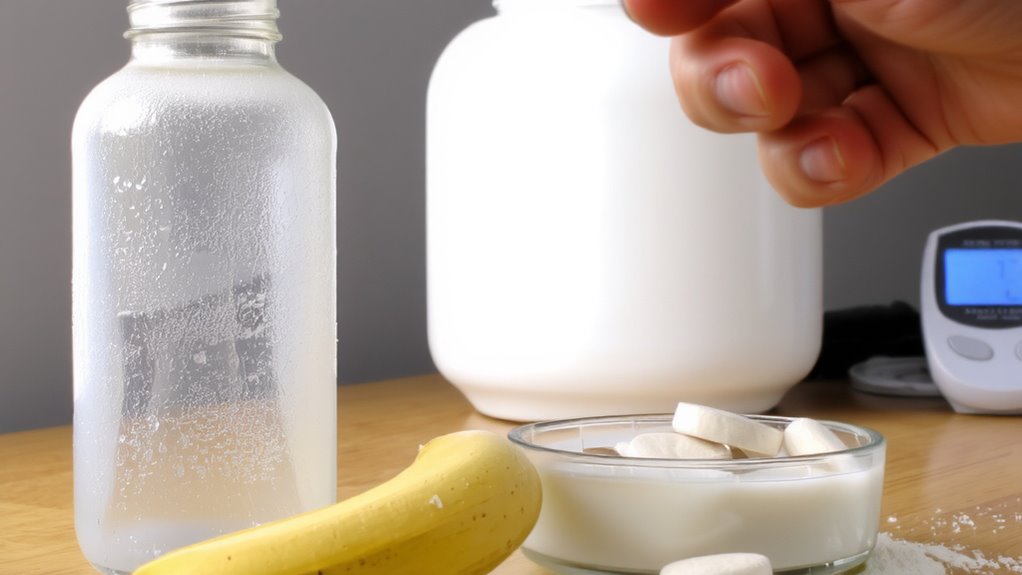
Calcium plays a quiet but influential role in how your body manages hormone activity after exercise, stepping in when cortisol and insulin levels need fine-tuning. You rely on calcium signaling to help cells respond to hormonal shifts, especially during recovery, where imbalances can slow repair and adaptation. This mineral doesn’t act alone-it supports hormonal synergy by ensuring key messengers like insulin and growth factors interact efficiently. Without adequate calcium, signaling pathways may weaken, possibly disrupting glucose uptake and muscle regeneration. While recovery gear like compression wear or foam rollers addresses physical strain, they can’t influence internal chemistry like calcium does. Your post-workout strategy should consider this mineral as foundational-not flashy, but essential. It quietly maintains endocrine rhythm, allowing your body to rebound stronger. Calcium’s role isn’t about immediate results; it’s about sustaining balance so recovery happens as it should-smoothly, systematically, effectively.
What the Research Says About Calcium and Recovery
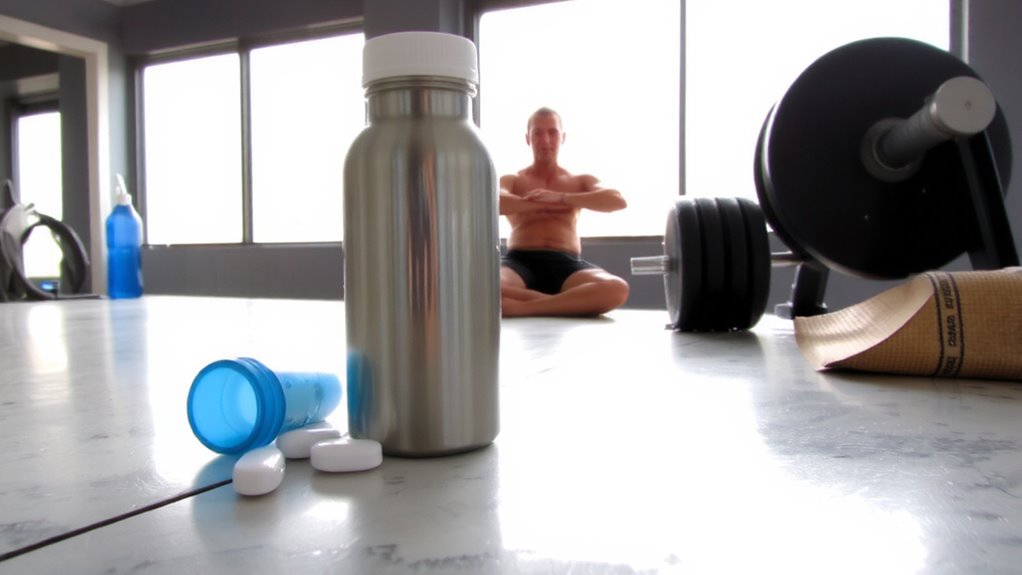
How well is your recovery stack really supporting your body’s needs after hard training? Research increasingly ties calcium to effective post-exercise recovery, especially through its role in hormonal signaling. After intense workouts, your body relies on calcium to regulate cortisol and support parathyroid activity, helping restore equilibrium. Studies show adequate calcium levels improve muscle recovery and reduce soreness, but only if calcium bioavailability is high-meaning your body can actually absorb and use it. Forms like calcium citrate outperform carbonate in this regard, especially on an empty stomach. While many recovery supplements focus on protein or electrolytes, overlooking calcium may hinder hormonal balance. You’re not just rebuilding muscle-you’re recalibrating systems. So, if your post-workout protocol skips calcium, you might be missing a key piece in the recovery puzzle. Prioritize bioavailable forms to guarantee your efforts aren’t undercut by poor absorption.
Best Calcium Sources and Timing After Workouts
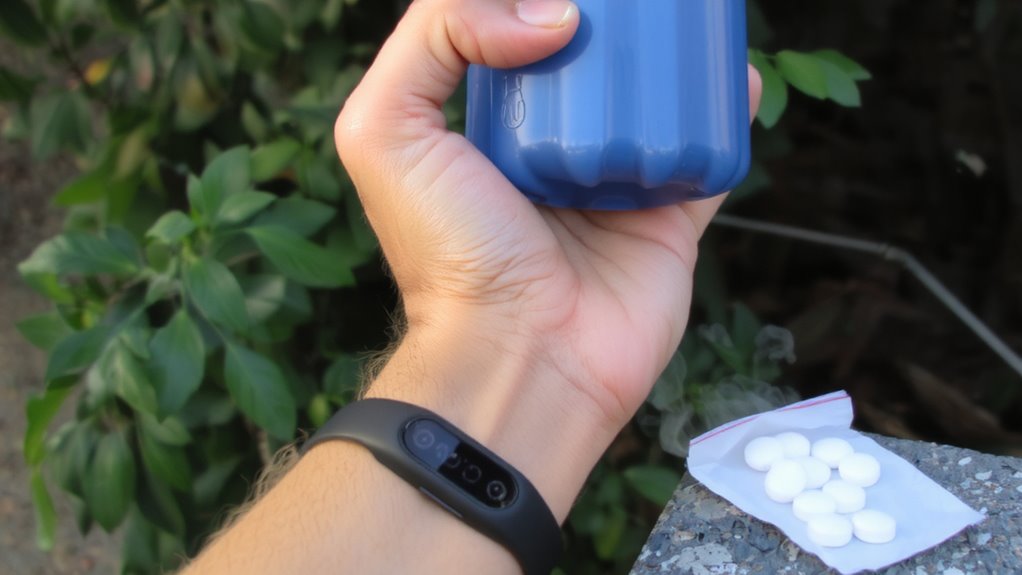
You’ve likely fine-tuned your post-workout routine to include protein shakes, BCAAs, or electroly游戏副本 mixes, but if you’re not pairing those with smart calcium choices, you’re leaving a gap in hormonal recovery and muscle repair. Calcium absorption peaks when consumed within 45 minutes post-exercise, especially alongside vitamin D and magnesium. Best supplementation strategies include timed intake and pairing with food-based sources for sustained release. Dairy, fortified plant milks, and leafy greens offer natural calcium, while supplements provide precision in dosing.
| Source | Calcium (mg per serving) | Absorption Efficiency |
|---|---|---|
| Yogurt | 300 | High |
| Collard Greens | 260 | Moderate |
| Calcium Citrate | 500 | High |
Choose forms like calcium citrate for better absorption, especially on an empty stomach. Timing and source quality directly impact recovery effectiveness.
Who Should Use Calcium for Faster Recovery
If you’re someone who regularly pushes through intense training sessions or engages in endurance sports, your body’s demand for efficient recovery tools goes beyond just protein and hydration-calcium plays a critical behind-the-scenes role in restoring hormonal equilibrium and neuromuscular function after exercise. You’re likely to benefit from supplementation if your diet lacks dairy or fortified foods, especially when supporting muscle repair during heavy training cycles. Calcium’s effectiveness increases with nutrient synergy-pairing it with vitamin D and magnesium enhances absorption and bone metabolism. Athletes, older adults, and those prone to stress fractures should consider it to maintain skeletal resilience. While fitness recovery gear supports circulation, calcium addresses internal imbalances that gear alone can’t fix. It’s not a standalone solution, but integrated properly, it complements recovery protocols by stabilizing hormone fluctuations and reinforcing structural integrity post-exertion.
On a final note
You’ll find calcium plays a key role in helping your body restore hormonal balance after intense exercise. Research suggests it aids in regulating cortisol and supporting parathyroid function post-workout. When paired with vitamin D, calcium absorption improves, boosting recovery efficiency. While found in dairy and greens, supplements may help those with low intake. For fitness recovery, consistent timing-ideally within 30–60 minutes post-exercise-matters most. It’s a practical, science-backed addition to your recovery gear.