Leveraging Tissue Remodeling Processes to Enhance Muscle Strength and Endurance Over Time
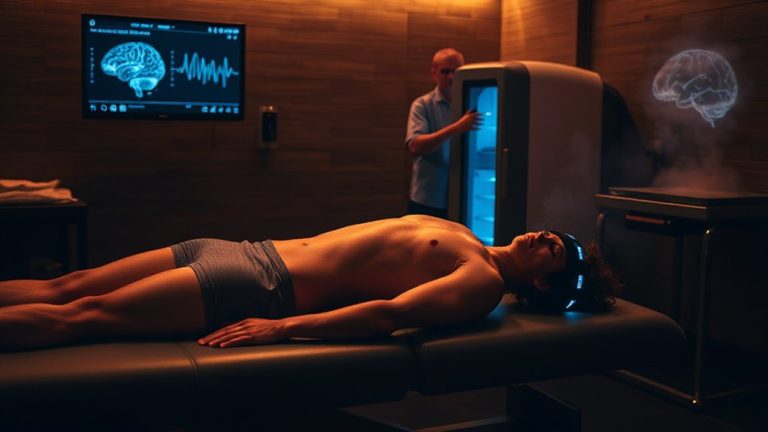
You get stronger not during workouts but in the recovery phase, where tissue remodeling repairs microtears and builds more resilient fibers. Progressive overload, with controlled 5% increases, drives adaptation, while proper protein intake and sleep boost repair. Timing workouts to your circadian rhythm enhances performance and recovery. Recovery tools like foam rollers help manage soreness, but consistency in training and rest matters most. You’ll see how each factor amplifies the others with deeper insight.
Notable Insights
- Muscle strength improves through tissue remodeling triggered by microtears during exercise and subsequent repair.
- Progressive overload with controlled increases in intensity drives sustained muscle adaptation and fiber growth.
- Optimal recovery windows allow satellite cells to repair and strengthen muscle fibers effectively.
- Post-workout protein intake enhances muscle protein synthesis and supports efficient tissue remodeling.
- Training consistency aligned with circadian rhythms maximizes neuromuscular efficiency and long-term endurance gains.
Why Muscles Get Stronger After Workouts

While you might think lifting weights directly builds muscle, it’s actually the repair process afterward that makes you stronger. Your body responds to workout stress through muscle adaptation, gradually increasing fiber size and resilience when given proper recovery. This isn’t just about growth-neural efficiency improves too, meaning your brain and muscles communicate faster and more effectively over time. You’ll notice this as smoother, more coordinated lifts even before major size changes. Recovery tools like foam rollers or compression gear can support this phase by enhancing blood flow and reducing soreness, though their impact varies by individual. High-end recovery wear may offer marginal benefits, but consistency in training and rest matters far more. Ultimately, strength gains rely less on gadgets and more on letting your body adapt intelligently. The real work happens after you leave the gym-repair, refine, repeat.
How Small Muscle Tears Lead to Bigger Gains

Feel the burn during a tough set? That sensation often means you’re creating microtears in your muscle fibers-tiny damage from mechanical stress. Don’t worry, it’s not bad; it’s the starting point for real growth. These microtears trigger inflammation, your body’s natural alarm system. In response, satellite cell activation kicks in, sending specialized cells to repair and rebuild the tissue. Over time, these repairs make your muscles stronger and more resilient. Recovery isn’t just downtime-it’s when adaptation happens. Quality fitness gear, like supportive clothing and proper recovery tools, helps manage inflammation and maintain mobility during this phase. If you skip recovery or use ineffective equipment, you’re undermining your gains. Thoughtful gear complements biology by promoting circulation and reducing excessive soreness, letting satellite cells do their job efficiently. So when you train hard, back it up with smart recovery-your muscles depend on it. Top-rated recovery tools can significantly improve tissue remodeling and reduce downtime between workouts.
Use Progressive Overload the Right Way

You’ve got the recovery process down-your gear supports circulation, reduces soreness, and gives satellite cells the environment they need to repair microtears effectively. Now, it’s time to stress those rebuilt fibers the right way. Progressive overload isn’t just lifting heavier; it’s strategic. You need workout consistency, gradually increasing weight, reps, or intensity every 1–2 weeks to keep adaptations going. But pushing harder only works if you maintain proper form-otherwise, you risk injury and inefficient muscle recruitment. Think quality over ego: a 5% increase with control beats a reckless 15%. Your recovery tools mean nothing if training isn’t structured. Track your lifts, stick to a plan, and let your body adapt progressively. This balance-smart escalation paired with proper form and workout consistency-turns tissue remodeling into real strength and endurance gains over time.
When to Train for Best Results
When should you actually hit the gym for the best strength and endurance outcomes-morning, afternoon, or night? Research suggests the ideal timing often falls in the late afternoon to early evening, when body temperature and neuromuscular efficiency peak. You’ll likely lift heavier and sustain effort longer, enhancing tissue remodeling through consistent progressive overload. Still, individual circadian rhythms matter-some perform just as well in the morning. What’s essential is aligning training sessions with your personal recovery windows. Training too soon after a prior session can impair muscle repair, especially without proper sleep or nutrition. Strategic scheduling lets you maximize adaptation while minimizing overtraining risks. Whether you train at dawn or dusk, consistency and alignment with natural energy cycles are key. There’s no universal best time-only what best supports your recovery and performance over time.
Eat This to Repair Muscle Faster
What if the key to faster muscle recovery wasn’t just in how hard you train, but in what you eat afterward? You’re likely already familiar with protein’s role in rebuilding muscle fibers, but protein timing matters-consuming 20–30 grams within 30 to 60 minutes post-exercise boosts synthesis markedly. This narrow window maximizes your body’s ability to repair microtears from resistance training. Pair that with smart antioxidant intake from foods like berries, spinach, and nuts, which reduce oxidative stress and inflammation, helping you recover without blunting training adaptations. While supplements can help, whole foods offer a broader spectrum of nutrients critical for tissue remodeling. Don’t rely solely on recovery gear like compression tools or foam rollers-what you eat works from the inside out. A balanced recovery strategy combines nutrition, timing, and consistency for long-term strength and endurance gains.
How Sleep and Stress Affect Muscle Recovery
While nutrition plays a critical role in muscle recovery, it’s just one part of the equation-sleep and stress management are equally essential in determining how well your muscles repair and adapt. Poor sleep quality disrupts hormonal balance, reducing growth hormone release and impairing tissue remodeling, which slows recovery. Aim for 7–9 hours nightly to support ideal repair. High stress levels elevate cortisol, a catabolic hormone that breaks down muscle and inhibits protein synthesis, counteracting your training gains. Chronic stress also shortens recovery windows and increases injury risk. Managing stress through mindfulness, recovery-focused gear like percussion massagers, or heart rate variability tracking can improve physiological resilience. These tools don’t replace sleep, but they complement it by promoting parasympathetic activity. You’ll see better long-term strength and endurance when you prioritize both sleep quality and stress levels-consistently. Recovery isn’t passive; it’s a trainable skill backed by physiology. Incorporating a high-quality massage gun can enhance tissue remodeling by improving blood flow and reducing muscle tension between workouts.
On a final note
You’ve learned that muscle growth hinges on smart recovery, not just hard work. Tissue remodeling turns micro-tears into stronger fibers, but only with proper nutrition, sleep, and progressive overload. Overtraining undermines gains, while consistent, timed workouts boost endurance. Quality fitness gear supports form and reduces injury risk, enhancing long-term performance. Recovery isn’t passive-it’s strategic. Prioritize it, and your muscles will adapt, grow, and perform at their peak.