Utilizing Acupressure Techniques to Enhance Recovery Physiology and Reduce Discomfort
You can enhance recovery and reduce discomfort by applying steady pressure to key acupoints like LI4, ST36, and BL60, which stimulate circulation and modulate cortisol. These techniques require no gear, relying instead on touch to trigger physiological responses. Proper timing-1 to 3 minutes per point-ensures effectiveness without strain. When done consistently, acupressure supports muscle relaxation, joint health, and nervous system balance. Evidence backs its role in speeding recovery, and there’s more to discover about integrating it into your routine.
Notable Insights
- Apply steady pressure to acupressure points like LI4 and ST36 to improve circulation and accelerate recovery.
- Stimulate GB34 and BL60 to reduce inflammation and support joint and systemic recovery.
- Use 1–3 minutes of moderate pressure on points to activate parasympathetic response and ease discomfort.
- Target BL-12 and SP-6 to release muscle tension and enhance blood flow for natural recovery.
- Integrate daily sessions on points like GV20 and Spirit Gate to reduce stress and improve sleep quality.
What Is Acupressure and How It Speeds Recovery
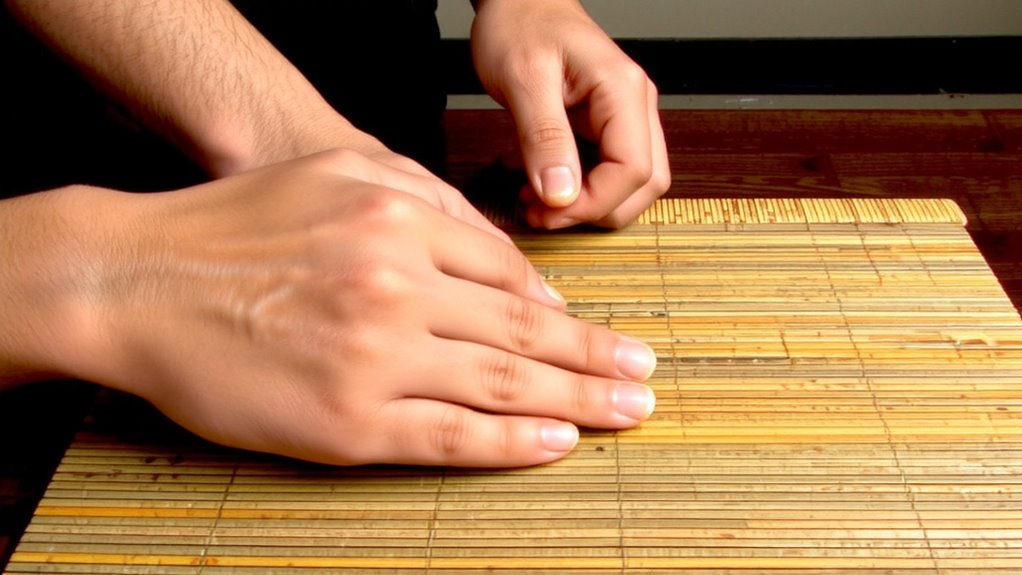
What if the key to faster recovery wasn’t found in high-tech gear but in a centuries-old practice using nothing more than your own hands? Acupressure does exactly that-applying steady pressure to specific body points to boost circulation and trigger nerve stimulation. You’re not just relaxing; you’re signaling your nervous system to support healing. Unlike recovery gadgets that require charging or expensive mats, acupressure relies on precision and timing. It works by restoring energy balance, a concept rooted in traditional Chinese medicine, where blocked energy slows recovery. Modern studies suggest this stimulation reduces muscle fatigue and lowers cortisol. You can use it anywhere, anytime, without straps or apps. While fitness gear offers measurable feedback, acupressure provides a drug-free, equipment-free alternative with subtle but consistent results-especially when recovery hinges on regulation, not just rest.
Use These 5 Acupressure Points for Pain and Inflammation
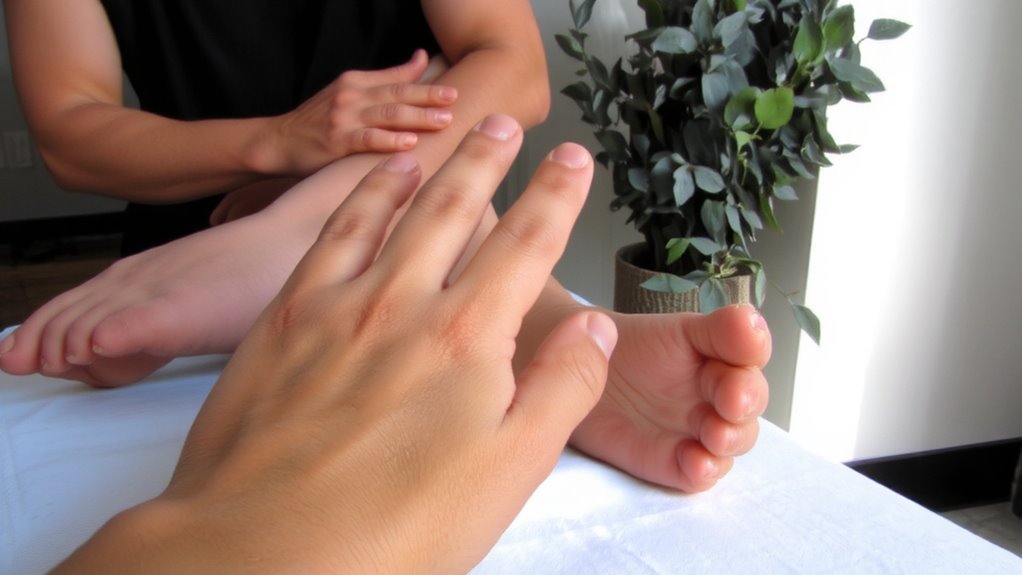
Five key acupressure points have consistently shown promise in reducing pain and calming inflammation, offering a practical edge when recovery feels just out of reach. You can target LI4 (Hegu), found between the thumb and index finger, to ease headaches and facial pain through meridian activation. GB34, near the knee, supports joint health and aids in reducing leg inflammation. ST36, below the kneecap, enhances energy balance and combats fatigue. UB15, beside the spine at shoulder level, helps relieve upper back tension, while BL60, in the ankle hollow, promotes systemic recovery. Applying pressure to these points stimulates pathways linked to anti-inflammatory responses and nervous system regulation. Though not a substitute for clinical care, these points offer a complementary approach backed by observed physiological benefits. You don’t need special gear-just precise location and consistent technique-to integrate them effectively into recovery routines.
How to Press Acupoints: Timing, Depth, and Safety
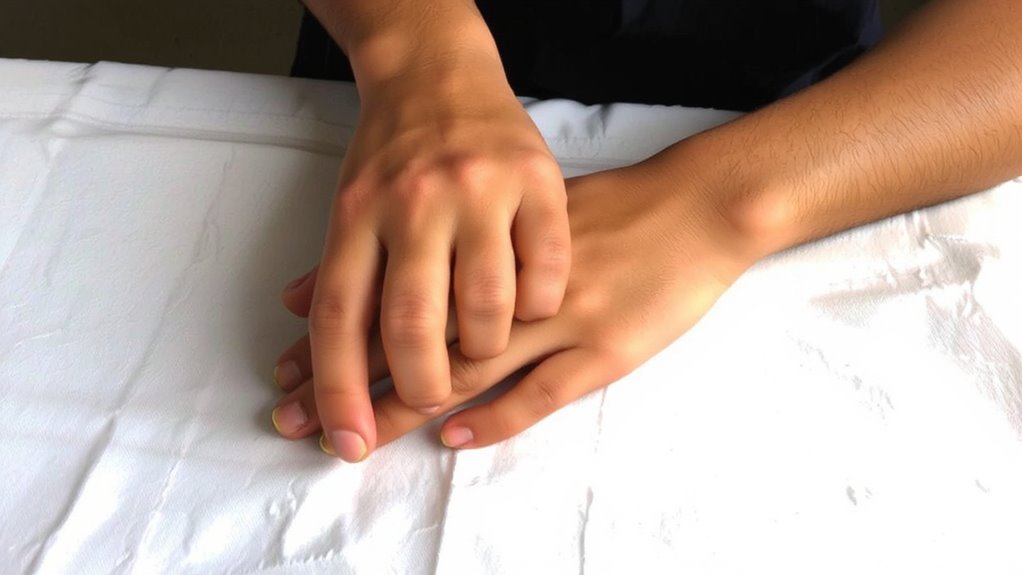
How long should you press an acupoint to feel its full effect-just a few seconds or several minutes? Most research suggests 1 to 3 minutes per point for best response, with timing precision being essential to stimulate physiological changes without overloading tissues. You’ll want to apply steady, moderate pressure-enough to feel a dull ache or warmth, but never pain. This guarantees pressure safety and prevents bruising or nerve irritation. Use your fingers, a massage tool, or an acupressure mat, adjusting depth based on location and sensitivity. Avoid excessive force, especially near bones or inflamed areas. Consistency matters more than intensity; regular, accurate sessions yield better recovery outcomes than aggressive, sporadic ones. Practicing mindful timing and respecting your body’s feedback enhances effectiveness. With proper technique, acupressure becomes a reliable, non-invasive tool to support recovery-no high-end fitness gear required, just informed, deliberate application.
Loosen Muscles and Boost Blood Flow Naturally
While your body naturally repairs itself, applying acupressure can accelerate muscle relaxation and circulation without relying on expensive recovery gear. Targeted pressure on key acupoints stimulates nerve pathways, promoting natural circulation enhancement and reducing tension. Unlike electronic massagers or compression devices, acupressure requires no power, offers immediate feedback, and adapts to your body’s needs. For those seeking supplementary tools, best massage therapy equipment can enhance self-care routines when used alongside traditional techniques.
| Acupoint | Benefit |
|---|---|
| BL-12 (Fengmen) | Encourages circulation enhancement and releases upper back tension |
| GB-34 (Yanglingquan) | Supports muscle relaxation in legs and improves joint mobility |
| SP-6 (Sanyinjiao) | Enhances blood flow to lower limbs and aids overall recovery balance |
These points, when pressed firmly for 30–60 seconds, activate parasympathetic response, easing tightness. You don’t need advanced fitness gear-just fingers and awareness. Acupressure proves effective, low-cost, and practical for daily use, making it a credible alternative to high-tech recovery tools.
Acupressure for Faster Post-Workout Recovery
When you’re trying to bounce back after an intense workout, acupressure offers a drug-free, equipment-free way to speed up recovery that’s both effective and easy to integrate into your routine. Applying steady pressure to specific points-like the fleshy area between your thumb and index finger or along the calf muscles-can reduce muscle soreness by promoting circulation and easing tension. Many athletes report feeling less workout fatigue within minutes of starting acupressure, likely due to enhanced blood flow and nervous system modulation. Unlike recovery gear such as compression boots or massage guns, acupressure doesn’t require charging, setup, or expense. While tools have their benefits, acupressure provides immediate, accessible relief you can use anywhere. With consistent use, you’re likely to notice improved recovery times and reduced soreness, making it a practical addition to your post-workout plan. For those who prefer tools, incorporating best recovery bands can further enhance muscle relief by combining targeted pressure with physical support.
Use Acupressure to Sleep Better and Reduce Stress
Ever wonder why you still feel wound up at bedtime despite cutting out caffeine and scrolling less? Poor sleep quality often stems from unresolved stress buildup, not just lifestyle habits. Acupressure offers a natural path to deeper rest and reliable stress relief by stimulating specific points linked to the parasympathetic nervous system. Applying steady pressure to areas like the “Spirit Gate” on the wrist or the “Third Eye” between the brows helps calm neural activity, easing your body into rest mode. Studies suggest regular use improves sleep onset and duration without side effects. Unlike wearable recovery gadgets that require charging or preset programs, acupressure relies on touch-immediate, intuitive, and effective when applied correctly. It doesn’t replace quality sleep hygiene, but it complements it by targeting physiological stress markers directly. For those skeptical of expensive firness gear promising relaxation, acupressure provides an evidence-backed, low-cost alternative rooted in functional anatomy.
Build a Daily Acupressure Routine for Healing
How do you guarantee your body recovers effectively without relying solely on high-tech recovery tools? You build a daily acupressure routine that supports natural healing. Start with a consistent morning routine: apply firm, circular pressure to key points like Large Intestine 4 (between thumb and index finger) and Governor Vessel 20 (at the base of the skull). This stimulates circulation and promotes energy balance, priming your body for the day. Include Kidney 1 (on the sole of the foot) to ground your system and reduce fatigue. Daily application-just 5 to 10 minutes-enhances parasympathetic response, aiding muscle recovery and inflammation control. Unlike recovery gear that depends on batteries or precise calibration, acupressure offers reliable, portable therapy. It’s low-cost, requires no setup, and integrates smoothly into lifestyle habits. When performed consistently, it proves as impactful as many fitness recovery tools-without the bulk, expense, or maintenance.
On a final note
You’ve seen how acupressure taps into recovery physiology by easing discomfort and improving circulation. When used alongside quality fitness gear-like supportive mats or precision-designed rollers-it enhances healing without dependency on devices. Evidence supports its role in reducing inflammation and muscle fatigue, especially post-workout. Done correctly, with consistent timing and moderate pressure, it’s a practical, accessible tool. You’ll likely find it boosts sleep and lowers stress, making it a smart, science-backed addition to daily recovery routines.