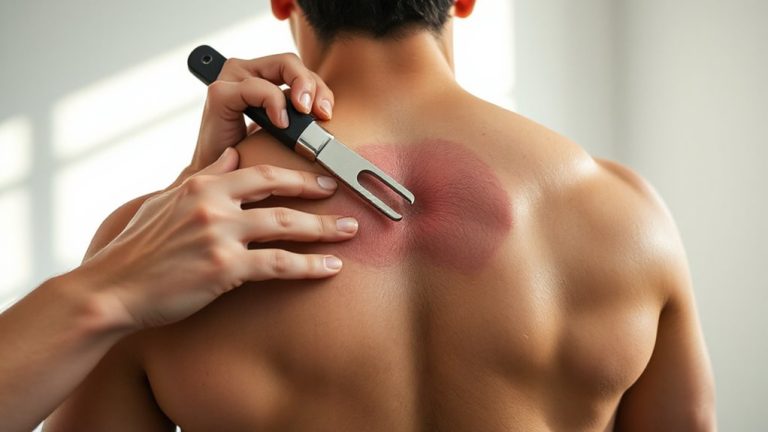
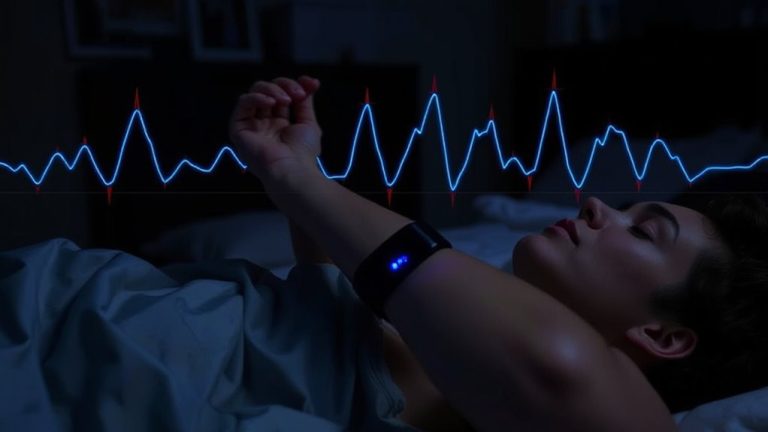
Utilizing Electroacupuncture to Enhance Recovery Physiology and Reduce Delayed Onset Muscle Soreness
You’re using electroacupuncture to target DOMS at its source, not just mask soreness. By sending low-frequency currents through acupuncture needles, you trigger endorphin release and calm overactive pain nerves. It boosts circulation where you need it, flushing waste and speeding nutrient delivery to strained muscles. Compared to ice or rest, it actively supports recovery physiology. Studies show athletes regain strength faster with regular sessions-especially post-workout or on rest days. There’s more to how timing and frequency fine-tune results.
Notable Insights
- Electroacupuncture reduces DOMS by stimulating endorphin release, decreasing pain perception through neural modulation.
- It enhances muscle recovery by improving microcirculation, delivering oxygen, and clearing metabolic waste efficiently.
- Low-frequency electrical stimulation blocks pain signals via A-delta and C fiber modulation.
- Electroacupuncture accelerates healing by reducing inflammation and promoting neuromuscular re-education.
- Clinical evidence supports faster strength restoration and improved recovery when used post-workout or on rest days.
Why You Get Sore After Workouts (DOMS Explained)
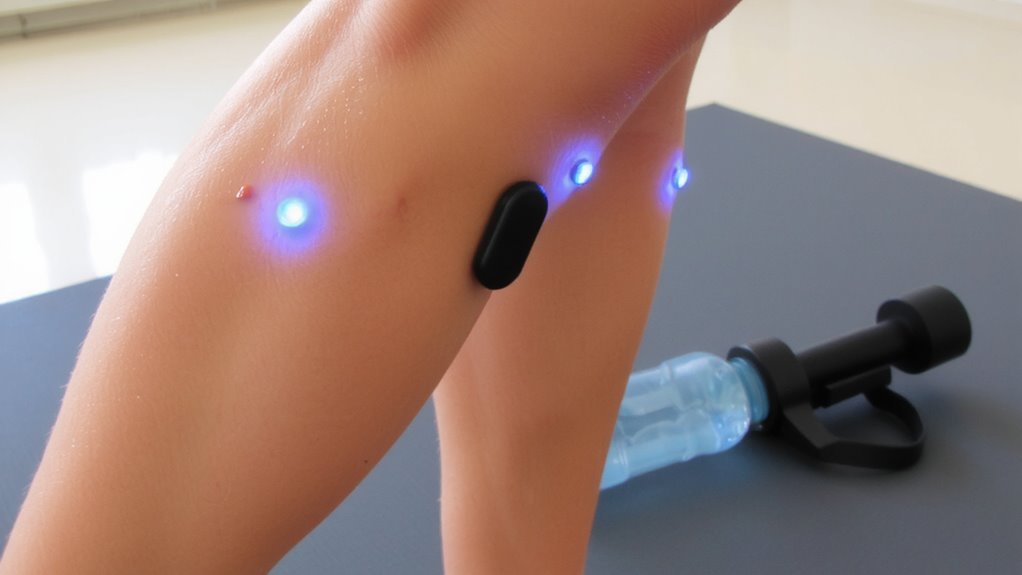
Why do you feel that stiff, achy sensation in your muscles a day or two after a tough workout? That’s delayed onset muscle soreness (DOMS), a common result of intense or unfamiliar exercise. When you push your limits, you cause microscopic tears in muscle fibers, triggering inflammation and discomfort. This ties directly to muscle fatigue, which impairs performance and recovery. As your muscles work, they accumulate metabolic waste like lactic acid and inorganic phosphate, contributing to that heavy, tired feeling. While DOMS isn’t dangerous, it can hinder consistent training-a key concern for fitness recovery. Modern fitness gear, like compression wear and recovery boots, helps manage these symptoms by improving circulation and flushing out waste products. Still, they don’t fully address the neuromuscular root. Effective recovery demands more than gadgets; it requires understanding the body’s physiological limits and supporting them with evidence-based methods.
What Electroacupuncture Is and How It Works
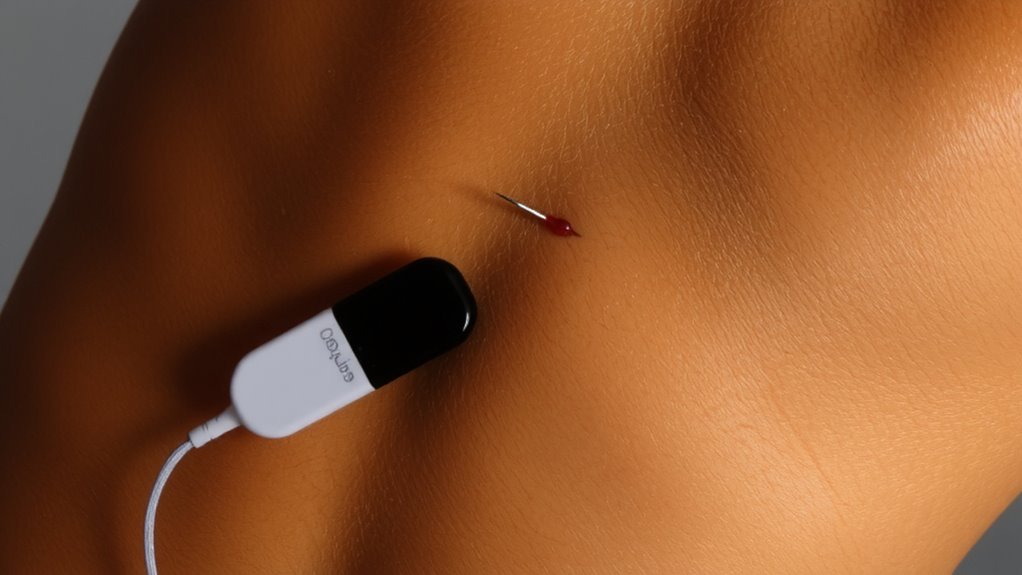
Electroacupuncture blends traditional needle placement with modern technology, delivering mild electrical pulses through acupuncture points to target muscle recovery more precisely. You’re using controlled nerve stimulation to activate muscle and connective tissue, which helps modulate physiological responses linked to fatigue and repair. The low-level current enhances signal transmission along neural pathways, promoting circulation and neuromuscular re-education. Unlike passive recovery tools, this method engages the body’s intrinsic systems with measurable precision. Electroacupuncture safety is well-documented when administered by trained practitioners, with minimal risk of adverse effects. Devices used in clinical settings offer adjustable frequency and intensity, allowing customization based on your recovery needs. While it may seem high-tech, the principle remains rooted in physiological response-not gadget hype. It’s not a quick fix, but rather a targeted recovery strategy that fits within evidence-based practice, especially for athletes seeking efficient, non-pharmacological support.
How Electroacupuncture Reduces Pain and Inflammation
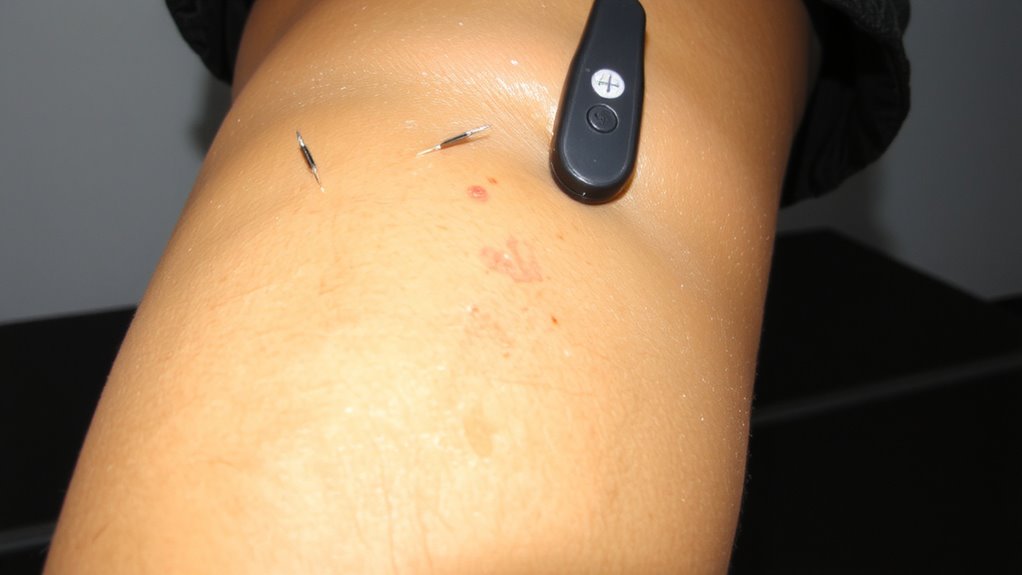
Pain and inflammation are common barriers to efficient recovery, but electroacupuncture tackles both through targeted neuromodulation. You experience immediate relief as the low-frequency currents stimulate endorphin release, your body’s natural painkillers, which bind to opioid receptors and dampen pain perception. This isn’t just placebo-studies show measurable increases in beta-endorphins post-treatment. Simultaneously, nerve modulation occurs: A-delta and C fibers are influenced to reduce transmission of pain signals to the spinal cord and brain. The dual action calms hypersensitive nerves and disrupts inflammatory feedback loops. Devices used in clinical settings deliver precise, adjustable frequencies (typically 2–10 Hz), ensuring consistent stimulation. Unlike passive recovery tools, electroacupuncture actively engages your neurochemical system. It’s more effective than standard massage or foam rolling for persistent soreness, offering a science-backed edge in fitness recovery when integrated properly into training regimens.
How It Speeds Muscle Recovery With Blood Flow
While your muscles are repairing after intense training, electroacupuncture enhances recovery by boosting localized blood flow more effectively than passive rest or basic stretching. You’re getting targeted microcirculation enhancement right where it’s needed, which means oxygen and essential nutrients arrive faster to damaged tissues. This improved nutrient delivery supports cellular repair and clears metabolic waste more efficiently. The electrical stimulation from the needles activates neuromuscular pathways, prompting vasodilation in capillary beds. You’ll notice reduced downtime and smoother progression between workouts. Unlike passive recovery methods, this approach actively optimizes the body’s repair environment. Practitioners observe quicker resolution of stiffness and improved tissue resilience in athletes using electroacupuncture. It’s not just about symptom relief-it’s about refining recovery physiology. When you’re training hard, supporting your body with precise, science-backed interventions like electroacupuncture can make a measurable difference in readiness and performance.
Electroacupuncture vs. Ice, Rest, and Massage
How do your current recovery habits stack up when it comes to real physiological repair? Ice may dull soreness, but it doesn’t boost circulation or support tissue healing like electroacupuncture does. Rest helps, but passive recovery lacks active support for nerve stimulation. Massage offers muscle relaxation and improves blood flow, yet its effects are often short-lived. Electroacupuncture, by contrast, uses targeted electrical pulses to enhance nerve stimulation, promoting deeper, more sustained muscle relaxation. It doesn’t just ease symptoms-it helps regulate the nervous system and encourages the body’s natural repair processes. Unlike cold therapy that can restrict blood flow or rest that delays activation, electroacupuncture actively engages muscles at a neurological level. While massage feels good, it can’t match the precise neuromodulation of electroacupuncture. For recovery that goes beyond surface-level relief, you’re not just treating soreness-you’re optimizing how your body heals.
What Studies Show for Athletes’ Recovery
When it comes to speeding up recovery after intense training, the real test lies in what the research says - and electroacupuncture is showing measurable advantages for athletes. You’ll find that studies consistently link it to reduced muscle fatigue and faster restoration of strength. This isn’t just placebo; the nerve stimulation from low-frequency currents enhances blood flow and modulates pain signals. Clinical trials report athletes recovering functional performance up to 30% quicker than with passive rest. Unlike general recovery tools, electroacupuncture targets both neuromuscular disruption and inflammatory markers. You’re not just calming soreness - you’re actively resetting your recovery physiology. While gear like compression units or massage guns offer surface-level relief, electroacupuncture works deeper, addressing the root causes of impaired performance. The evidence supports its role as a precise, physiologically grounded tool. For serious athletes, that kind of targeted recovery isn’t just helpful - it’s transformative.
How to Add Electroacupuncture to Your Routine
You’ve seen the results in the data-faster strength recovery, lower inflammation, and improved neuromuscular function-but turning those benefits into a regular part of your regimen means knowing where electroacupuncture fits in your existing routine. Most athletes respond best with a treatment frequency of 2–3 sessions weekly, especially after intense training or on recovery days. Your device settings should stay between 2–10 Hz for muscle regeneration, adjusting intensity just below the pain threshold. Use pre-programmed recovery modes if available to simplify session setup.
| Timing | Purpose |
|---|---|
| Post-workout (within 2 hrs) | Reduces acute inflammation |
| Before sleep | Enhances parasympathetic activity |
| On rest days | Supports cellular repair |
| Pre-training (low intensity) | Activates neuromuscular pathways |
Consistency and accurate device settings are key-invest in a quality unit with adjustable frequency and reliable electrode adhesion for long-term use.
On a final note
You’ll find electroacupuncture effective for cutting DOMS and speeding recovery. It boosts blood flow, reduces inflammation, and modulates pain-backed by studies on athletes. Compared to ice or rest, it actively enhances recovery physiology. While not a replacement for proper training gear or sleep, it’s a smart addition. Devices are portable, easy to use, and low-risk when applied correctly. For serious fitness routines, electroacupuncture offers measurable benefits worth considering.