Strategies for Accelerating Adaptation and Supercompensation Processes Using Contrast Training Methods
You speed up adaptation and supercompensation by pairing heavy strength lifts with explosive, biomechanically similar movements-like back squats followed by jump squats. This leverages post-activation potentiation to boost neural output and power. Keep rest between 30–90 seconds and limit sessions to 2–3 times weekly for ideal CNS recovery. Match pairings to your sport’s demands and avoid random combos that reduce specificity. Proper sequencing and recovery tracking sharpen results-there’s more to mastering this than just effort.
Notable Insights
- Pair heavy strength and explosive movements with matching biomechanics to maximize post-activation potentiation.
- Rest 30–90 seconds between contrast exercises to optimize neural priming and power output.
- Limit contrast training to 2–3 sessions per week to allow sufficient CNS recovery.
- Ensure 48–72 hours between intense sessions to facilitate supercompensation and reduce injury risk.
- Monitor fatigue using HRV or sleep data to time workouts during peak recovery windows.
What Is Contrast Training?
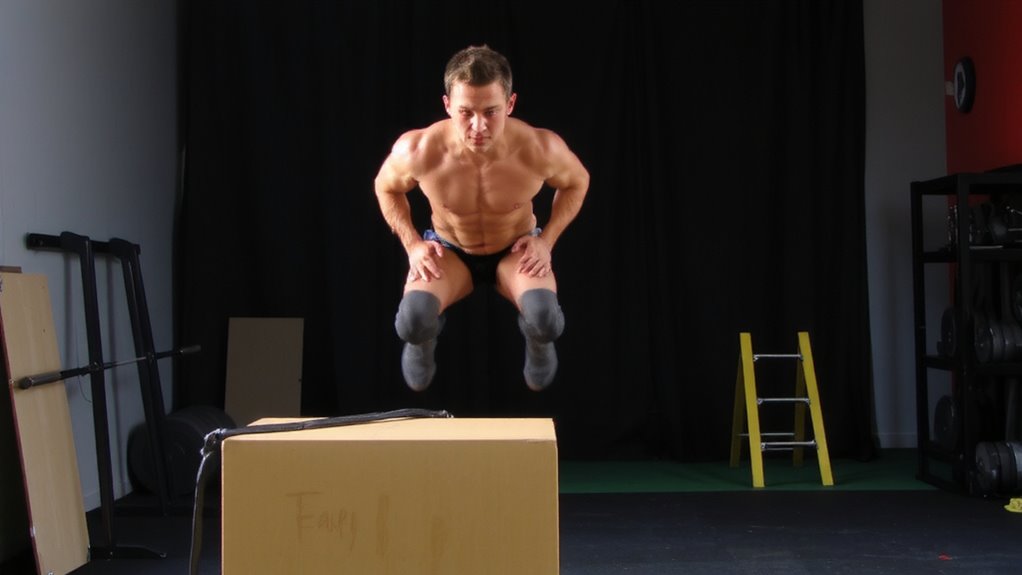
Think of contrast training as a bridge between strength and power-two sides of fitness that don’t always talk but absolutely should. At its definition basics, training contrast involves pairing a heavy strength exercise with a rapid, explosive movement of similar mechanics-like a back squat followed by a jump squat. You’re not just building muscle; you’re teaching it to fire faster and more efficiently. This method taps into post-activation potentiation, priming the nervous system for peak output. Training contrast isn’t flashy gear or recovery gadgets-it’s science-backed strategy. While compression wear or massage guns may aid recovery, they don’t replace the physiological adaptation this technique drives. It’s practical, time-efficient, and effective across sports. Used correctly, contrast training enhances both force production and speed, turning raw strength into usable power-without needing high-tech fitness gear to see results.
Build Power With Contrast Sets
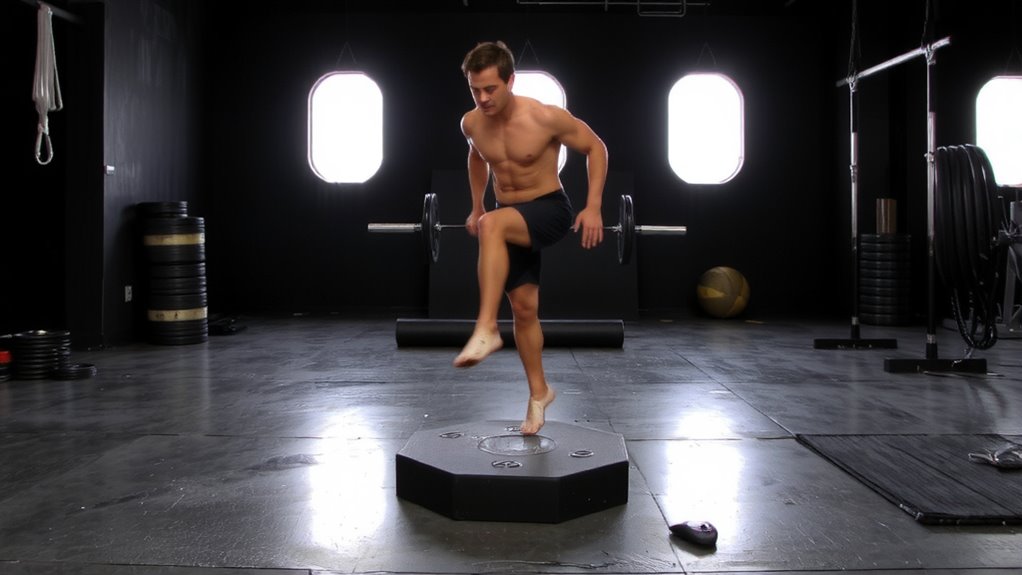
A well-designed contrast set can transform raw strength into explosive power by leveraging the neuromuscular benefits of post-activation potentiation. You pair a heavy strength movement with a lighter, high-velocity exercise-this primes your nervous system for greater output during the explosive strength movement. Since the heavy load activates high-threshold motor units, your subsequent jump, throw, or sprint becomes more forceful and efficient. But timing matters: too short a rest increases neural fatigue, too long and you lose potentiation. You’ll want 30–90 seconds between exercises for peak results. Keep volume moderate-3–5 sets-to avoid excessive fatigue while still stimulating adaptation. Contrast sets demand focus and quality execution, so using stable, reliable fitness gear like shock-absorbing plyo boxes or calibrated sleds guarantees consistent performance. When applied smartly, they accelerate power gains without overtaxing recovery. For optimal performance, consider using one of the top-rated plyo boxes for your workout that provide durability and shock absorption.
Pair Exercises by Movement Pattern
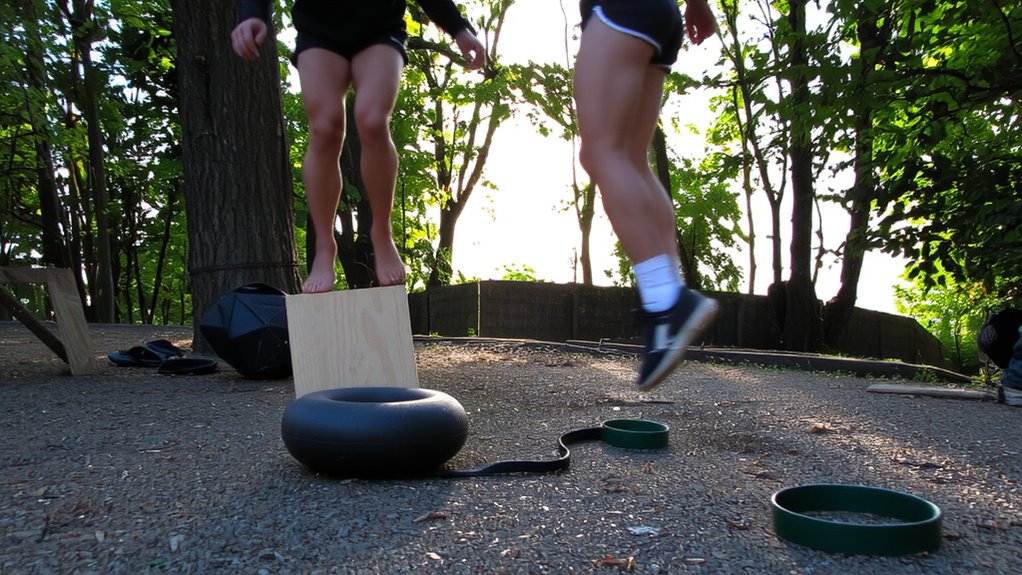
You’ve already seen how pairing heavy and explosive moves in contrast sets boosts power through neuromuscular tuning, but just as important is making certain those paired exercises actually match in movement intent. Effective exercise pairing hinges on movement synergy-selecting lifts that mimic the same kinetic chain and joint actions. For example, pairing back squats with vertical jumps creates seamless transfer because both rely on triple extension. When movements align, post-activation potentiation works better, leading to sharper neural output and improved performance. Randomly combining lifts-like deadlifts and medicine ball slams-might feel intense, but they lack movement synergy, reducing training efficiency. Thoughtful pairing makes certain you’re not just working harder, but smarter. Your recovery also improves since neuromuscular fatigue is more targeted and manageable. So prioritize movement pattern alignment: it enhances specificity, accelerates adaptation, and supports long-term progress far more than volume alone ever could.
Program Volume and Rest Wisely
Most lifters underestimate how much volume and rest directly shape recovery and adaptation, but getting them right can mean the difference between steady progress and stalled gains. You need to balance exercise frequency with adequate recovery timing to let supercompensation occur. Too much volume without proper rest blunts hormonal response and increases injury risk, while too little won’t stimulate enough adaptation. Aim for 2–3 contrast sessions per week, allowing 48–72 hours between intense bouts for ideal recovery timing. This supports CNS reset and muscle repair. Your exercise frequency should match your training age and lifestyle stress. Monitor fatigue using heart rate variability or sleep quality-practical tools beat guesswork. Compression gear may enhance blood flow, but it’s no substitute for smart programming. Ultimately, volume and rest aren’t just variables-they’re foundational. Get them wrong, and even the best contrast pairings won’t deliver.
Match Pairings to Your Sport
While strength and power development are central to most training goals, the way you structure your contrast pairings should reflect the specific demands of your sport. You’re not just building raw output-you’re chasing sport specificity. A basketball player needs explosive vertical drives, so pairing heavy squats with jump squats makes sense. A sprinter benefits more from deadlifts followed by resisted sprints. This athletic alignment guarantees neuromuscular carryover. If your training doesn’t mirror movement patterns, energy systems, and force vectors of your sport, the returns diminish. It’s not enough to be strong or fast in isolation; you need transferable power. Contrast pairings work best when the resistance and explosive exercise are biomechanically congruent. That’s where real adaptation happens-when your training speaks the same language as your performance.
Avoid Common Contrast Training Mistakes
Matching your contrast pairings to your sport sets the foundation for effective training, but even well-aligned exercises can fall short if common errors go unchecked. You’re likely undermining your results if you overlook inadequate recovery between sets-this disrupts supercompensation and increases injury risk. Contrast training demands high neuromuscular output, so skimping on rest intervals or ignoring fatigue markers sabotages adaptation. Another frequent issue is improper sequencing-placing endurance work before explosive movements dulls power expression and reduces training specificity. Always start with the most neurologically demanding exercise, typically the plyometric or sprint-based component. Monitor recovery with heart rate or perceived exertion, and adjust volume accordingly. Using recovery tools like percussion devices or leg compression boots helps manage fatigue, but they’re no substitute for proper timing and order. Avoid these mistakes, and your contrast sessions will drive sharper, safer adaptations.
On a final note
You’re likely to see faster gains in power and recovery with contrast training when you pair complementary lifts and manage volume wisely. Proper gear-like stable shoes and supportive braces-helps maintain form under fatigue. Used correctly, contrast methods boost supercompensation; done poorly, they increase injury risk. Monitor intensity and rest, and choose pairings that mirror your sport’s demands. The right balance turns strain into strength.