Role of Acupuncture in Promoting Effective Muscle Tissue Repair and Growth
You’re already using foam rollers and compression gear, but acupuncture boosts muscle repair by enhancing blood flow and reducing inflammation where you need it most. It stimulates nerve activity and cellular healing at microtrauma sites, speeding up tissue recovery. By targeting key points like ST-36 and BL-23, it optimizes your body’s natural regeneration cycle. This science-backed approach complements your existing routine, offering measurable improvements in soreness and mobility-especially under heavy training loads. There’s more to how timing and point selection amplify results.
Notable Insights
- Acupuncture enhances blood flow to damaged muscles, accelerating tissue repair and nutrient delivery.
- It reduces inflammation by modulating cytokine activity, creating a favorable environment for muscle recovery.
- Needle stimulation activates nerve pathways that trigger natural healing and cellular regeneration processes.
- Targeting key points like ST-36 and BL-23 improves circulation and structural support for muscle growth.
- Regular sessions improve recovery efficiency, reducing soreness and supporting adaptation to training stress.
How Acupuncture Boosts Muscle Recovery
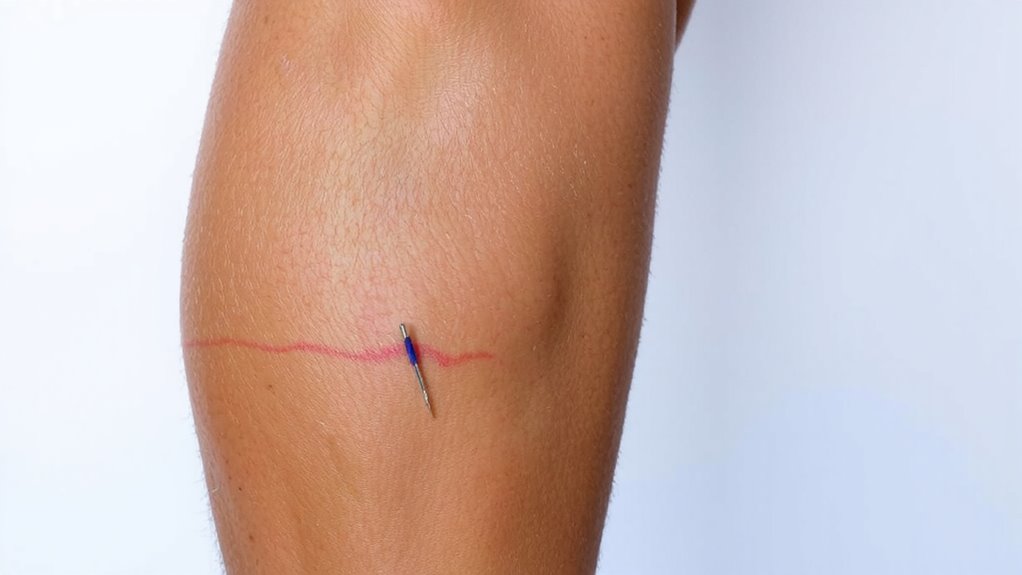
While you might think recovery hinges solely on rest and protein, acupuncture offers a science-backed boost by targeting the body’s natural healing pathways. You’re not just passively waiting for soreness to fade-this technique actively supports muscle regeneration by enhancing blood flow and reducing inflammation. Studies show that inserting fine needles at specific points stimulates cellular activation, prompting your body to accelerate tissue recovery. It’s not magic; it’s physiology. You’ll likely notice reduced downtime after intense workouts, letting you stick to your training schedule with fewer setbacks. Unlike recovery gear that merely compresses or heats, acupuncture works beneath the surface, coaxing your system into a more efficient repair mode. Though it won’t replace proper nutrition or sleep, it’s a smart complement-especially when you’re pushing limits. For serious fitness enthusiasts, integrating acupuncture can be a practical, evidence-supported upgrade to recovery protocols.
How Acupuncture Triggers Tissue Repair
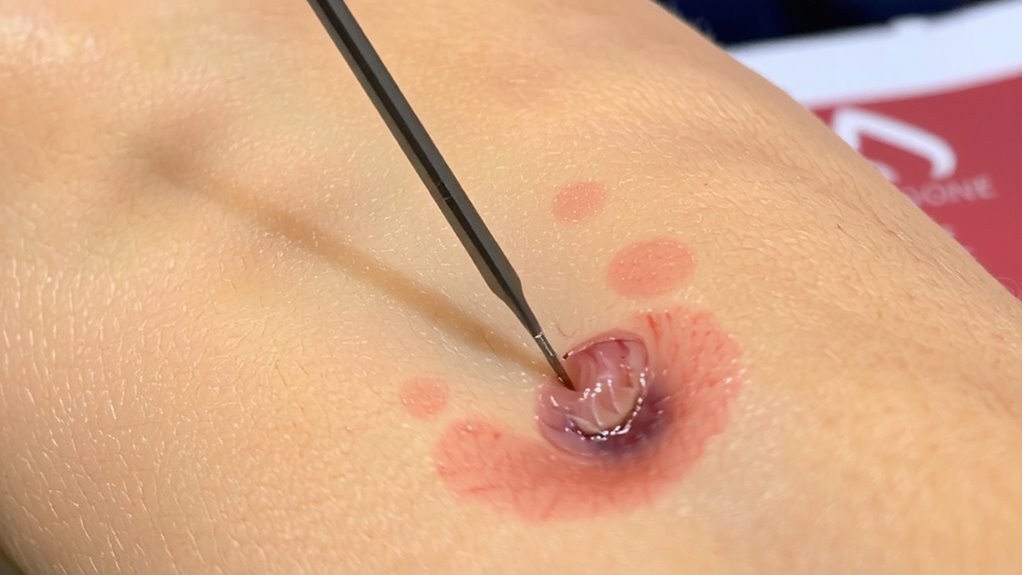
Because your muscles rely on efficient cellular communication and nutrient delivery to heal, acupuncture helps initiate tissue repair by stimulating key physiological responses at the site of microtrauma. Through precise needle placement, you trigger nerve stimulation, which signals your body to activate repair mechanisms. This isn’t just placebo-it’s biofeedback in action. The process promotes microcirculation enhancement, boosting blood flow precisely where it’s needed most. Better circulation means more oxygen, faster removal of metabolic waste, and improved nutrient delivery to damaged fibers. Think of it as internal tuning: your body’s recovery systems are already there, but acupuncture optimizes their timing and efficiency. Unlike fitness gear that only supports externally-foam rollers, compression sleeves-acupuncture works from within, influencing cellular behavior. It doesn’t replace physical tools but complements them, addressing the biological underpinnings of repair. When recovery stalls, this approach targets the root, not just symptoms.
Reducing Muscle Soreness and Inflammation Naturally
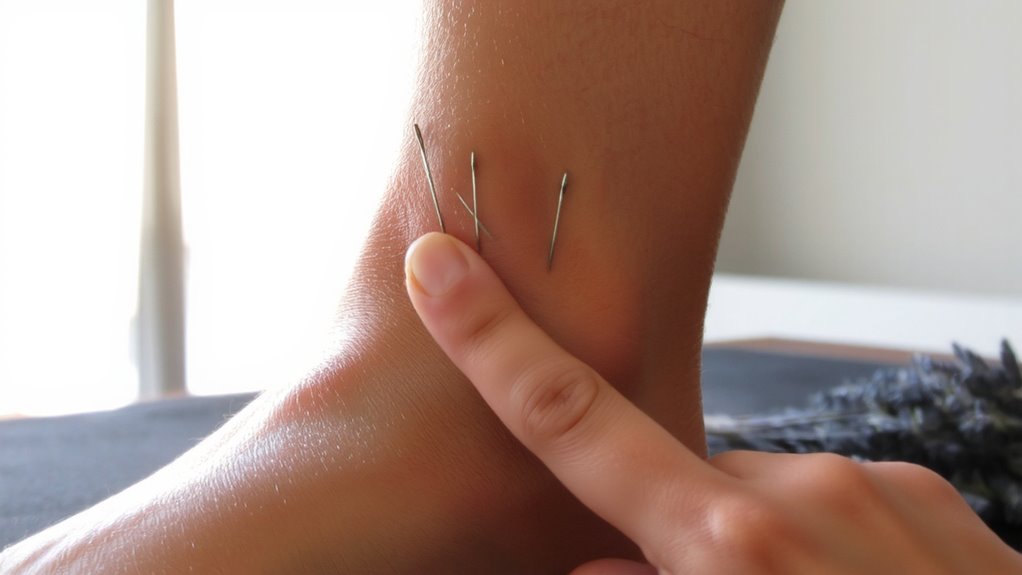
When you’re dealing with sore, inflamed muscles after intense training, acupuncture offers a natural way to calm the response without relying on medication or external gear alone. It promotes natural relief by stimulating blood flow and modulating inflammatory markers like cytokines, helping your body regulate swelling and discomfort. You’ll likely notice faster pain reduction compared to passive recovery, especially when sessions follow consistent protocols. Unlike fitness gear that only compresses or heats tissue, acupuncture works at a physiological level, prompting your nervous system to decrease pain signaling. Studies show measurable improvements in muscle soreness within 24–48 hours post-treatment. While recovery tools have their place, they often treat symptoms-acupuncture addresses root mechanisms. It’s not a quick fix, but with regular use, it enhances your body’s ability to recover. This makes it a practical complement to training regimens focused on long-term performance and resilience.
Top Acupuncture Points for Leg and Back Healing
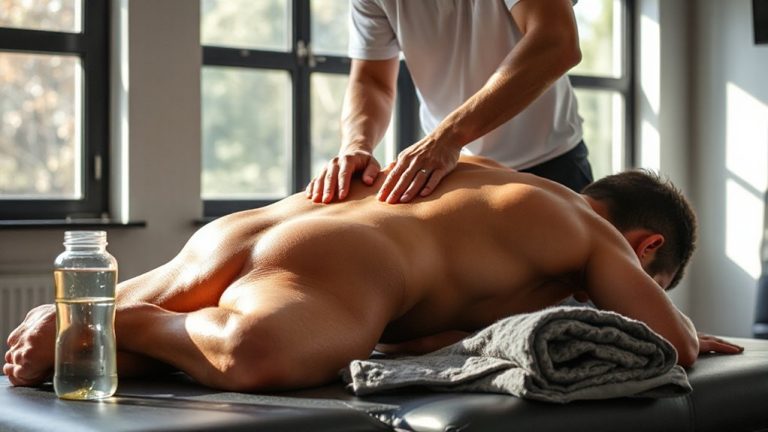
If you’re looking to target stubborn muscle tension in your legs and back, focusing on key acupuncture points can make a noticeable difference in recovery speed and comfort. Points like BL-23 (near the lower back) help stabilize kidney-related Qi flow, supporting structural integrity and reducing soreness. Stimulating GB-30 in the buttock region enhances circulation and eases sciatic discomfort, while ST-36, located below the knee, is renowned for boosting leg strength and promoting overall Qi flow. LI-4 and LV-3 assist in maintaining meridian balance, particularly along the back and hamstring pathways. These points, when activated correctly, don’t just relieve pain-they optimize your body’s internal environment for healing. Though not a substitute for proper fitness gear, acupuncture complements physical recovery by addressing energetic blockages. Consistent use may lead to improved mobility and sustained muscular function over time.
Pairing Acupuncture With Workout Recovery
While your post-workout routine likely includes stretching, hydration, and perhaps foam rolling, integrating acupuncture can elevate your recovery by targeting the physiological and energetic pathways involved in muscle repair. You’ll notice enhanced flexibility as acupuncture helps release muscular tension and reduce stiffness in overused areas. It also promotes improved circulation, delivering oxygen and essential nutrients directly to fatigued tissues. Unlike passive recovery tools, acupuncture actively stimulates the nervous system, helping modulate inflammation and shorten recovery time. When paired with performance gear like compression wear, which supports circulation mechanically, acupuncture adds a physiological edge. It’s not a replacement for proper cooldowns or quality gear, but a synergistic boost. You don’t need daily sessions-just two weekly treatments can yield measurable improvements in soreness and mobility. This combination strategy reflects a smarter, more functional approach to post-workout recovery.
Your First Acupuncture Session for Muscle Repair
What can you realistically expect when stepping into an acupuncture clinic focused on muscle repair? You’ll begin with an initial consultation where the practitioner reviews your medical history, fitness routine, and specific muscle concerns. This isn’t just a formality-it’s essential for accurate treatment planning. They’ll assess areas of tension, prior injuries, and recovery patterns to tailor needle placement and session frequency. Most first-timers feel minimal discomfort, often describing the sensation as a mild tingling or pressure. The actual session lasts about 30 to 45 minutes, during which fine, sterile needles are inserted into targeted meridians linked to muscle recovery. You’re likely to notice reduced soreness and improved mobility after just one or two visits. While acupuncture isn’t a substitute for proper gear or rest, it enhances recovery when combined with smart training habits.
On a final note
You’ll find acupuncture speeds muscle recovery by boosting blood flow and reducing inflammation, making it a smart add-on to fitness recovery routines. It triggers tissue repair naturally, easing soreness without relying on medication. When paired with proper gear and post-workout care, acupuncture enhances healing, especially when targeting key points in the legs and back. Though not a standalone fix, it’s a well-supported, low-risk tool you can confidently integrate for better performance and faster healing.