Understanding the Complex Inflammation Response During Fitness Recovery
You trigger inflammation when you push through intense workouts, and that’s normal-micro-damage and metabolic stress activate your immune system to clean debris and jumpstart repair. Short-term swelling and immune activity help rebuild stronger muscles, but chronic inflammation slows healing, risking fibrosis or suppressed immunity. Eat fatty fish, tart cherries, and leafy greens post-workout to manage excess inflammation. Space training sessions 48–72 hours apart and limit weekly load increases to 10%. Adjusting tempo and volume keeps recovery on track-optimizing this balance activates better long-term gains.
Notable Insights
- Exercise-induced muscle damage triggers an inflammatory response essential for tissue repair and adaptation.
- Immune cells clear debris and cytokines regulate inflammation to support effective muscle recovery post-workout.
- Acute inflammation aids recovery, but chronic inflammation can impair healing and lead to muscle fibrosis.
- Consuming anti-inflammatory foods like fatty fish, turmeric, and leafy greens reduces excessive inflammation and speeds recovery.
- Proper rest intervals, gradual progression, and load management prevent chronic swelling and optimize recovery.
Why Exercise Triggers Inflammation
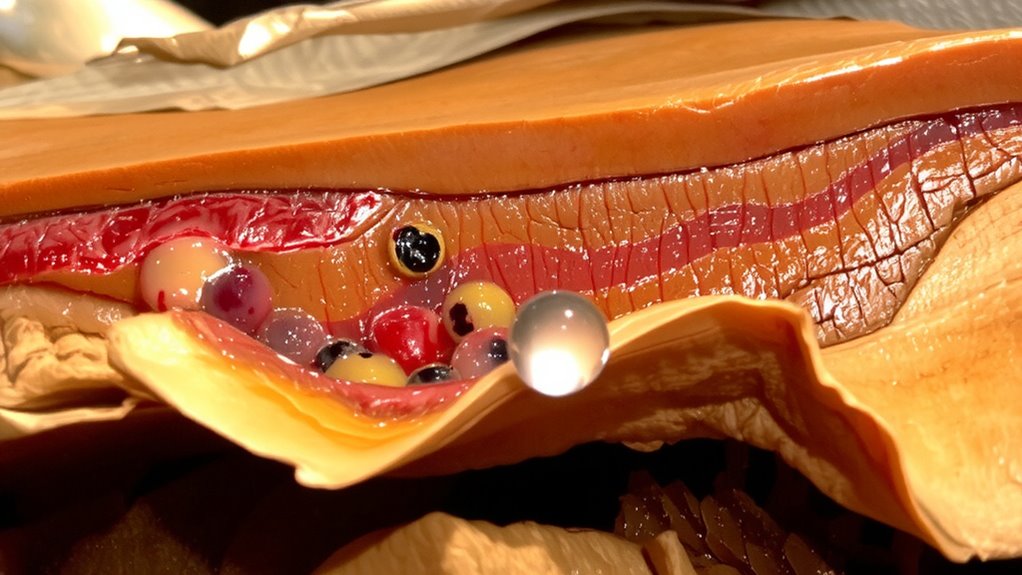
While your muscles may feel the burn during a tough workout, it’s what happens afterward that truly shapes your recovery-and inflammation plays a central role. You trigger inflammation every time you push through high exercise intensity, especially during resistance or endurance training. That strain causes microscopic damage to muscle fibers, while metabolic stress builds up from accumulated lactate, reactive oxygen species, and depleted energy stores. These conditions signal your immune system to respond, launching inflammatory processes that clear debris and prepare for repair. It’s not a flaw-it’s functional. The right intensity matters: too little, and you won’t stimulate adaptation; too much, and recovery lags. Quality fitness gear-like supportive footwear and breathable apparel-can help manage strain and reduce unnecessary joint loading, letting you train effectively without excess tissue trauma. Inflammation, in this sense, isn’t your enemy. It’s a precise biological reaction calibrated to your effort, a necessary step in becoming stronger.
How Inflammation Helps Muscle Recovery
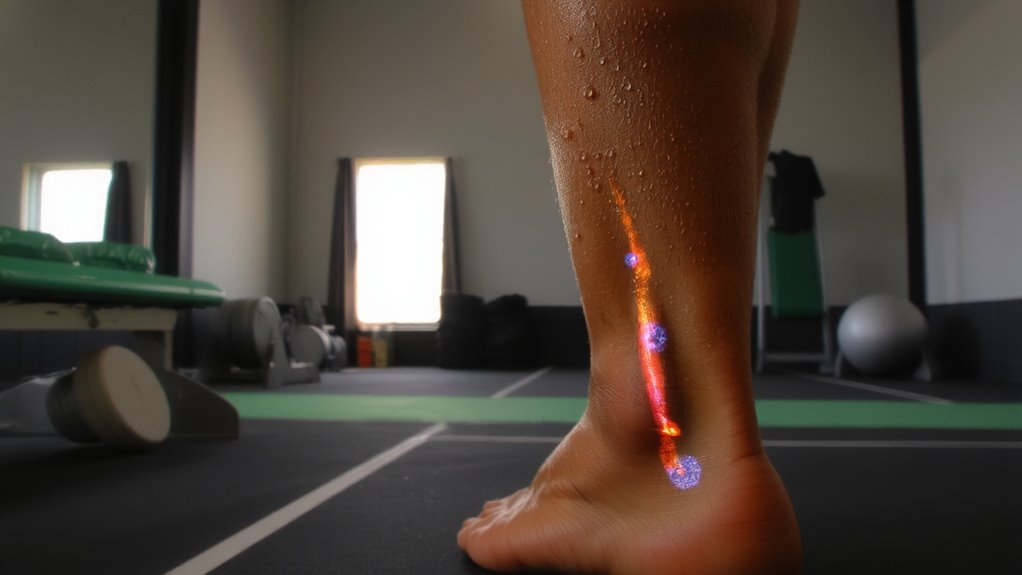
Inflammation kicks in right after your workout ends, and it’s doing more than just causing soreness-it’s laying the groundwork for stronger muscles. Your body responds by sending immune cells to damaged areas, triggering tissue repair and clearing out cellular debris. That mild swelling and warmth? It’s a sign your system’s working as intended. Without this phase, muscle growth would stall, because inflammation activates satellite cells that help rebuild fibers thicker and more resilient. You’re not just recovering-you’re adapting. The process is precise: cytokines regulate the response, ensuring repair happens efficiently. While fitness gear like compression sleeves won’t speed up inflammation, they may support circulation, indirectly aiding recovery. This phase isn’t something to suppress prematurely; it’s essential. When managed correctly, inflammation isn’t the enemy-it’s the foundation of progress, enabling gains you’ll notice over time. It’s not about comfort; it’s about long-term performance and durability. A well-chosen compression sleeves model can enhance blood flow and provide targeted support during this critical recovery window.
When Inflammation Slows Down Healing

If your body’s inflammatory response lingers too long, it can actually work against you, delaying the healing process instead of supporting it. You might think inflammation is always helpful, but chronic inflammation can trigger immune suppression, leaving you vulnerable to infections and slowing tissue repair. Over time, this imbalance promotes tissue fibrosis-where excessive scar tissue replaces healthy muscle fibers, reducing flexibility and strength. This isn’t just theoretical; endurance athletes pushing through constant soreness often show reduced recovery efficiency and compromised performance. Fitness gear like compression wear may help manage swelling, but it can’t fix systemic issues. Without proper rest or intervention, prolonged inflammation undermines your training gains. The key isn’t to eliminate inflammation but to regulate it-ensuring it resolves when healing should begin. Monitoring intensity and recovery markers helps maintain this balance. Incorporating advanced tools such as top muscle recovery devices can enhance the regulation of inflammation and accelerate tissue repair.
Foods That Reduce Recovery Inflammation
Since your body’s inflammatory response plays a crucial role in recovery, choosing the right foods can make a measurable difference in how quickly and effectively you bounce back after intense workouts. Anti inflammatory foods like fatty fish rich in omega-3s, tart cherries, turmeric, and leafy greens help modulate excessive inflammation without suppressing it entirely. Including these regularly supports tissue repair and reduces soreness. Nutritional timing also matters-consuming these foods within 30 to 60 minutes post-exercise enhances absorption and effectiveness. A post-workout smoothie with berries, spinach, and flaxseed isn’t just convenient; it’s strategically effective. While fitness gear helps with biomechanical support, what you eat directly influences cellular recovery. You don’t need expensive supplements-whole-food sources offer balanced phytonutrient profiles. Consistency beats novelty: making anti inflammatory foods a daily habit yields better long-term recovery outcomes than occasional use.
Workout Adjustments to Prevent Chronic Swelling
You’ve already seen how what you eat shapes your body’s response to exercise stress, and now it’s time to look at how you train. Preventing chronic swelling hinges on smart workout adjustments, not just willpower or gear. Rest frequency is critical-skipping recovery days keeps inflammation elevated, weakening tissue repair. Aim for 48 to 72 hours between intense sessions for the same muscle group. Load management guarantees you’re not spiking stress without adaptation. Gradually increase weight, reps, or volume-ideally no more than 10% per week. Overloading too fast overwhelms inflammation controls, inviting chronic swelling. Monitor soreness and performance; if strength drops or stiffness lingers, you’re pushing too hard. Compression wear may help manage symptoms, but it’s no substitute for proper programming. Adjusting training tempo, volume, and intensity supports long-term recovery. Smart lifting beats relentless grinding every time. Choosing the right supportive gear, like high-quality knee sleeves, can further aid joint stability and recovery during intense training phases.
On a final note
You trigger inflammation each time you train, and it’s a key part of muscle repair. But when it lingers, recovery slows and performance suffers. Smart nutrition and workout tweaks help regulate this response. Compression gear? It may support circulation, but evidence is mixed. Focus instead on proven tools: proper rest, anti-inflammatory foods, and periodized training. These strategies work together to reduce chronic swelling and optimize recovery-giving you a stronger, more resilient body over time.