Leveraging Central Nervous System Recovery Techniques to Accelerate Performance Restoration
Your CNS drives recovery, not just your muscles-ignoring it slows progress. Track HRV to catch fatigue before performance drops. Use neurofeedback to sharpen focus and calm overactive brainwaves. Red light therapy boosts mitochondrial repair and reduces neural inflammation. Pair breathwork with deep sleep to reset autonomic balance. When you stack these science-backed tools, recovery becomes faster and more complete-there’s a smarter way to restore and perform at your peak.
Notable Insights
- CNS fatigue impairs performance more than muscle fatigue, requiring targeted recovery for optimal restoration.
- Heart rate variability (HRV) monitoring enables early detection of CNS fatigue before performance declines.
- Neurofeedback training with EEG devices enhances brain wave regulation to accelerate mental and physical recovery.
- Red light therapy at 630–850 nm boosts mitochondrial function and reduces neural inflammation for faster CNS repair.
- Prioritizing sleep quality and circadian alignment maximizes neural plasticity and synaptic recovery during rest.
Why Your CNS Controls Recovery Speed
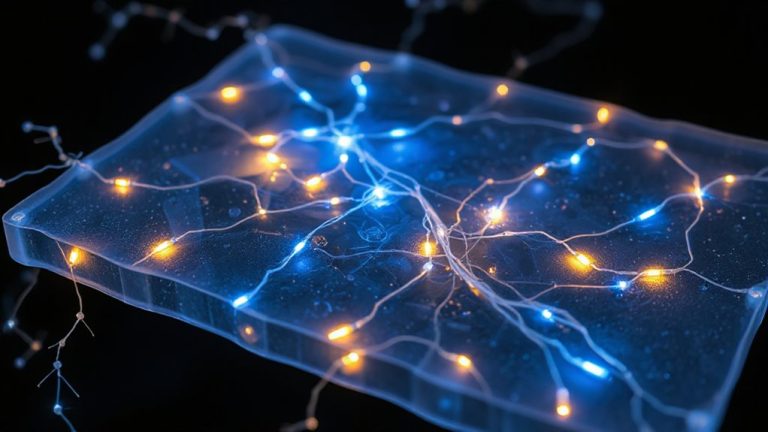
Why does your recovery feel sluggish after intense training? Because your central nervous system (CNS) bears the brunt of high-intensity effort, not just your muscles. Every explosive rep or max lift demands precise neural signaling, draining neurotransmitter balance essential for communication between neurons. When these chemicals-like dopamine and glutamate-are depleted, your reaction time, coordination, and motivation dip. That’s not muscle fatigue-it’s CNS fatigue. Synaptic plasticity, the brain’s ability to adapt and rewire neural pathways, also slows under prolonged stress, impairing motor learning and recovery efficiency. Unlike peripheral muscle repair, CNS recovery isn’t visible, making it easy to overlook. Yet, without proper rest and nutrition, synaptic resilience weakens, increasing injury risk and diminishing performance returns. Fitness gear like neural feedback devices or recovery-specific wearables may support monitoring, but they can’t replace foundational recovery strategies. Your CNS isn’t just involved-it’s in control.
Use HRV to Detect CNS Fatigue Early
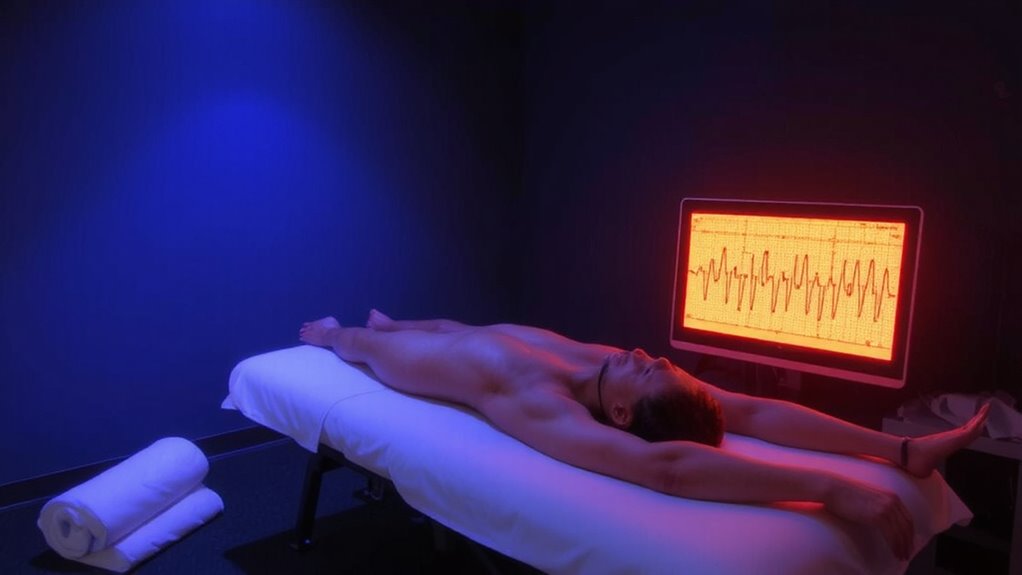
How do you know when your body’s truly ready for another heavy session? The answer often lies in your heart rate variability (HRV). When your central nervous system (CNS) is fatigued, HRV drops, signaling reduced autonomic balance. This shift means your sympathetic system is dominant-your body’s stuck in “go” mode. High-performance athletes use wearable gear that tracks HRV daily, providing early warnings before performance dips or injury risk increases. Unlike basic fitness trackers, advanced monitors assess beat-to-beat changes in heart rate with medical-grade precision, revealing subtle CNS strain even when you feel fine. Relying on how you “feel” isn’t enough-objective data catches fatigue earlier. By monitoring HRV trends over time, you spot patterns, adjust training loads, and time recovery. It’s not just about harder work, but smarter recovery. With consistent use, HRV becomes a reliable compass for training readiness.
Boost Recovery With Neurofeedback Training
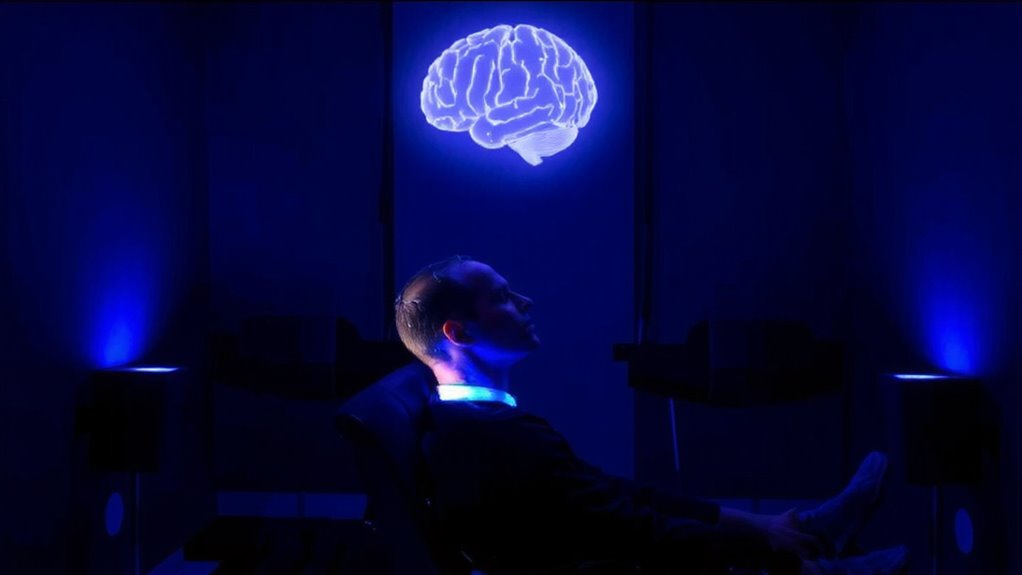
Where does recovery truly begin-in the muscles, the mind, or the nervous system? It starts with your brain waves. Neurofeedback training fine-tunes your central nervous system by teaching you to regulate neural activity. You’re not just resting-you’re reprogramming. This tech-backed method improves mental clarity and accelerates recovery by aligning brain function with peak performance states.
| Training Focus | Outcome |
|---|---|
| Alpha wave regulation | Enhanced relaxation, reduced CNS stress |
| Beta wave modulation | Sharper focus, improved mental clarity |
| Theta wave control | Deeper recovery, better emotional balance |
You wear a EEG-enabled headset that gives real-time feedback, letting you adjust brain wave patterns. Devices like Muse or BrainScope offer portable, precise neurofeedback. It’s not magic-it’s neuroscience you can use daily. With consistent use, you’ll notice quicker cognitive recovery and more stable mood regulation. This isn’t just recovery gear-it’s brain optimization.
Reset Your CNS With Red Light Therapy
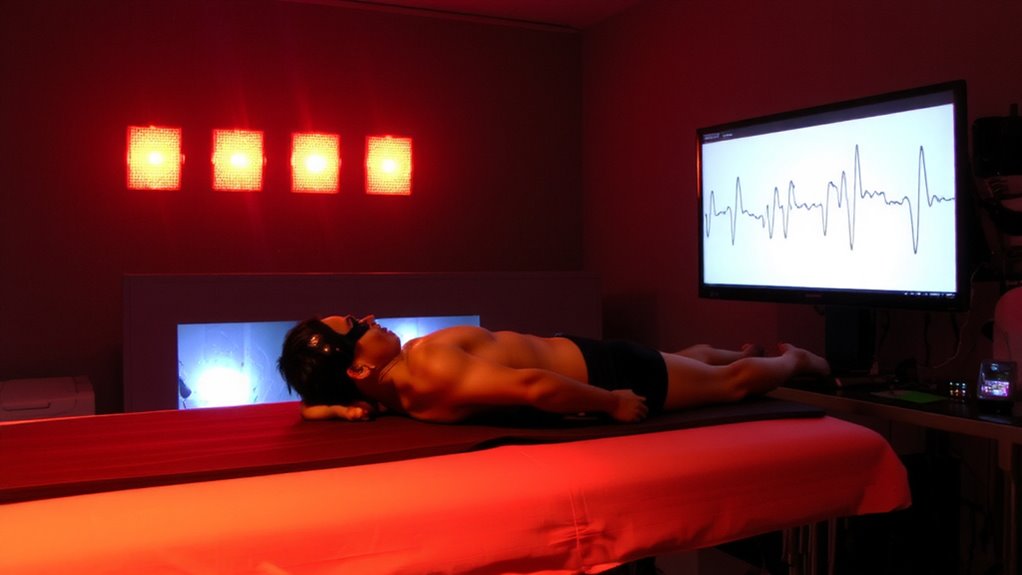
Could the key to faster, deeper recovery lie in something as simple as light? With red light therapy, that’s exactly what emerging research suggests. You’re not just relaxing-you’re stimulating red light exposure that penetrates skin and bone to reach your central nervous system. This isn’t hype; wavelengths between 630–850 nm have been shown to boost mitochondrial function, supporting cellular regeneration and reducing neural inflammation. Devices like LED panels and handheld units deliver targeted therapy, making it practical for daily use. While results vary, consistent application-10 to 20 minutes a day-often leads to improved sleep, faster recovery, and increased energy. It’s not a magic fix, but as recovery gear goes, red light devices offer measurable benefits backed by biophysics. For serious athletes and active individuals alike, integrating red light exposure could be a smart, science-aligned upgrade to your CNS recovery protocol.
Calm Your Nervous System Through Breathwork
Why do elite athletes and high performers consistently return to breathwork as a cornerstone of recovery? Because it directly regulates your autonomic nervous system, shifting you from fight-or-flight to rest-and-repair. You’re not just relaxing-you’re actively enhancing CNS recovery. Techniques like box breathing, with equal inhales, holds, and exhales, create predictable respiratory patterns that stabilize heart rate variability. This isn’t just calming; it’s neuroprotective. Alternate nostril breathing, rooted in yogic tradition, has shown measurable effects on balancing sympathetic and parasympathetic tone. When you practice it regularly, you improve vagal tone, which supports faster recovery between intense efforts. Unlike passive recovery tools, breathwork requires no gear-just precision and consistency. It’s low-tech but high-impact, making it a resilient staple in performance regimens. You don’t need a device to influence your nervous system-just disciplined breath control.
Optimize Sleep for Neural Repair
While you’re chasing peak performance, skipping intense workouts, or pushing through mental fatigue, sleep remains the most potent yet underutilized tool for CNS recovery. Quality sleep drives neural repair by aligning with natural sleep cycles and boosting melatonin release, which regulates your body’s internal clock. Deep NREM stages, particularly stages 3 and 4, are when neural cleanup and synaptic reorganization peak-essential for cognitive resilience and physical readiness. Disrupting this process stalls recovery, no matter how advanced your fitness gear.
| Factor | Ideal Condition | Performance Impact |
|---|---|---|
| Sleep Duration | 7–9 hours | Maximizes full sleep cycles |
| Darkness Level | Total darkness | Enhances melatonin release |
| Consistency | Fixed sleep/wake times | Stabilizes CNS recovery rhythm |
Aligning with circadian biology isn’t just beneficial-it’s non-negotiable for high-level restoration.
Stack CNS Recovery Tools for Best Results
When you combine evidence-based recovery methods, the cumulative effect on CNS restoration far exceeds what any single intervention-including high-end fitness gear-can deliver alone. Properly sequenced CNS stacking protocols amplify recovery by aligning sleep optimization, cold exposure, breathwork, and low-intensity movement. These tools don’t just reduce fatigue-they actively prime your nervous system for stronger neural adaptation cycles. Unlike passive recovery or relying solely on wearables, stacking allows physiological synergies to emerge. For example, pairing deep sleep with morning vagal nerve stimulation enhances parasympathetic tone more effectively than either method solo. Performance data shows athletes using structured CNS stacking protocols rebound faster post-competition and sustain higher training loads. While fitness tech offers useful feedback, it’s the strategic integration of recovery modalities-not the gear itself-that drives adaptation. Stack wisely, and you’ll see measurable gains in resilience, focus, and physical output over time.
On a final note
You’re not just recovering your muscles-you’re rebooting your central nervous system (CNS). Tools like HRV monitoring and neurofeedback offer real-time insight into fatigue, while red light therapy and breathwork actively reset neural function. Prioritizing sleep enhances neural repair, and stacking these methods accelerates performance restoration. Though gear varies in cost and evidence, consistent, informed use delivers measurable gains in recovery speed and training readiness-making smart tech a worthwhile investment for serious athletes.