Maximizing Glycogen Replenishment Rates Through a Focus on High-Quality Carbohydrates for Optimal Energy Restoration
You restore energy faster when you fuel up with high-quality carbs right after exercise, since your muscles are most receptive to glycogen replenishment within 30 to 60 minutes post-workout. White rice, ripe bananas, or dextrose provide rapid glucose without the crash of refined sugar. Pairing carbs with protein boosts insulin response and supports muscle repair. Skipping this window or relying on compression gear alone slows recovery-smart carb timing gives you a real metabolic edge. There’s more to mastering recovery than just what you eat.
Notable Insights
- Consume high-quality carbohydrates immediately post-exercise to maximize glycogen synthesis during the peak recovery window.
- Prioritize carbs with a moderate to high glycemic index, like white rice or dextrose, for rapid glucose availability.
- Pair carbohydrates with protein to enhance insulin response and support both glycogen replenishment and muscle repair.
- Avoid delaying carbohydrate intake, as waiting over two hours can reduce synthesis rates by more than 50%.
- Choose quality carbs over refined sugars to sustain energy, improve insulin sensitivity, and optimize long-term recovery.
What Glycogen Does for Muscle Recovery
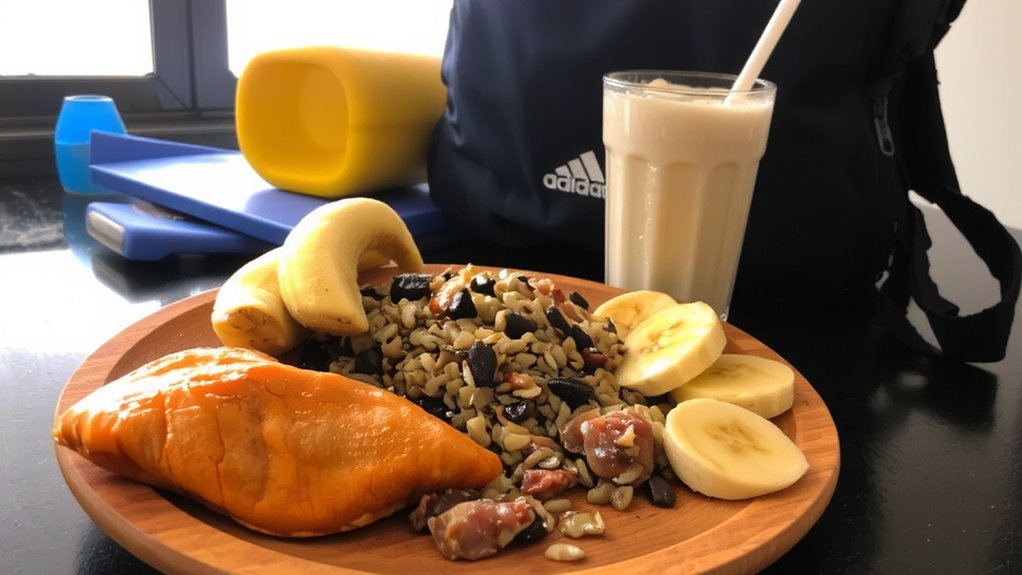
While your muscles are working hard during exercise, it’s glycogen that powers through those intense reps and long runs, and afterward, it’s up to you to replenish what’s been burned. Glycogen isn’t just fuel-it’s central to recovery timing, helping your body bounce back faster after fatigue. When stores run low, you’re more likely to experience muscle soreness and delayed repair, especially if you skip proper post-workout nutrition. Replenishing glycogen quickly means your muscles regain function sooner, reducing downtime between sessions. Recovery timing matters because the first 30 to 60 minutes post-exercise is when your muscle cells are most receptive to nutrient uptake. Ignoring this window prolongs soreness and weakens performance gains. Though compression gear or massage tools promise relief, they don’t replace the metabolic role glycogen plays. True recovery starts internally-refueling with purpose guarantees you’re ready for the next challenge without unnecessary setbacks.
Why Quality Carbs Speed Glycogen Restoration
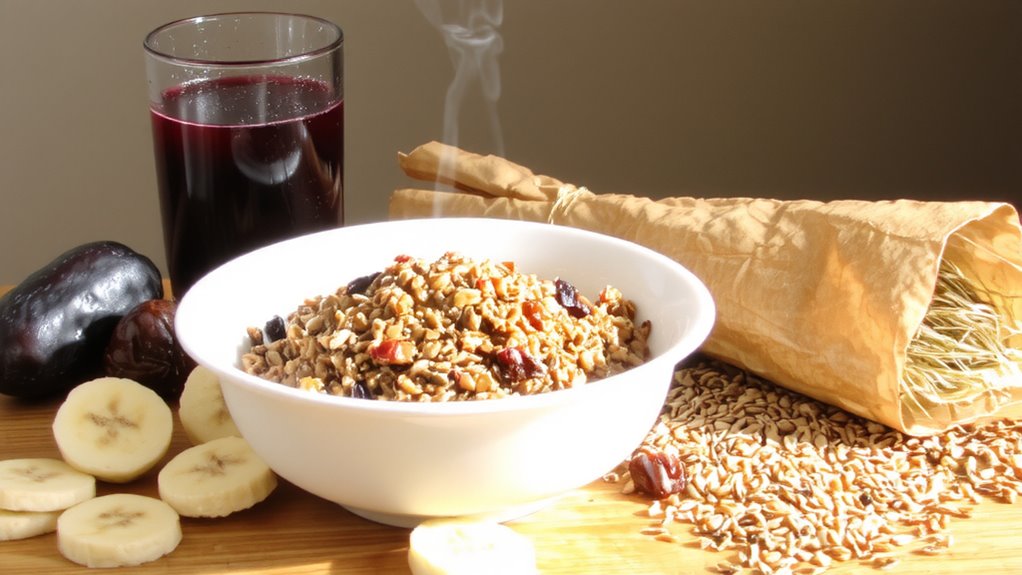
You’ve just finished a tough workout, and your muscles are hungry for replenishment-the clock is ticking to restore what you’ve lost. Quality carbs make a real difference here, not just by refueling fast but by doing it smart. Unlike refined sugars that spike and crash your energy, high-quality carbohydrates help stabilize glycemic variability, keeping your blood glucose more consistent. That controlled release matters because it supports improved insulin sensitivity, letting your body shuttle glucose into muscle cells more efficiently. When insulin works better, glycogen synthesis speeds up-especially within that critical post-exercise window. You’re not just replacing fuel; you’re optimizing recovery at a metabolic level. Over time, this means less fatigue, better performance, and smarter energy management. It’s more than what you eat-it’s how your body responds, and quality carbs give you the edge when recovery counts.
Best Carbs for Fast Energy Replenishment

Fueling recovery starts with choosing the right carbohydrates-those that deliver glucose swiftly and sustain glycogen synthesis when it matters most. You need fast-digesting carbs with high bioavailability, especially post-workout. While low glycemic impact foods have their place in daily nutrition, they’re less effective here due to slower glucose release. Prioritize these high-quality sources using smart carb timing strategies to maximize replenishment.
| Food Source | Glycemic Index | Best Use Case |
|---|---|---|
| White rice | 73 | Post-training meals |
| Watermelon | 76 | Quick pre-recovery snack |
| Banana (ripe) | 62 | On-the-go refueling |
| Dextrose | 100 | Immediate post-exercise |
| Sports gels | 80–100 | Intra- or post-workout |
These options guarantee rapid glucose delivery, aligning with recovery windows for peak performance adaptation.
When to Eat Carbs for Optimal Synthesis
Why does timing matter so much for glycogen synthesis? Because your muscles are primed to absorb nutrients right after exercise, especially when you maximize carb timing. Within 30 to 60 minutes post-workout, your cells are more receptive to glucose uptake, and insulin response is heightened-even without elevated insulin levels. This window allows for faster glycogen replenishment, making it critical for athletes with multiple daily sessions. Delaying carb intake by just two hours can reduce synthesis rates by over 50%. High-quality carbs consumed early take full advantage of this metabolic efficiency. While insulin response supports glucose transport, strategic carb timing guarantees you’re refueling when your body is most efficient. Missing this window slows recovery and compromises performance. For maximum energy restoration, don’t just focus on what you eat-when you eat it matters just as much.
Why Combine Carbs and Protein After Workouts
Although carbs alone can jumpstart glycogen recovery, pairing them with protein after workouts often leads to better long-term replenishment and muscle repair. The right combo boosts insulin response, helping shuttle nutrients into muscle cells faster. This isn’t just about refueling-it’s about rebuilding stronger. Protein supplies amino acids critical for muscle repair, while carbs replenish spent glycogen stores efficiently. Together, they create a synergistic effect that enhances recovery beyond what either could do alone.
| Benefit | Explanation |
|---|---|
| Enhanced insulin response | Carbs spike insulin, improving nutrient delivery |
| Faster glycogen synthesis | Insulin accelerates glucose uptake into muscles |
| Improved muscle repair | Protein provides building blocks for tissue recovery |
| Sustained recovery | Combined intake supports longer restoration window |
This strategic pairing supports smart recovery-key for consistent performance.
Post-Workout Carb Mistakes That Delay Recovery
You’ve likely heard that pairing carbs and protein after a workout speeds up recovery, and it’s true-this combo drives insulin to clear glucose from the blood and shuttle amino acids into muscle cells. But if you’re skipping carb timing, you’re slowing glycogen resynthesis. Waiting more than 30–60 minutes post-exercise delays restoration, especially after intense sessions. It’s not just about quantity-low-quality carbs with minimal fiber or processing offer faster absorption when it counts. And don’t overlook hydration levels: dehydration reduces blood volume, impairing nutrient delivery to muscles. Even mild fluid loss can blunt insulin response, weakening glucose uptake. Drinking water with electrolytes alongside carbs improves fluid retention and boosts recovery efficiency. Avoid relying solely on recovery drinks packed with sugar but lacking sodium or potassium-they might taste good, but they underperform. Prioritize quick-digesting carbs, immediate intake, and balanced hydration levels to真正 optimize recovery.
On a final note
You’ll restore glycogen faster when you prioritize high-quality carbs like oats, sweet potatoes, and fruit right after training. These fuels spike insulin efficiently, driving glucose into muscles. Pairing them with protein boosts uptake further. Avoid sugary, processed options-they lack the nutrients that support sustained recovery. Timing matters: eat within 30–60 minutes post-exercise for peak synthesis. Smart carb choices enhance performance, while poor ones undermine your effort, no matter how advanced your fitness gear.