Navigating the Complexities of Tissue Remodeling During High-Intensity Training Programs
You’re constantly breaking down muscle and connective tissue during high-intensity training, but real progress happens when remodeling is supported by smart recovery. Acute inflammation helps repair tissue, but without proper rest, it turns chronic and hinders gains. Protein synthesis, collagen production, and hydration fuel cellular repair, while gear like compression wear and massage guns enhance circulation and reduce strain. Balancing load with recovery prevents overtraining. There’s a more effective way to build lasting resilience just ahead.
Notable Insights
- High-intensity training induces microtears that trigger tissue remodeling, requiring adequate recovery to strengthen muscle and connective tissues.
- Acute inflammation is essential for healing, but chronic inflammation from overtraining impairs adaptation and increases injury risk.
- Proper nutrition with protein, collagen peptides, and micronutrients like vitamin C supports efficient tissue repair and regeneration.
- Hydration and electrolyte balance maintain tissue integrity and facilitate nutrient delivery to aid recovery and remodeling.
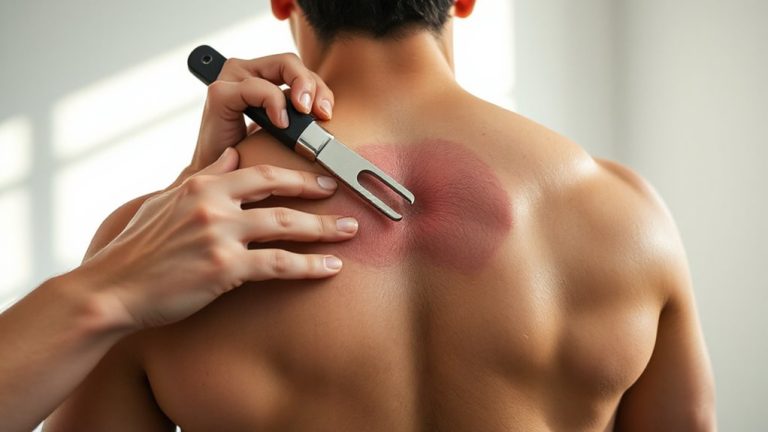
- Recovery tools like compression boots, massage guns, and supportive gear enhance repair, reduce inflammation, and improve mechanical alignment.
What Is Tissue Remodeling: And Why Athletes Should Care
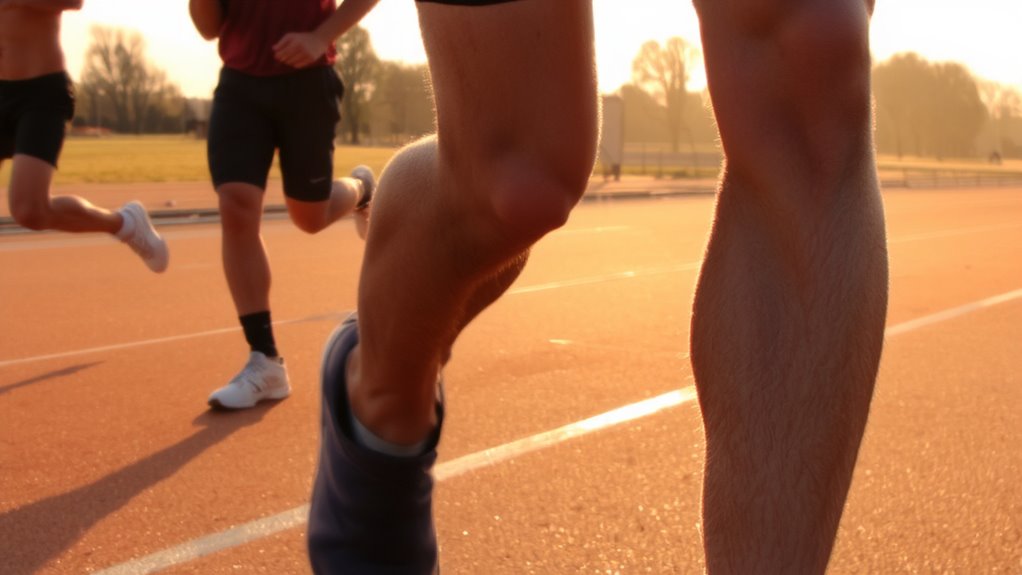
Tissue remodeling isn’t just a physiological footnote-it’s the foundation of athletic adaptation. You rely on it every time you train, even if you don’t realize it. This process reshapes muscle, tendon, and connective tissue in response to stress, primarily through muscle adaptation and cellular regeneration. It’s not just about getting stronger-it’s about building resilience. Your body replaces worn fibers with enhanced ones, improving performance over time. Without proper recovery, though, remodeling falters, increasing injury risk. Fitness recovery tools like compression gear and foam rollers aren’t gimmicks; they support circulation and reduce inflammation, optimizing the environment for repair. Smart athletes pair intense sessions with strategic recovery because they know gains happen during rebuilding, not tearing. The right gear won’t replace rest, but it can accelerate results by maintaining muscle quality and promoting efficient cellular regeneration. That’s not marketing-it’s physiology. High-quality massage guns can further enhance recovery by delivering targeted percussion therapy to deep muscle tissues.
How Intense Training Breaks Down and Rebuilds Tissue
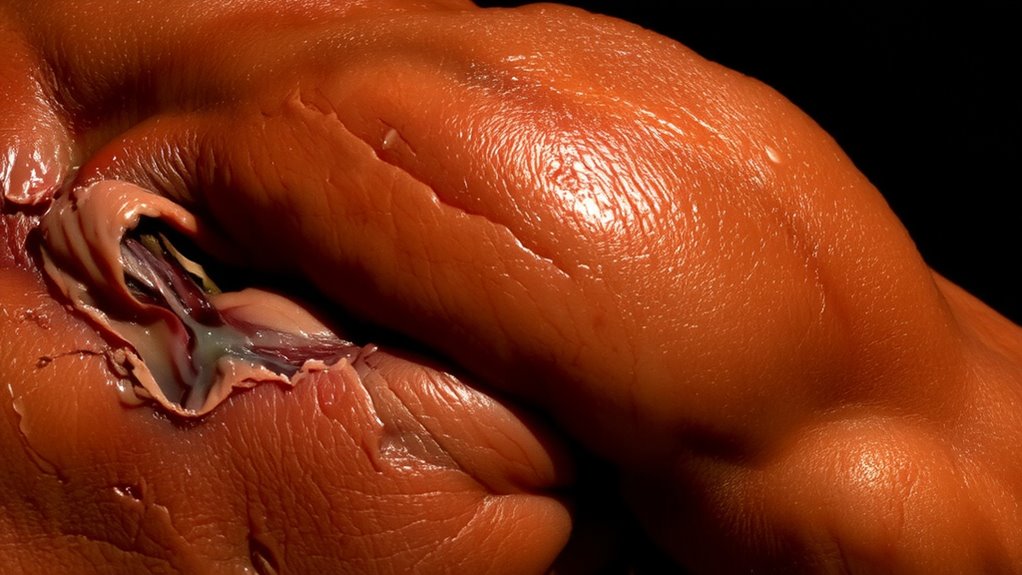
Muscle fibers bear the brunt when you push through a heavy set or crush a sprint interval-microscopic tears aren’t failure, they’re feedback. That burn you feel? It’s muscle fatigue signaling metabolic overload, a necessary trigger for adaptation. You’re not just breaking down tissue; you’re sending signals to rebuild it stronger. But don’t ignore joint stress-repetitive high-force movements strain connective tissues, and without proper form or recovery, the cost outweighs the gain. This remodeling process hinges on balance: enough stimulus to provoke change, but not so much that repair can’t keep up. Recovery gear like compression sleeves or foam rollers can mitigate excess strain, supporting circulation and tissue mobility. Still, no gadget replaces smart programming. You need structured rest, not just high output. Push hard, yes-but let your body rebuild smarter, not just stronger. Using supportive gear such as best knee straps for squats can help stabilize the knee joint during heavy lifts, reducing unnecessary strain on tendons and improving lifting mechanics.
Inflammation: Good or Bad for Tissue Remodeling?
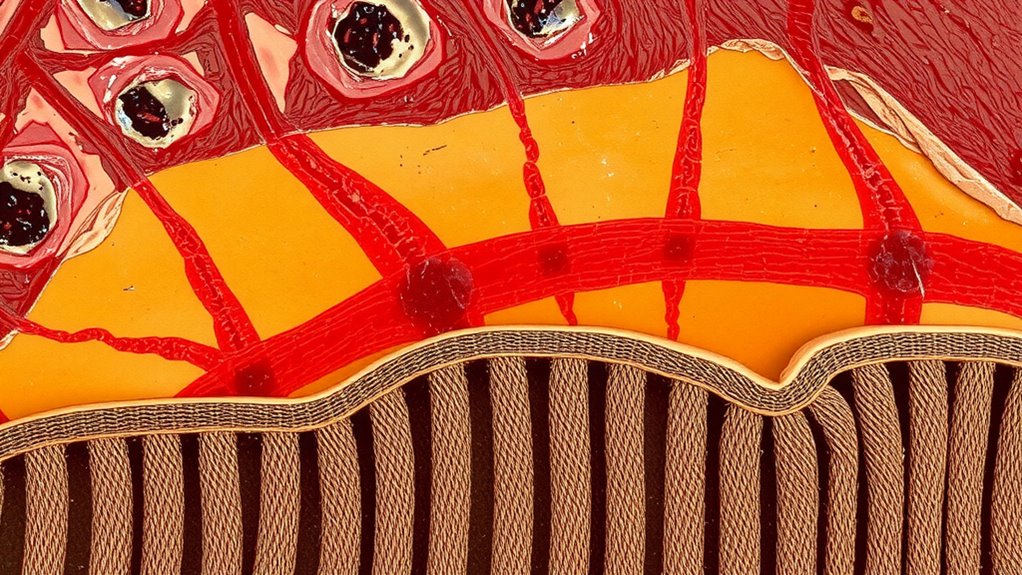
You just crushed your workout, and now your body’s responding with a buzz of biological activity-starting with inflammation. That’s normal-acute inflammation kicks in to clear damage and signal repair. Think of it as your body’s cleanup crew: swelling, redness, and warmth mean healing’s underway. But here’s the catch-while acute inflammation supports tissue remodeling, chronic inflammation’s a different beast. It lingers, often from overtraining or poor recovery, and can actually hinder adaptation. You don’t want that. It undermines progress, weakens tissue integrity, and slows gains. Smart training balances stress with recovery, letting acute responses do their job without tipping into chronic overload. Use quality fitness gear-supportive footwear, compression wear-to manage impact and improve circulation. These tools don’t stop inflammation, but they help regulate it. Controlled inflammation? That’s good. Unchecked? That’s where gains go to die. Know the difference. Consider incorporating compression boots into your recovery routine to enhance circulation and support optimal tissue remodeling.
Warning Signs You’re Overtraining and Damaging Tissue
How do you know when training hard crosses the line into training too hard? Persistent muscle fatigue that lingers beyond 48 hours is a red flag-you’re not allowing tissues enough time to recover and remodel. If joint pain begins to flare during or after workouts, especially without acute injury, it suggests cumulative stress and potential structural damage. You might push through thinking it’s normal soreness, but chronic joint pain often indicates worn cartilage or inflamed synovial tissue. Performance plateaus or declines despite increased effort are strong indicators of overtraining. Your body can’t adapt when under constant strain. Listen closely: elevated resting heart rate, disrupted sleep, and irritability often accompany physical symptoms. Using fitness gear like compression sleeves may offer temporary support, but they won’t fix the root cause-excessive volume or intensity without adequate recovery. Overtraining compromises tissue integrity; smart programming prevents it.
Best Nutrients to Speed Tissue Repair and Growth
A solid recovery strategy hinges on more than just rest-what you fuel your body with plays a decisive role in how efficiently tissues repair and grow after intense training. You need targeted nutrients to support collagen synthesis, especially since high-intensity workouts strain connective tissues. Vitamin C, zinc, and lysine aren’t just extras-they’re essentials that directly fuel this process. Pair those with an amino infusion, particularly leucine-rich BCAAs and hydrolyzed whey, and you create an environment where muscle repair accelerates. These aminos spike protein synthesis faster, reducing downtime between sessions. Collagen peptides taken pre-workout may also boost tendon resilience over time. While supplements help, whole foods like eggs, salmon, and bone broth provide a natural amino base. Don’t overlook hydration and electrolyte balance-both underpin nutrient transport to damaged tissue. You won’t see gains without consistency, but pairing smart nutrition with proper recovery design amplifies results far more than gear alone ever could.
When to Train vs. Rest for Optimal Recovery
Recovery isn’t just about what you eat-it’s also about timing your efforts wisely. You need to sync your workouts with your body’s natural repair rhythms to avoid overtraining and injury. Listening to your body is key, but so is planning around structured training cycles. These cycles should alternate high-load phases with periods of reduced intensity, allowing tissues to rebuild. Incorporating active recovery-like light cycling or mobility work-keeps blood flowing without adding strain, speeding up repair. Unlike passive rest, it helps clear metabolic waste and reduces soreness. Smart recovery isn’t laziness; it’s strategic. Push too hard, and you’ll disrupt tissue remodeling. Ease up too much, and you lose adaptation momentum. Balance is everything. Use heart rate variability or soreness levels to guide decisions, but trust your program’s design. Your gear-compression wear, foam rollers-supports recovery, but only if timing is right.
How to Build Permanent Tissue Resilience
Tissue resilience isn’t built in a single workout-it’s forged over time through consistent, progressive stress paired with smart recovery. You trigger tissue adaptation by gradually increasing load, allowing your body to respond with stronger collagen synthesis and improved structural integrity. This process relies on cellular memory, where repeated mechanical signals train connective tissues to withstand future demands. Recovery isn’t passive-it’s an active phase where remodeling occurs, especially with proper nutrition and sleep. Below are key factors enhancing permanent resilience:
| Strategy | Impact on Resilience |
|---|---|
| Progressive overload | Drives tissue adaptation |
| Adequate rest | Enables cellular repair |
| Nutrition | Supplies amino acids for rebuilding |
| Hydration | Maintains matrix integrity |
| Consistent stimulus | Reinforces cellular memory |
Gear matters-compression wear and supportive footwear can augment adaptation by improving alignment and feedback during training.
On a final note
You’re rebuilding with every workout, but recovery fuels the gains. Intense training stresses tissue, triggering remodeling-only if you support it. Inflammation isn’t your enemy; chronic overload is. Smart rest, protein, omega-3s, and antioxidants speed repair. Listen to your body: nagging pain means stop. Quality gear-compression wear, foam rollers-helps circulation and breakdown adhesions. Done right, tissue becomes resilient, not wrecked. Recovery isn’t passive-it’s training, too.