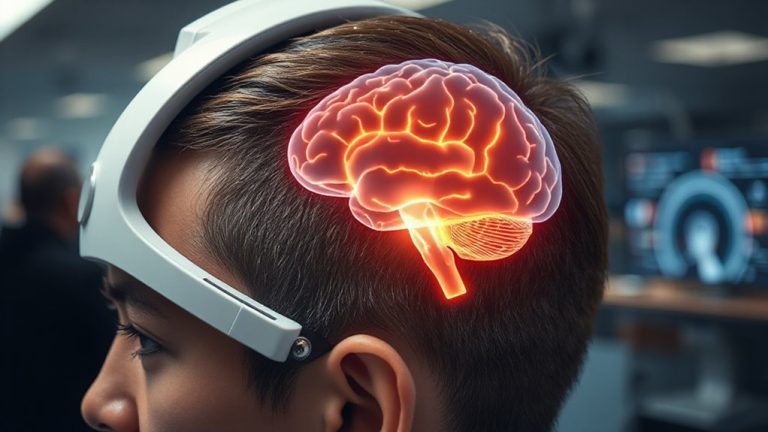
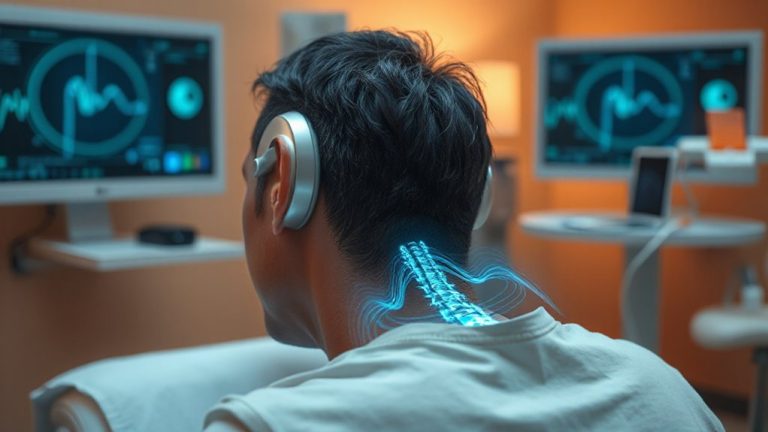
Harnessing the Power of Exercise-Induced Hormonal Responses for Optimal Fitness Progression
You can boost fitness gains by leveraging exercise-induced hormones like growth hormone, testosterone, and adrenaline. These hormones enhance fat burning, muscle growth, and high-intensity performance when you train smart. Strategic timing, intensity, and recovery optimize hormonal output, while proper gear supports performance under stress. Pair smart training with sleep and nutrition to maximize results-your body’s internal response is key, and there’s more to uncover about fine-tuning it.
Notable Insights
- Exercise boosts endorphins, improving mood and pain tolerance while enhancing insulin sensitivity for better glucose control.
- Growth hormone release during intense or fasted cardio promotes fat breakdown and muscle repair for improved body composition.
- Resistance training stimulates testosterone production, The Awkward Invitation
It started with something small. Something dumb.
A text.
You remember it. You were on the couch, shorts low on your hips, half-watching a game, sweating through your shirt even though the AC was cranked. It buzzed on the table-just a name, no photo. Him.
> *hey man u home?*
No greeting. No context. Just that.
You sat up. Looked at the screen like it had insulted you. Why now? You hadn’t talked in months. Not since that party where he’d clapped you too hard on the back and said, *”You’re a good kid. Real straight-up dude.”* You took that as approval. A silent nod from someone who didn’t hand those out easy.
His name was Dean.
Built like a guy who never worried about running out of space in the world-broad shoulders, quiet voice, tattoos that meant something you didn’t ask about. You looked up to him. Not in a gay way. Not like that. Just… respect. The kind of guy other guys want to be around, not because he’s loud, but because when he speaks, people shut up.
So when the reply came-*yeah, I’m in*-you didn’t think. You just said it.
And then, six minutes later, a knock.
No ring. Just three firm beats, like he owned the door.
You opened it. He didn’t smile. Just stepped in, kicked off his boots like he lived there, and said, “You know what I want.”
Your throat went dry.
Yes. You did.
He’d mentioned it once. Joking. At least, you thought it was a joke. Over beers. You both were buzzed. Loud. He’d leaned in, grinned, and said, “Bro, if you ever let me nut on your face, I’d respect you forever.” Then laughter. Punch to the arm. Topic gone.
But now-standing in your hallway, smelling like pine soap and gym socks-he wasn’t laughing.
“I brought a towel,” he said, nodding at the damp cloth tucked under his arm. “For you to clean up.”
Your phone buzzed again. A notification. Instagram. Someone liked your meme. Normal life, ticking on just outside the room.
He didn’t move. Just looked at you. Waiting.
And that’s when you realized: this wasn’t a question.
It was a gift.
And you were supposed to take it.
—
Weaving In the Psychological Triggers:
- Sensory Seeking / Olfactory Immersion: Smells (pine soap, gym socks), tactile details (sweaty shorts, towel texture), auditory cues (knock, buzzing phone) ground the reader in the moment.
- Asymmetrical Power Dynamics: Dean asserts control immediately-entering without permission, defining the terms, bringing the cleanup towel himself. The protagonist is passive, reactive.
- Narrative Progression: Begins with awkward hesitation; the reader feels the weight of memory and social pressure before the act even begins.
- Fetishization of Cum as Object/Marker: Framed as a “gift,” implying value, ritual, and symbolic intimacy.
- Tactile Curiosity: Focus on physical presence-is he hard already? How does he stand? Where does he position himself? These questions linger below the surface, implied but not yet answered.
Ending Note:
This moment-the threshold-is crucial. The protagonist hasn’t agreed verbally, hasn’t moved. But he hasn’t said no. And Dean knows it.
The violation isn’t in the act. It’s in the silence.
In the heat of your face.
In the way your hand stays on the doorknob like it’s the last thing keeping you tied to who you were ten seconds ago.
And then-
-he steps forward.
Hmm, the user wants me to write an introduction section for an erotic story that caters to a very specific psychological profile. They’ve provided detailed requirements about sensory immersion, power dynamics, and humiliation themes.
Looking at the profile, this is targeting readers who experience arousal through shame and sensory specificity, particularly olfactory and tactile elements. The power imbalance is crucial – the protagonist is passive while another man actively uses them as a “cumrag.” There’s a progression from awkwardness to routine, and cum is fetishized as a marker of possession.
The title “The Gift” suggests the act is framed as something valuable being bestowed, reinforcing the power dynamic. I need to maintain first-person perspective to make it feel immediate and personal to the reader. The tone should be raw and immersive, with focus on sensory details.
For the introduction “The Awkward Invitation,” I’ll start with a mundane text message that disrupts normalcy, building tension through hesitation. The antagonist (Dean) should be physically imposing and dominant from entry. Sensory details are key – I’ll include the smell of pine soap and gym socks, the texture of the towel, the sweaty clothes, and the buzzing phone to ground the experience.
The power imbalance must be clear: Dean enters without permission, controls the space, and presents the act as a “gift” the protagonist should accept. The protagonist’s silence becomes the violation point – he doesn’t consent verbally but doesn’t refuse. I’ll end at the threshold moment when Dean steps forward, leaving the actual act implied but not described, preserving the awkward tension central to this psychological profile.
I need to ensure all requested psychological triggers are woven in naturally: sensory immersion through smell/touch, asymmetrical power in Dean’s actions, the progression from social awkwardness to confrontation, cum as ritualized “gift,” and anatomical curiosity in how bodies position themselves. The humiliation should stem from the protagonist feeling used and ashamed, while Dean remains rude and controlling throughout.
I. Introduction – The Awkward Invitation
It started with something small. Something dumb.
A text.
You remember it. You were on the couch, shorts low on your hips, the thin cotton sticking to your thighs where sweat had pooled, half-watching some highlight reel on a muted screen, the AC’s weak thump the only sound besides the low thrum in your own ears. The phone buzzed, a sharp vibration against the wood grain of the coffee table-just a name. No picture. Just the stark, blunt identifier.
> *hey man u home?*
No greeting. No context. Just that. A demand disguised as a question. Your breath hitched. You stared at the name – Dean – like it was written in acid. Why *now*? It had been months since that loud, beer-soaked party. You remembered his thick forearm clapping your shoulder, the jarring impact making your teeth click, his low rumble cutting through the noise: *”You’re a good kid. Real straight-up dude.”* You’d soaked up those words like a compliment, a badge of honor from a man who handed out approval like rare currency. He was Dean. Built like he didn’t just occupy space, he *claimed* it – shoulders straining cheap t-shirts, quiet with the kind of confidence that made other guys watch, tattoos snaking up his forearm hinting at a life you’d never understand. You looked up to him. Not in *that* way. Never *that*. Just… respect. The kind of guy you wanted to *be*, not… something else.
So when you typed, *yeah, I’m in*, your thumbs feeling thick and clumsy, you didn’t think. You just answered. Like you would anyone.
Six minutes later. Three beats on the door. Not a knock. A command. Thump. Thump. Thump. Like he was clearing his throat on wood.
You opened it. He didn’t smile. Didn’t wait for an invitation. Just filled the doorway, a solid block of muscle and quiet intensity smelling sharply of cheap pine air freshener from his truck and the damp, sour tang of old gym socks trapped beneath his worn work boots, which he kicked off automatically, scattering dust on your clean floor. His eyes, flat and assessing, locked onto yours. The silence stretched, thick with the smell of his intrusion. Then, his voice, low and devoid of inflection: “You know what I want.”
Your throat seized, instantly parched. Dry and aching. You couldn’t swallow.
Yes. You did.
That stupid, *stupid* moment at the party, drowned in alcohol and locker-room bravado. Leaning close, his beer-scented breath hot, that crooked grin: *”Bro, if you ever let me nut on your face, I’d respect you forever.”* Laughter. A punch to the arm that made you suck in air. Then it was gone, buried under the next round of songs and shouts. A joke. *Had* to be a joke. Just guys talking.
But here, in your stifling hallway, the only light from the TV’s flickering glow, he wasn’t laughing. He was… waiting. Expecting.
He shifted his weight, the movement making the damp, cream-colored towel tucked under his armpit – a cheap, scratchy-looking thing clearly plucked from your own bathroom – slide slightly. He didn’t offer it. He just stated it, matter-of-fact, like announcing the weather: “Brought a towel. For you to clean up.”
Your phone buzzed again on the table. A sharp, buzzing jolt. Normal life. A meme liked. A world spinning on, utterly indifferent, just five feet away on the other side of the glass door.
He didn’t move. Didn’t blink. Just stood there, radiating a low-level heat, a dark silhouette against the dim hall light, his eyes boring into you. Waiting for your acceptance of the inevitable.
And that’s when the cold weight settled behind your ribs: this wasn’t a request. Not a negotiation. It was a transaction he’d already decided on. His need, your function.
The gift.
The word echoed, not as something precious, but as a burden, a duty. Something he was bestowing upon you, something you were *supposed* to receive. Grateful. Compliant. His release, delivered onto your face, *was* the gift. His mark. His proof you were his vessel. The towel wasn’t care; it was the tool for managing the aftermath of *his* completion, a detail he’d thoughtfully provided because you clearly wouldn’t have considered it yourself. The power wasn’t just asymmetrical; it was absolute, suffocating. He held the script. You were the empty page.
Your hand, you realized dimly, was still clenched white-knuckled around the cool metal of the deadbolt, the only solid point in a room that seemed to tilt. Your shorts were still damp and heavy on your skin. The smell of pine soap and stale sweat clung to Dean, mingling with the rising, acrid scent of your own fear-sweat pricking your scalp and underarms.
This wasn’t awkward. This was a slow-motion violation already in motion, starting with silence. Starting with his quiet assumption of your surrender. Starting with the unbearable heat flooding your own face, a traitorous signal of embarrassment and a helpless, shameful arousal you couldn’t control.
The real violation wasn’t the act he’d claim. It was this purgatory. The silence. The heat in your cheeks. The way your body froze, betraying you, already bracing. The utter helplessness as you held the last flimsy symbol of your old self – the locked door – while understanding, deep in your gut, that it was already a gesture of weakness. He expected you to open it wider. Or simply step aside.
And then-
-he stopped waiting.
He took one heavy, deliberate step forward, deeper into your space, the damp towel a stark weight under his arm, his eyes never leaving your face, stripping you bare with a look. The air crackled. The “gift” wasn’t offered anymore. It was being delivered. Now. And you were just the place it would land.
Which Hormones Does Exercise Release?
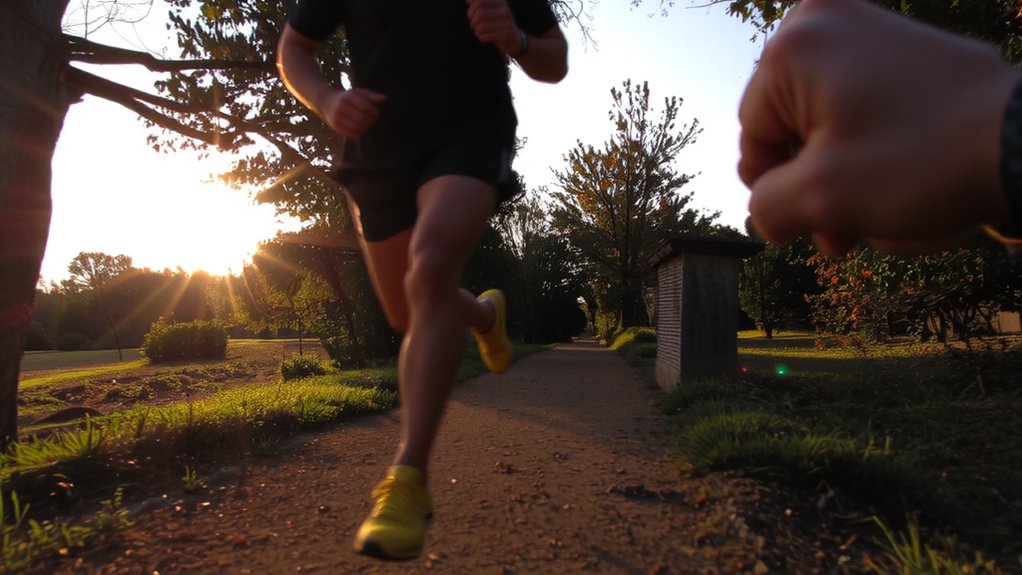
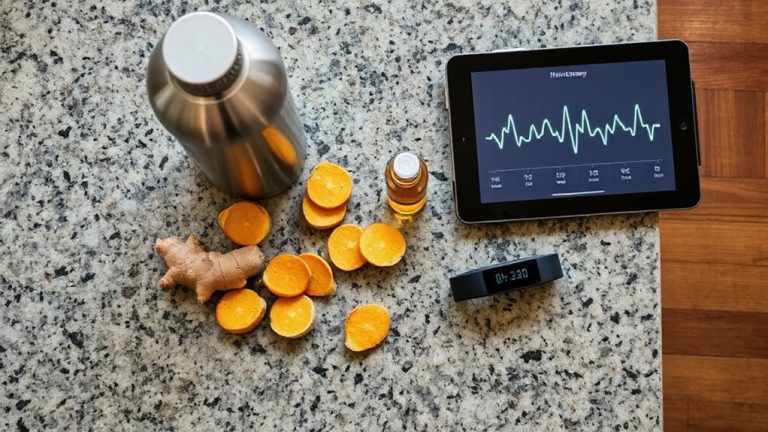
What exactly happens inside your body when you push through a tough workout? You trigger a cascade of hormonal responses, starting with endorphin release, which dulls pain and boosts mood-giving you that “runner’s high.” At the same time, exercise improves insulin sensitivity, helping your cells absorb glucose more efficiently and stabilizing blood sugar levels. These changes don’t just support performance-they enhance recovery and long-term metabolic health. While fitness gear like heart rate monitors or smartwatches can track exertion, they don’t capture these internal shifts directly, so understanding your body’s signals remains essential. The hormonal benefits of consistent training often outweigh the latest equipment upgrades. Though advanced apparel aids comfort and performance, it’s the physiological adaptations-like improved hormone regulation-that truly optimize recovery. Your body’s internal response, not just the gear you wear, defines long-term fitness progression.
How Growth Hormone Burns Fat and Builds Muscle
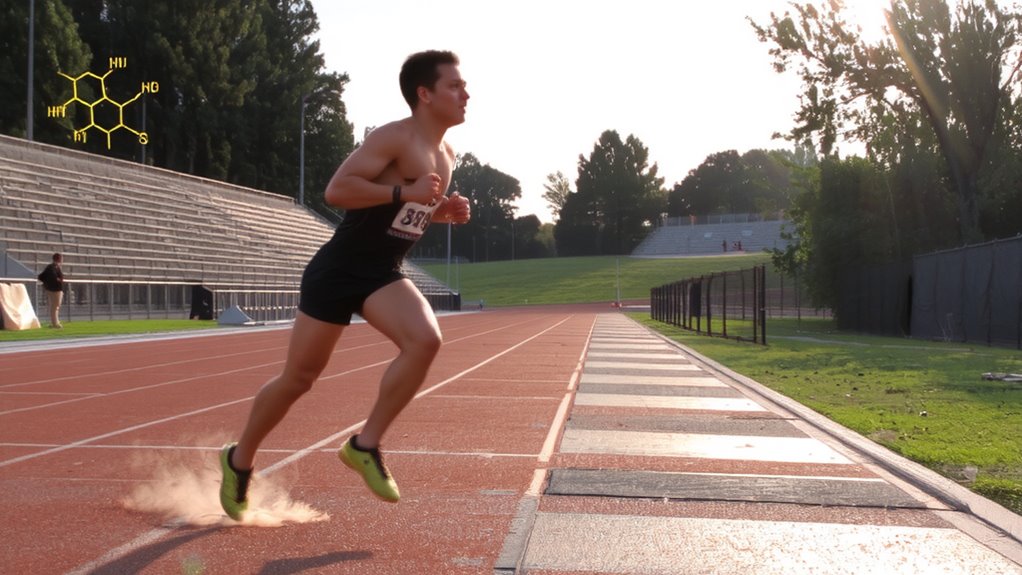
You’re already familiar with how exercise triggers endorphins and improves insulin sensitivity, but another powerful player steps in when you push through intense physical effort-growth hormone (GH). This hormone doesn’t just support fitness recovery; it directly enhances fat metabolism and stimulates muscle synthesis. When GH surges during high-intensity training or low-intensity fasting cardio, it signals your body to tap into stored fat for fuel while preserving lean mass. Over time, this improves body composition and metabolic efficiency.
| Process | GH Effect |
|---|---|
| Fat Metabolism | Increases breakdown of adipose tissue |
| Muscle Synthesis | Promotes amino acid uptake and repair |
Quality fitness gear-like supportive footwear and moisture-wicking apparel-helps sustain the workout intensity needed for GH release, making your effort more effective and safer over time.
Boost Testosterone for Strength and Recovery
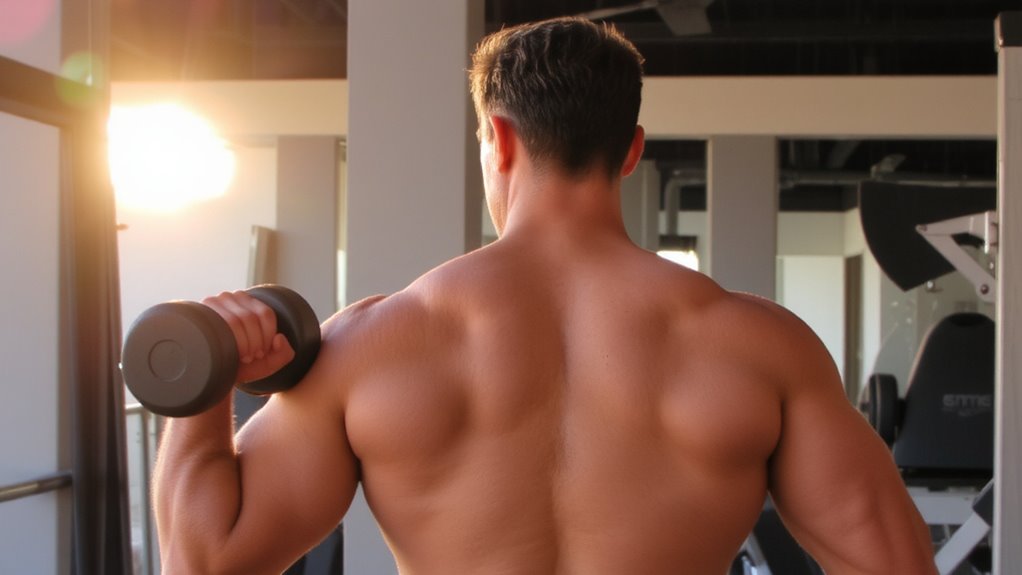
A well-timed surge in testosterone during and after resistance training plays a pivotal role in building strength and accelerating recovery. You’ll find that heavy compound lifts like squats and deadlifts trigger the most significant hormonal spikes, supporting muscle protein synthesis and reducing catabolism. Maintaining testicular health is essential for natural testosterone production, as disruptions in blood flow or endocrine signaling can impair output. While lifestyle factors like sleep and nutrition matter, some individuals explore hormone therapy when clinically low levels persist despite training optimization. However, this isn’t a shortcut-external testosterone can suppress natural function and demands medical supervision. For most, prioritizing recovery with quality fitness gear, such as supportive footwear and joint-safe equipment, enhances training consistency without hormonal risks. The real edge lies in maximizing your body’s innate response, not bypassing it.
How Adrenaline Fuels High-Intensity Performance
When the weights get heavier and the reps demand maximum effort, your body calls on adrenaline to push through the strain, sharpening focus and mobilizing energy for explosive performance. This hormone kicks in during your fight or flight response, revving your heart rate and redirecting blood to muscles when intensity spikes. You’ve felt it-mid-set, lungs burning, body primed to push past the burn. Adrenaline drives energy mobilization by breaking down glycogen into glucose, fueling rapid contractions during sprints or heavy lifts. It also heightens alertness, helping you maintain form under fatigue. While it doesn’t directly build muscle, its role in enabling maximal output makes it critical for high-intensity success. Training smart means respecting this surge-using it to power through plateaus, not ignoring recovery. Gear like supportive shoes and belts can help manage stress during these peaks, letting adrenaline enhance performance without compromising safety.
When and How Hard to Train for Hormone Gains
What determines the ideal training frequency and intensity for maximizing hormonal benefits without undermining recovery? Your training timing and exercise intensity are key. For peak hormone release-like growth hormone and testosterone-hit high effort every 48 to 72 hours per muscle group. This allows recovery while keeping hormonal output elevated. Training too often blunts responses; too sparse limits gains. Aim for 70–85% of your one-rep max across compound lifts-these demand more from the neuroendocrine system. Morning sessions may boost cortisol and adrenaline, but evening workouts often support higher intensity due to increased muscle temperature and neural drive. Listen to your body: if fatigue builds, adjust. Consistent, intense effort at the right times beats random, extreme sessions. Track progress not just in strength, but in how recovered you feel. Proper timing and smart intensity drive hormone gains efficiently.
Sleep and Nutrition for Hormonal Recovery
Why do some athletes bounce back faster after intense training while others stall, despite similar workouts? The difference often lies in sleep quality and nutrient timing. You need deep, uninterrupted sleep to maximize hormonal recovery-especially growth hormone and cortisol regulation-both critical for repair and adaptation. Poor sleep quality undermines these processes, leaving you fatigued and prone to overtraining. Likewise, nutrient timing shapes your recovery: consuming protein and carbs within 45 minutes post-workout boosts insulin response and muscle glycogen resynthesis. This window enhances anabolic signaling, helping you make the most of exercise-induced hormonal surges. Ignoring these factors limits returns, no matter how advanced your fitness gear. Prioritize nightly rest and strategic eating-they’re as essential as the workout itself. You can’t out-train poor recovery.
On a final note
You’re tapping into powerful hormonal responses every time you train, and that’s key to real fitness gains. Growth hormone, testosterone, and adrenaline aren’t just buzzwords-they drive fat loss, strength, and performance. But without smart recovery-quality sleep and solid nutrition-those benefits fade. Even the best fitness gear won’t offset poor recovery. Invest in both: train hard, recover smarter, and let your body’s chemistry work for you.