Utilizing Compression Garments to Enhance Metabolic Waste Clearance During Recovery Periods
You’re using compression garments to boost blood flow and speed up metabolic waste clearance after exercise. Graduated pressure enhances venous return and lymphatic drainage, reducing inflammation and muscle soreness. When worn right-immediately post-workout for 1–4 hours-they support efficient recovery. Pair them with active cooldowns and hydration for best results. Proper fit and fabric matter, so choose wisely. There’s more to optimizing your recovery where timing and technique intersect.
Notable Insights
- Graduated compression enhances venous return and lymphatic drainage to accelerate metabolic waste removal.
- Wearing compression garments immediately post-exercise maximizes circulation and toxin clearance.
- Proper fit ensures consistent pressure without restricting blood flow for effective waste elimination.
- Moisture-wicking, elastic fabrics maintain compression during recovery for sustained physiological benefits.
- Use for 1–4 hours post-activity to support metabolic clearance without risking overuse complications.
Speed Up Recovery With Compression
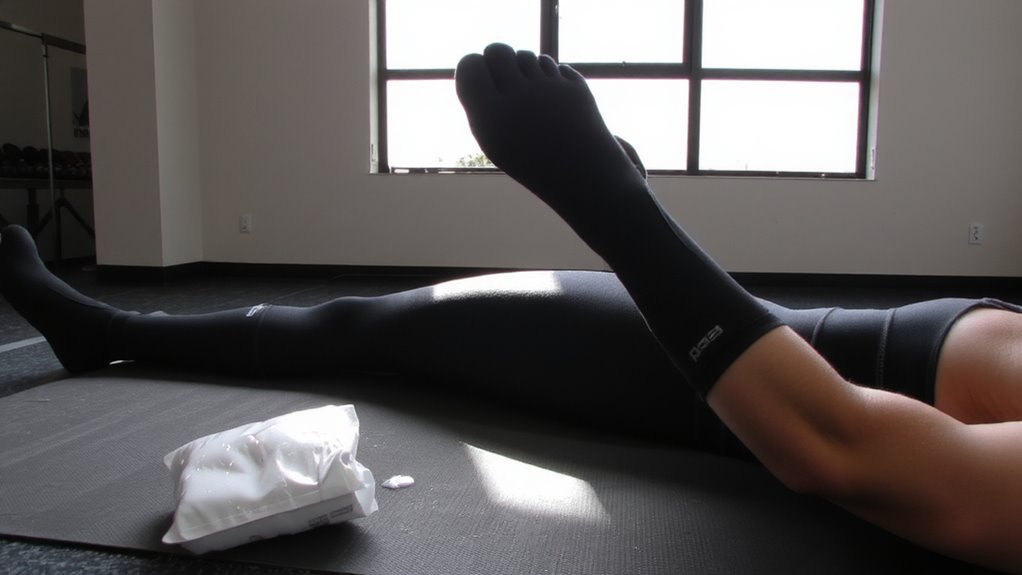
While you’re already investing time in workouts, adding compression garments to your recovery routine could make a noticeable difference in how quickly your muscles bounce back. These garments apply graduated pressure, stabilizing muscle groups and reducing micro-vibrations that contribute to soreness. When paired with active recovery-like light cycling or walking-they enhance blood flow, supporting faster tissue repair. Studies suggest wearing them for several hours post-exercise yields ideal results, especially when combined with proper hydration, which sustains circulation and muscle function. Compression gear isn’t a standalone solution, but it complements smart recovery habits effectively. Modern designs use moisture-wicking, breathable fabrics that stay comfortable during extended wear, and most are machine washable for easy maintenance. Though individual results vary, many athletes report reduced delayed onset muscle soreness and improved readiness for subsequent training sessions. Used strategically, compression can be a practical tool in a well-rounded recovery plan. For optimal benefits, consider selecting from the best compression sleeves based on fit, material, and intended use.
How Compression Clears Metabolic Waste
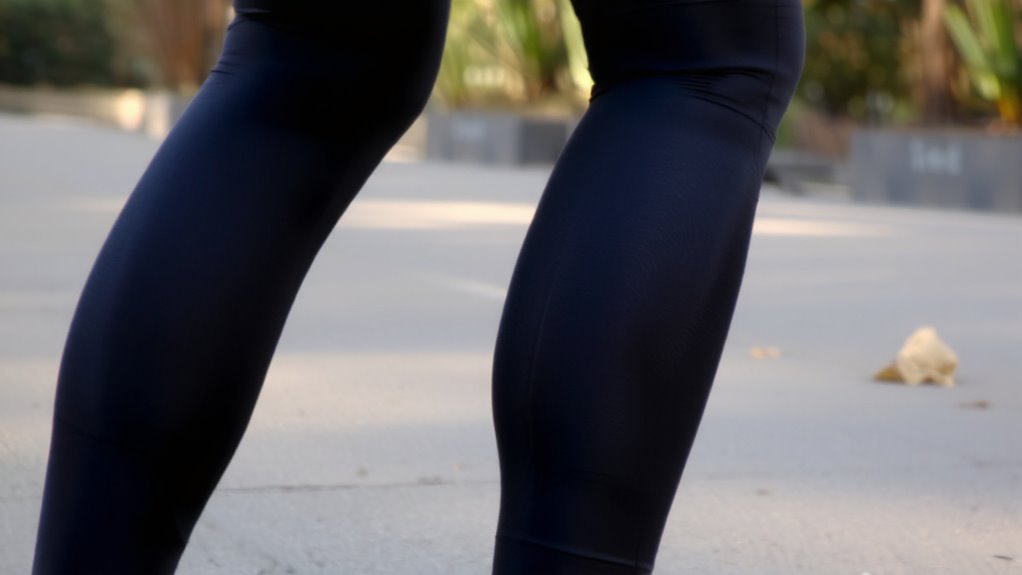
Compression garments don’t just reduce muscle soreness-they also play a key role in clearing metabolic waste built up during intense exercise. By applying graduated pressure, they boost blood circulation and support lymphatic drainage, helping shuttle lactic acid and other byproducts away from fatigued muscles. This mechanical assistance enhances recovery efficiency, especially when worn shortly after training. For those seeking advanced recovery support, investing in high-quality leg compression boots can significantly improve circulation and metabolic waste removal. Below is a breakdown of how compression influences key recovery mechanisms:
| Mechanism | Effect | Outcome |
|---|---|---|
| Graduated Pressure | Improves venous return | Enhanced blood circulation |
| Muscle Containment | Reduces oscillation damage | Less inflammation |
| External Support | Aids lymphatic drainage | Faster toxin removal |
| Consistent Fit | Maintains compression during movement | Sustained metabolic clearance |
| Material Elasticity | Guarantees durability and pressure retention | Long-term recovery performance |
You’re not just recovering-you’re optimizing the process.
Wear It When It Matters Most
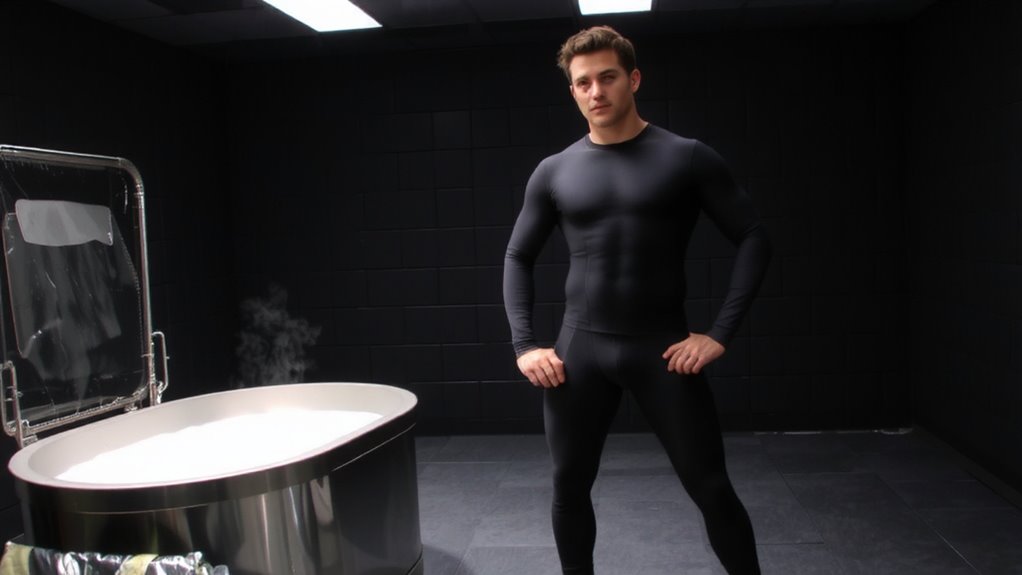
It’s not enough to own high-quality compression gear-you’ve got to use it at the right times to see real benefits. Timing consistency plays a critical role in maximizing metabolic waste clearance during recovery. You’ll get the best results when you wear compression immediately after intense exercise, when blood lactate and inflammation markers peak. Research shows the most effective duration ranges from 12 to 24 hours post-activity, depending on workout intensity. Skipping post-workout use or delaying application weakens the physiological advantages, even with premium garments. Consistent, timely use enhances venous return and reduces muscle oscillation, speeding up recovery. Don’t save your gear for rest days-use it when your muscles need it most. Your recovery isn’t just about rest; it’s about smart timing, daily habits, and commitment to the most effective duration. Wear it when it matters most, and your body will respond. For optimal results, consider using the best recovery sleeves as recommended by performance experts.
Choose the Right Compression Gear
A good compression garment does more than just hug your muscles-it’s designed to deliver targeted pressure that supports circulation, speeds recovery, and holds up to repeated use. You need to pay close attention to fabric type, as high-quality blends like nylon-spandex or polyester-elastane offer better moisture-wicking, durability, and consistent compression. Cheaper materials often lose elasticity after a few washes, reducing effectiveness. Fit level is just as essential-too tight and you’ll restrict blood flow, too loose and the benefits vanish. You want a snug, second-skin feel that stays in place without pinching. Look for graduated compression, stronger at the extremities and tapering upward, which helps push metabolic waste back toward the core. Always size according to your measurements, not your usual clothing size. Getting both fabric type and fit level right guarantees performance you can rely on, recovery you can feel, and gear that lasts.
Don’t Make These Compression Mistakes
Why do so many athletes end up frustrated with their recovery gear despite investing in top brands? The problem often lies in avoidable mistakes. You might be wearing compression garments with improper sizing, which undermines both comfort and effectiveness. If they’re too tight, you restrict blood flow; too loose, and you won’t get the graduated pressure needed for metabolic waste clearance. Another common error is exceeding the recommended overuse duration. Wearing compression for extended periods, especially while sedentary, can lead to skin irritation or reduced circulation. Evidence suggests ideal use is 1–4 hours post-exercise, not all day. You’re better off following manufacturer guidelines and pairing usage with movement to boost lymphatic drainage. Don’t assume more is better-precision in fit and timing maximizes recovery. Treat compression as a targeted tool, not a default state, and you’ll see measurable improvements in muscle recovery and performance.
On a final note
You’ll recover faster with compression garments when used correctly. They boost circulation, helping clear metabolic waste like lactate after intense workouts. Wear them during recovery phases, not just exercise, for best results. Choose properly fitted, graduated compression gear-too tight restricts, too loose does little. Avoid common errors like extended nighttime wear or ignoring hygiene. While not magic, they’re a practical tool backed by physiology. Used wisely, they enhance recovery effectively.