Understanding the Role of Antioxidants in Reducing Exercise-Induced Inflammation Response
Exercise causes microtears and oxidative stress, sparking a controlled inflammatory response. Antioxidants help by neutralizing free radicals, reducing soreness and supporting recovery. Whole foods like tart cherries and spinach offer effective, balanced support with added nutrients and fiber. While supplements exist, natural sources provide better synergy and fewer risks. Timing matters-wait 30 to 60 minutes post-workout to avoid blunting adaptation. Overuse can hinder gains, so moderation is key. There’s more to optimizing recovery than just antioxidants alone.
Notable Insights
- Exercise causes inflammation through muscle microtears and oxidative stress from free radicals.
- Antioxidants neutralize free radicals, reducing oxidative stress and supporting muscle recovery.
- Whole foods like tart cherries and spinach provide antioxidants that lower inflammation naturally.
- Timing antioxidant intake 30–60 minutes post-exercise optimizes recovery without blunting adaptation.
- High-dose supplements may impair long-term training gains by interfering with cellular signaling.
What Causes Inflammation After Exercise?

While your muscles adapt and grow stronger with each workout, the physical stress you place on your body during exercise actually triggers a controlled inflammatory response. This process begins when intense movement causes muscle microtears-tiny structural damages that signal repair mechanisms. Simultaneously, oxygen consumption spikes, leading to oxidative stress as free radicals accumulate faster than your body can neutralize them. Though often viewed negatively, this stress is essential for adaptation, prompting cells to strengthen and become more resilient. However, excessive inflammation without proper recovery can hinder performance and delay gains. This is where fitness recovery tools-like compression gear and foam rollers-play a supportive role, helping manage swelling and improve circulation. While not a substitute for rest, quality gear can enhance your body’s natural response. Understanding the balance between stress and recovery allows smarter training choices, making inflammation a tool, not a setback. Choosing the right foam roller density can significantly influence recovery effectiveness by matching pressure needs to muscle group sensitivity.
How Antioxidants Aid Post-Workout Recovery
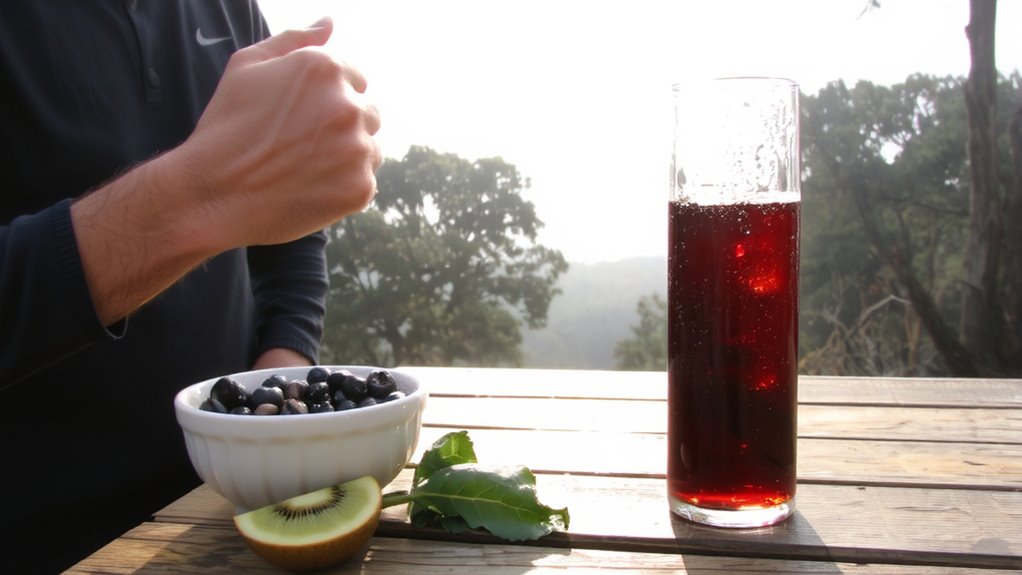
Your body handles post-workout stress with a mix of inflammation and repair, but that same process floods your system with free radicals-unstable molecules from increased oxygen use during exercise. These free radicals contribute to oxidative stress, which can slow your recovery if left unchecked. Antioxidants step in to neutralize them, reducing cellular damage and supporting faster cellular repair. You’ll notice less soreness and better performance over time when oxidative stress is managed effectively. While fitness gear like compression wear may help circulation, it doesn’t address the internal imbalance like antioxidants do. They work at the molecular level, complementing physical recovery tools. Supplements and smart nutrition offer practical support, but their effectiveness depends on timing and dosage. When combined with proper rest, antioxidants become a key part of a reliable recovery system, enhancing your body’s natural ability to bounce back stronger.
Best Antioxidant-Rich Foods for Muscle Recovery
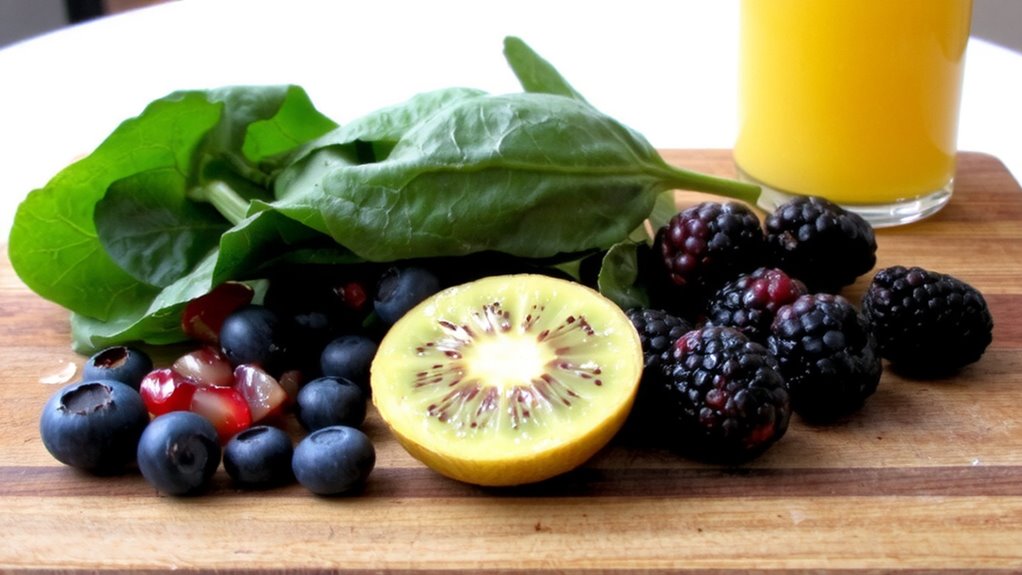
Recovery begins on your plate, and few tools are as effective as antioxidant-rich foods when repairing muscle after intense training. You’ll benefit most from whole sources like tart cherries and dark chocolate, both backed by research for reducing inflammation and soreness. Tart cherries offer anthocyanins that help lower oxidative stress, while dark chocolate delivers flavonoids that support circulation and recovery.
| Food Source | Key Antioxidant |
|---|---|
| Tart cherries | Anthocyanins |
| Dark chocolate | Flavonoids |
| Spinach | Lutein and beta-carotene |
Including these foods regularly enhances your recovery rhythm without relying on synthetic aids. They’re practical, palatable, and perform well under the demands of frequent training.
Whole Foods vs. Supplements: Which Is Better for Recovery
Though supplements promise quick fixes with concentrated doses of antioxidants, whole foods generally deliver more balanced and effective support for post-exercise recovery. You benefit more from the natural nutrient density found in fruits, vegetables, nuts, and seeds than from isolated compounds in pills. These whole foods offer food synergy-the interaction of nutrients that enhances absorption and function beyond what single ingredients can do alone. For instance, vitamin C in oranges boosts the effectiveness of flavonoids present in the same fruit, creating a more powerful anti-inflammatory response. While supplements may seem convenient, they can’t replicate the complex networks of phytochemicals and co-factors in real food. Plus, whole foods provide fiber, healthy fats, and sustained energy-crucial for recovery. Prioritizing nutrient-rich meals supports long-term performance and health better than relying on capsules.
Best Time to Take Antioxidants After Exercise
Timing matters just as much as source when it comes to antioxidants and recovery. You’ll want to focus on key timing windows-ideally within 30 to 60 minutes post-exercise-when your body is most receptive to nutrient uptake. This window helps neutralize free radicals efficiently and may reduce oxidative stress before inflammation escalates. Research suggests taking antioxidants too soon, though, could interfere with training adaptations, so delaying intake by even 30 minutes can strike a balance. Dosage levels also play a critical role; megadoses aren’t better and might blunt beneficial cellular responses. A moderate dose from whole foods or well-formulated supplements typically offers ideal support. For consistent results, pair antioxidant intake with proper hydration and recovery gear like compression wear, which aids circulation. Aligning timing windows and appropriate dosage levels maximizes recovery without undermining your fitness gains.
When Antioxidants Do More Harm Than Good
While antioxidants are widely praised for their role in reducing exercise-induced damage, there’s a point at which they can actually hinder your progress instead of helping it. Taking high doses right after every workout may blunt the body’s natural adaptation signals, weakening long-term gains in strength and endurance. Excessive intake increases overtraining risks by masking fatigue, pushing you to train harder without adequate recovery. It can also lead to immune suppression, leaving you more vulnerable to illness, especially during intense training phases. Your body needs some oxidative stress to build resilience-constant neutralization disrupts that balance. Think of antioxidants as a recovery tool, not a fix-all supplement. Used strategically-like after extreme sessions or during high-stress periods-they support health. But daily megadoses? That’s counterproductive. Moderation and timing are key for ideal fitness recovery.
On a final note
You’ll find antioxidants helpful for managing exercise-induced inflammation, but timing and source matter. Whole foods like berries and leafy greens offer balanced nutrition and effective recovery support without the risks high-dose supplements sometimes pose. While recovery gear like compression tools can enhance blood flow, pairing them with smart dietary choices boosts results. Overusing antioxidant supplements, though, might weaken training adaptations. You’re better off relying on natural intake, unless deficiencies exist, to sustain long-term fitness gains and ideal muscle function.