The Role of Vitamin E Supplementation in Mitigating Post-Exercise Inflammation Response
You experience less post-exercise inflammation with vitamin E because it neutralizes free radicals that worsen muscle damage. It protects cell membranes and supports recovery, especially after intense workouts. Studies show reduced sore到处 and lower creatine kinase levels with consistent use. Older athletes and smokers benefit most. While food sources like nuts and seeds are safest, high-dose supplements may interfere with adaptation. Pairing vitamin E with healthy fats post-workout boosts effectiveness-there’s more to think about regarding timing and synergy.
Notable Insights
- Vitamin E reduces post-exercise inflammation by neutralizing free radicals that cause oxidative stress and muscle damage.
- It protects cell membranes from lipid peroxidation, preserving muscle integrity during recovery.
- Supplementation may decrease delayed onset muscle soreness (DOMS) and fatigue, especially 24–72 hours post-exercise.
- Older athletes and smokers benefit most due to higher oxidative stress and reduced natural antioxidant defenses.
- Whole food sources like almonds and spinach provide safe, bioavailable vitamin E; 15 mg daily post-exercise is ideal.
What Causes Post-Exercise Inflammation?

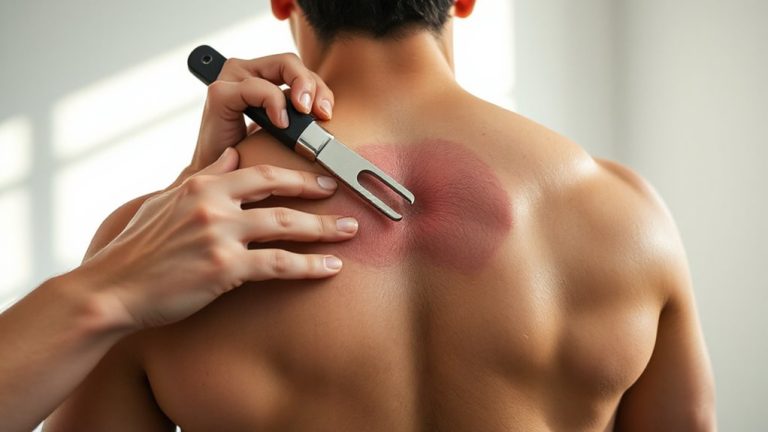
Muscle soreness after a tough workout isn’t just a sign of effort-it’s evidence of inflammation, a natural biological response triggered when exercise causes microscopic damage to muscle fibers. You create muscle microtears during intense activity, especially resistance or endurance training, and your body responds by activating immune cells to repair the tissue. This process, while necessary for strength and growth, also generates oxidative stress-accumulated free radicals that can prolong recovery if left unchecked. These reactive molecules damage nearby cells and amplify inflammation, delaying your readiness for the next session. Fitness recovery isn’t just about rest; it’s about managing these internal stressors effectively. While quality gear like compression wear may support circulation, it doesn’t address the cellular side of recovery. That’s where internal defenses, including antioxidants, become critical in neutralizing oxidative stress and supporting tissue repair after muscle microtears occur.
How Does Vitamin E Reduce Exercise-Related Inflammation?

You’re already aware that your body responds to intense training with inflammation and oxidative stress, both of which play a role in how quickly you bounce back. Vitamin E helps by leveraging its antioxidant properties to neutralize free radicals produced during exercise. These unstable molecules, if left unchecked, damage lipids in cell membranes, undermining cellular protection and delaying recovery. By integrating into lipid-rich environments, vitamin E intercepts oxidative chain reactions, preserving membrane integrity. This action doesn’t eliminate inflammation-which is a necessary part of adaptation-but it moderates excessive damage. Think of it like a recovery aid that supports your body’s natural processes, similar to how quality fitness gear protects against physical wear. While not a standalone solution, its role in reducing oxidative strain makes it a sensible addition to a recovery-focused regimen, especially under prolonged or high-intensity training loads.
What Do Studies Say About Vitamin E and Muscle Soreness?

Why do elite runners and strength athletes alike reach for vitamin E after grueling sessions? Research suggests it helps reduce delayed onset muscle soreness (DOMS) by neutralizing free radicals produced during intense exercise. You’ll find that consistent supplementation may decrease muscle fatigue, letting you train harder with less discomfort. Studies show those taking vitamin E report lower soreness levels 24–72 hours post-workout, which can shorten recovery time considerably. While results aren’t universal-some trials show modest effects-larger doses over several weeks tend to yield better outcomes. It’s not a magic fix, but paired with proper nutrition and rest, vitamin E supports smoother recovery. You shouldn’t rely on it alone, but as part of a broader recovery strategy, it proves valuable. Always consider quality when choosing supplements-look for natural forms like d-alpha-tocopherol for maximum absorption.
Who Benefits Most From Vitamin E After Exercise?
While vitamin E’s role in reducing post-exercise soreness is well-documented, its benefits aren’t spread evenly across all athletes. You’ll likely see the biggest gains if you’re an athlete over 50, as aging reduces your body’s natural antioxidant defenses, making supplementation more impactful. Older muscles also recover slower, and vitamin E helps temper inflammation that prolongs soreness. Smokers, too, benefit markedly-cigarette smoke depletes vitamin E levels and increases oxidative stress, so supplementing helps restore balance and protect muscle tissue after exertion. If you fall into either group, vitamin E isn’t just supportive; it’s a recovery necessity. Younger, non-smoking athletes may still benefit, but the effects are less pronounced. For best results, pair supplementation with proper hydration and recovery-focused gear like compression wear, which together enhance circulation and repair.
Are High-Dose Vitamin E Supplements Safe?
Could popping high-dose vitamin E supplements really be safe, especially when you’re pushing your body through intense training? While vitamin E combats oxidative stress, high doses may disrupt your body’s balance. Studies suggest possible risks when taken long term, including increased bleeding risk and interference with other antioxidants. The long term safety of megadoses remains unclear, and some trials link them to slightly higher mortality. You’re better off sticking to recommended levels unless advised otherwise.
| Benefit | Risk |
|---|---|
| Reduces oxidative stress post-exercise | May impair muscle adaptation |
| Supports immune function | Long term safety concerns at high doses |
Supplements aren’t always more effective-sometimes, more isn’t better. Your recovery plan should prioritize balance, not overload.
Vitamin E in Food vs. Supplements for Inflammation
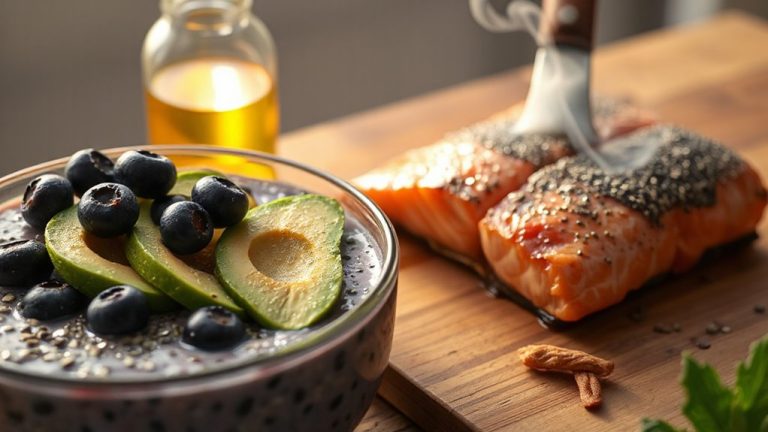
Though you might be tempted to reach for a supplement bottle when soreness hits, getting your vitamin E from whole foods often delivers better-balanced support for post-exercise inflammation. Natural sources like almonds, spinach, and sunflower seeds provide not just vitamin E but also synergistic antioxidants and phytonutrients that enhance the body’s response to oxidative stress. Unlike isolated supplements, these foods support a more effective and sustained anti-inflammatory effect through improved bioavailability and metabolic coordination. Your dietary intake from whole foods typically avoids the risks tied to high-dose supplements while still meeting physiological needs. Research suggests that consistent consumption of vitamin E-rich foods modulates inflammatory markers more gently and safely. While supplements can fill gaps, they shouldn’t replace the nutritional complexity found in natural sources. For long-term recovery and immune function, prioritizing dietary intake over synthetic forms makes both practical and health-based sense.
How to Use Vitamin E for Faster Post-Workout Recovery
What if you could cut down muscle soreness and speed up recovery with a simple tweak to your post-workout routine? Adding vitamin E might be that tweak. To maximize benefits, pay attention to ideal timing-taking it within 30 minutes after exercise helps neutralize free radicals when oxidative stress peaks. Your body absorbs it best when paired with a meal containing healthy fats. For dosage frequency, aim for the recommended daily allowance, around 15 mg, unless advised otherwise. Consistent, moderate intake works better than sporadic high doses, which can interfere with other antioxidants. While fitness gear like compression wear supports physical recovery, vitamin E addresses inflammation at the cellular level. Think of it as internal support for your external efforts. Though not a magic fix, when combined with solid nutrition and rest, vitamin E plays a measurable role in faster recovery. Stick with food sources first, but supplements can help fill gaps-just don’t overdo it.
On a final note
You should consider vitamin E supplementation as a practical tool for managing post-exercise inflammation, especially if you engage in intense or endurance training. Studies suggest it can reduce oxidative stress and muscle soreness, though results vary. Food sources like nuts and spinach offer safer, balanced intake. High-dose supplements may pose risks, so moderation matters. Used wisely, vitamin E supports recovery alongside proper gear and rest, enhancing performance over time without overreliance on artificial aids.