Understanding the Impact of Electrolyte Balance on Post-Exercise Recovery Quality
You lose key electrolytes like sodium, potassium, and magnesium when you sweat, which hampers nerve signaling, muscle function, and cellular hydration. Without replenishment, fatigue, cramps, and poor recovery can persist despite adequate rest. Balancing these ions supports fluid regulation, pH stability, and tissue repair-critical for effective recovery. Coconut water, bananas, and yogurt offer natural, practical sources. Replenishing properly doesn’t just restore balance-it optimizes readiness for your next session, something smart training regimens prioritize. Your next step reveals how timing and choices shape results.
Notable Insights
- Electrolytes support nerve signaling and muscle function, crucial for effective post-exercise recovery.
- Sweat depletes sodium and other electrolytes, impairing hydration and cellular function if not replenished.
- Electrolyte imbalance can cause fatigue, cramps, and dizziness, delaying recovery and reducing performance.
- Magnesium and potassium aid muscle repair, enzyme activity, and fluid balance after physical exertion.
- Natural sources like coconut water and bananas help restore electrolytes and optimize recovery quality.
What Electrolytes Do for Recovery
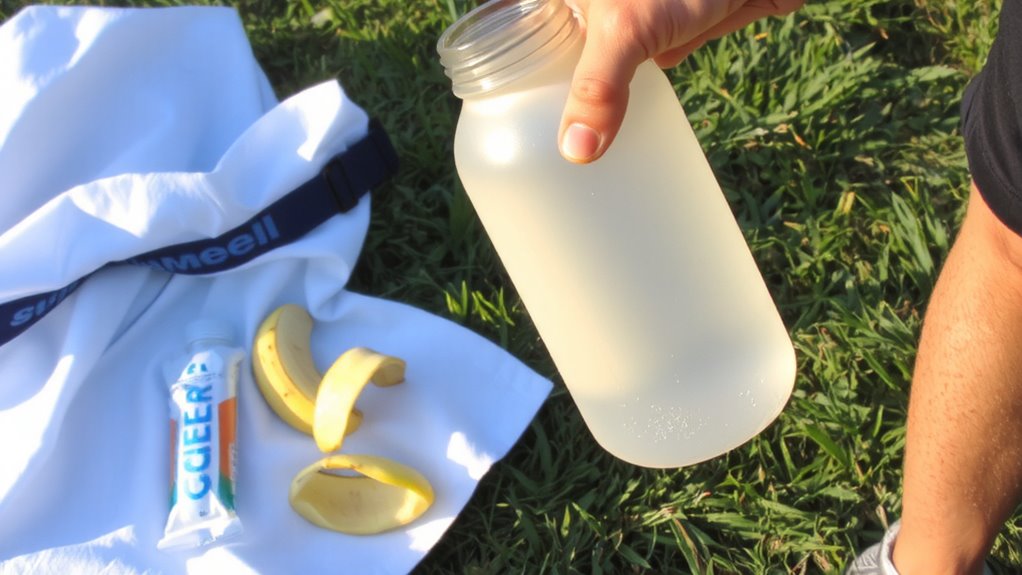
While you’re focused on crushing your next workout, it’s easy to overlook what happens in the recovery phase-yet that’s exactly where electrolytes make a critical difference. They’re not just for preventing cramps; they support essential functions like electrolyte signaling, helping your nerves communicate and muscles contract efficiently post-exercise. Without proper balance, your body struggles to restore equilibrium, slowing recovery. Equally important is cellular hydration-electrolytes like sodium and potassium regulate fluid movement, ensuring cells absorb what they need to repair and function. Recovery-optimized hydration gear, such as smart bottles with electrolyte tracking, enhances this process by promoting consistent intake. While many fitness tools overpromise, devices that support electrolyte replenishment deliver measurable value. They’re practical, science-backed, and especially useful in demanding training regimens. Investing in recovery means recognizing that performance isn’t just built in motion-it’s rebuilt at rest, with the right ionic support.
How Sweating Depletes Your Electrolytes
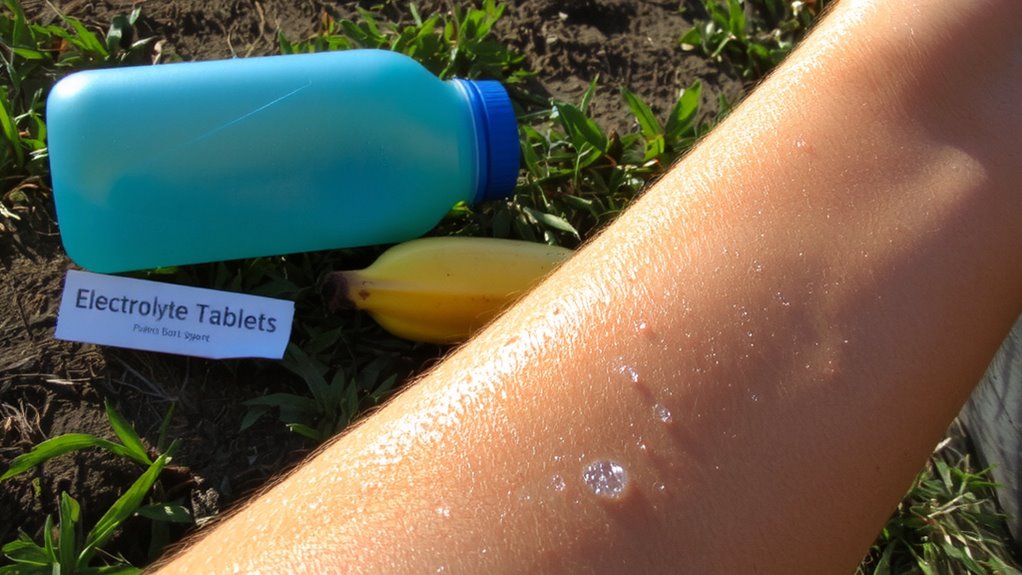
Sweat’s more than just water-it’s a salty cocktail of essential electrolytes your body loses with every drop. When you train hard, especially in heat, you’re not just losing fluid-you’re triggering significant sodium loss, the most critical electrolyte in maintaining hydration and nerve function. As sodium leaves through sweat, it disrupts normal fluid shifts between your cells and bloodstream, potentially impairing muscle response and recovery speed. This imbalance can compromise your body’s ability to regulate temperature and sustain performance in subsequent workouts. While fitness gear like moisture-wicking apparel helps manage sweat, it doesn’t prevent electrolyte depletion. Relying solely on water post-exercise may dilute remaining sodium levels, worsening the imbalance. That’s why structured rehydration-using drinks with balanced electrolyte profiles-outperforms plain water. Smart recovery isn’t just about replacing volume; it’s about restoring the precise mineral composition your body needs to function ideally post-exercise.
Signs You’re Low on Post-Workout Electrolytes
Could your fatigue after a tough workout actually be a sign of something deeper? It might. When you’re low on post-workout electrolytes, your body sends clear signals. Fatigue that lingers longer than usual-beyond normal muscle soreness-is a key warning. You might also experience headaches, often due to sodium and magnesium imbalances affecting hydration and nerve function. Muscle cramps or dizziness can follow, but fatigue and headaches are among the first indicators. These symptoms suggest your electrolyte levels, especially sodium, potassium, and magnesium, haven’t been adequately replenished. Ignoring them can impair recovery quality and diminish your next workout’s performance. Fitness recovery isn’t just about rest or protein-it hinges on mineral balance. Even high-end fitness gear won’t compensate for internal deficits. Recognizing these signs early helps maintain consistency, especially in intense training cycles.
How Electrolytes Aid Muscle Recovery
Even if you’ve nailed your post-workout protein intake and gotten plenty of rest, skimping on electrolytes can still slow your muscle recovery. These minerals-like sodium, potassium, and magnesium-are essential for proper nerve signaling, which controls muscle contractions. Without enough, your nerves can misfire, leading to muscle cramping and delayed repair. Magnesium especially supports enzyme activity involved in rebuilding muscle tissue, while potassium helps regulate fluid balance and cellular function. Electrolytes also maintain ideal pH levels, reducing fatigue and supporting faster recovery. When your body’s electrolyte levels dip, you’re more likely to feel sore and weak, even after light training. Skimping on replenishment undermines the work you’ve put into recovery gear and routines. Ensuring balanced levels doesn’t just prevent cramping-it actively enhances muscle function. So, while compression gear and recovery tools help, they can’t fix internal imbalances.
Best Foods and Drinks to Replenish Electrolytes
What if the key to faster recovery isn’t another high-tech sports drink but the foods already in your kitchen? You don’t always need expensive fitness gear or lab-made supplements-nature’s options work just as well. Coconut water benefits include rich potassium content and natural hydration, making it a smart, low-sugar alternative to processed drinks. It replenishes sodium and magnesium lost through sweat without artificial additives. Then there’s the banana nutrient profile: high in potassium, with solid amounts of magnesium and carbs to restore glycogen. It’s portable, affordable, and easy to digest post-workout. Dairy products like yogurt offer calcium and sodium, while leafy greens provide magnesium. Even a simple snack of peanut butter on whole grain toast delivers sodium, potassium, and sustained energy. These real foods support recovery effectively, often outperforming synthetic choices in both nutrition and long-term health impact.
When & How Much to Replenish
While your body starts recovering the moment you finish exercising, the first 30 to 60 minutes post-workout are when replenishing electrolytes makes the biggest difference. Your muscles absorb nutrients more efficiently during this window, making timing strategies essential for best recovery. If you’re doing intense or prolonged exercise, especially in heat, you’ll need more than water-sodium, potassium, and magnesium losses must be replaced. Dosage guidelines suggest 200–500 mg of sodium and 100–200 mg of potassium per liter of fluid, depending on sweat rate. For most, a balanced recovery drink or snack meets these needs without overloading your system. Delaying replenishment can lead to cramps, fatigue, or prolonged recovery. Smart timing and proper dosage don’t just support hydration-they enhance muscle function and readiness for your next session. Always match intake to your output; wearable fitness gear that tracks sweat loss can help you personalize your approach effectively.
On a final note
You need electrolytes to recover well after exercise, and sweat losses can disrupt balance fast. Replenishing them helps maintain nerve function, prevent cramps, and speed muscle repair. While sports drinks work, whole foods like bananas and yogurt offer effective, natural options. Timing matters-refuel within 60 minutes post-workout. Quality recovery gear, like hydration trackers or smart bottles, supports consistency, but they’re not essential. Practical choices beat gadgets when backed by sound habits.