Strategies for Using Music Therapy to Enhance Psychological Aspects of Recovery
You can strengthen your recovery by working with a certified music therapist who tailors interventions using rhythm and melody to regulate your nervous system. Music helps process buried emotions and reduces anxiety by activating memory and emotion centers in the brain. Match songs to your goals-like resilience or calm-and use playlists to align with your mood. Creating music and reflecting on it deepens self-awareness, especially when combined with mindfulness. There’s more to discover about refining this practice for lasting results.
Notable Insights
- Work with a certified music therapist to ensure evidence-based, individualized interventions and maintain therapeutic safety.
- Use music to access buried emotions, regulate mood, and support neural processing during recovery.
- Select songs intentionally that align with recovery goals like resilience, hope, or trauma processing.
- Create mood-regulating playlists matched to emotional states using tempo, rhythm, and lyrical content.
- Engage in music creation and reflective practice to express emotions and increase self-awareness.
Work With A Certified Music Therapist
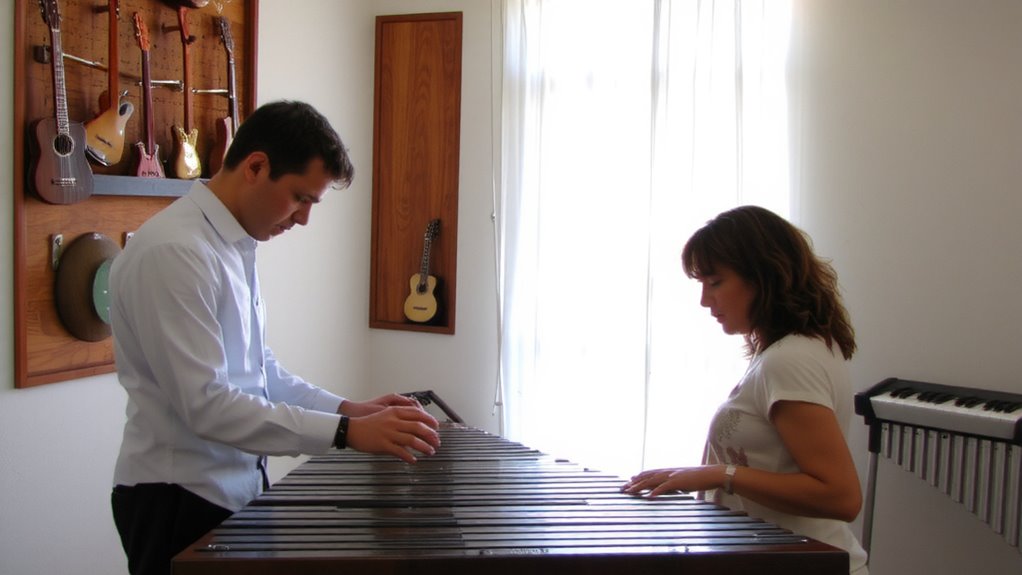
A qualified music therapist brings specialized training to your recovery journey, making a noticeable difference in how effectively music supports healing. You benefit from their understanding of both psychological dynamics and musical application, guaranteeing interventions are evidence-based and tailored. Building strong client rapport is essential-they listen closely, adapt to your emotional state, and foster trust that deepens therapeutic impact. At the same time, they maintain clear therapeutic boundaries, keeping the focus on your growth without crossing into personal relationships. This balance enhances safety and consistency, vital when addressing complex emotional landscapes in recovery. Unlike informal music use, certified professionals follow ethical guidelines and clinical protocols, adjusting sessions based on your progress. Their training ensures they don’t just play music-they assess, plan, and document outcomes. You’re not just listening; you’re engaging in a structured, intentional process designed to support lasting psychological resilience and emotional regulation through music’s targeted use.
Start With How Music Heals Emotions In Recovery

Music carries a quiet power in recovery, reaching parts of the mind that words alone often can’t touch. When you listen to or create music, it sparks emotional resonance, helping you access and express feelings that might otherwise stay buried. This isn’t just soothing-it’s therapeutic. Music activates brain regions tied to memory and emotion, making it a valuable tool in trauma processing. Rhythmic patterns and melodic structures can regulate your nervous system, easing symptoms of anxiety or depression common in recovery. You’re not just hearing notes-you’re engaging in a biologically grounded process that fosters safety and self-awareness. Unlike passive distractions, music therapy promotes active emotional engagement, letting you reframe painful experiences. The right song at the right time can validate your struggle, lessen isolation, and build inner strength. It meets you where you are, guiding you forward with rhythm, harmony, and the deep pull of emotional resonance.
Match Songs To Your Recovery Goals
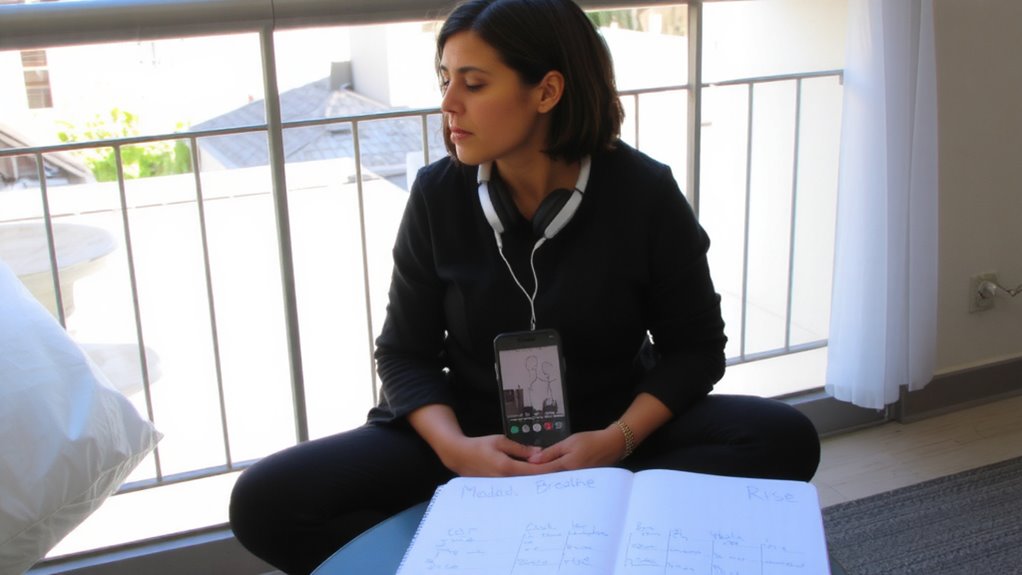
How do you choose the right song when your recovery hinges on more than just tempo or lyrics? You need intentional song pairing that aligns with your specific recovery goals. It’s not just about what sounds good-it’s about what supports emotional resonance and psychological progress. A track that mirrors your journey can reinforce resilience, while one mismatched can stall momentum. Select songs that reflect the mood or mindset you’re working toward: peace, strength, hope. This isn’t passive listening; it’s strategic. When lyrics and melody evoke genuine emotional resonance, music becomes a tool for reprocessing trauma and building self-awareness. You’re not just hearing a song-you’re engaging with it therapeutically. Effective song pairing considers both content and personal significance. By matching music to your psychological targets, you create a tailored experience that amplifies healing and keeps you anchored to your recovery path with clarity and purpose.
Use Playlists To Regulate Mood And Energy
Why do certain playlists pull you out of a slump while others leave you flat? It comes down to intentional mood tracking and energy alignment. When you design playlists with purpose, matching tempo, rhythm, and lyrics to your current emotional state, you gain control over your psychological shifts. Upbeat tracks with strong beats can elevate low energy, while slower, melodic tunes help calm an overactive mind. Tracking your moods before and after listening helps identify what works, refining your selections over time. Unlike random playback, curated playlists support consistent energy alignment, making them effective tools in recovery. They’re not just background noise-they’re structured auditory support. Used regularly, they stabilize mood fluctuations and enhance focus. The right sequence of songs becomes a predictable, comforting routine, offering psychological stability when you need it most-without relying on words alone.
Make Music To Process Hidden Emotions
Creating your own music offers a direct channel to emotions that words alone often fail to reach, especially during fitness recovery when the body and mind are recalibrating. Songwriting becomes a tool for songwriting catharsis, letting you express hidden frustrations, fears, or hopes tangled in the recovery process. You don’t need professional gear-just a voice, an instrument, or an app-to begin. The act of shaping sound fosters emotional resonance, aligning inner feelings with creative output. This isn’t about musical perfection; it’s about honest expression. Studies show that self-composed music activates brain regions tied to emotion regulation and memory, supporting psychological healing. When you make music regularly, you create a reflective space that tracks your emotional shifts over time. It complements physical rehabilitation by addressing the mental weight recovery carries. Simple recording tools or digital audio workstations make the process accessible, low-cost, and personal.
Pair Music Therapy With Mindfulness
Where does the quiet power of healing truly begin-through movement, sound, or stillness? With music therapy and mindfulness, you’re not choosing one-you’re weaving them together. When you engage in guided listening, you focus deeply on each note, rhythm, and pause, grounding yourself in the present moment. This practice enhances emotional anchoring, helping you stay connected to your feelings without reacting impulsively. Mindfulness sharpens your awareness, making music therapy more effective by reducing mental clutter. You’re not just hearing music-you’re feeling its texture, letting it mirror your internal state. Over time, this pairing builds resilience, offering a structured yet flexible approach to recovery. Unlike passive listening, this method demands gentle focus, turning sound into a tool for insight. Combined, they support psychological balance, making mindfulness not just an add-on, but an essential amplifier of music’s therapeutic impact.
Notice Changes By Reflecting On What You Hear
You’ve already begun tuning into the subtle layers of sound through mindful listening, letting each note guide your awareness inward. Now, reflection deepens that practice. When you take time to notice changes in what you hear-shifts in tempo, tone, or intensity-you build greater auditory awareness. This skill helps you detect patterns in your emotional resonance, revealing how certain melodies or rhythms affect your mood and mental state. You might find a low, steady drumbeat grounds you, while dissonant chords trigger tension. These aren’t random reactions; they’re meaningful responses worth recording. Over time, tracking these reactions allows you to tailor music choices more effectively for recovery. It’s not just about what you listen to, but how you interpret its impact. Developing this reflective habit strengthens self-insight, making music therapy a more precise, personal tool. Consistent reflection turns passive listening into active psychological support.
On a final note
You’ll find that music therapy strengthens recovery by aligning rhythm and emotion with healing goals. Working with a certified therapist guarantees evidence-based techniques target stress, mood, and cognitive function effectively. Personalized playlists and active music-making regulate energy and uncover hidden feelings, while pairing sound with mindfulness deepens self-awareness. Over time, consistent use sharpens emotional resilience, making music not just supportive, but a strategic tool in sustained psychological recovery.