The Role of Topical Creams in Reducing Symptoms of Delayed Onset Muscle Soreness
You can reduce DOMS symptoms effectively with topical creams containing menthol and arnica. These ingredients work fast, calming inflammation and interrupting pain signals within minutes of application. Menthol cools, distracting your nervous system from deeper soreness, while arnica fights the swelling tied to muscle stress. Applied soon after exercise, they enhance recovery with minimal systemic impact. For best results, combine them with movement and proper hydration-there’s more to discover about optimizing your recovery stack.
Notable Insights
- Topical creams with menthol from peppermint oil provide cooling relief and reduce pain perception in sore muscles.
- Arnica extract in creams helps decrease inflammation and swelling associated with delayed onset muscle soreness.
- Active ingredients in creams absorb quickly, offering targeted relief within minutes of application.
- Applying cream with massage-like motions post-exercise enhances circulation and ingredient penetration.
- Topical creams work best when combined with hydration, active recovery, and other recovery methods.
What Causes Delayed Onset Muscle Soreness?
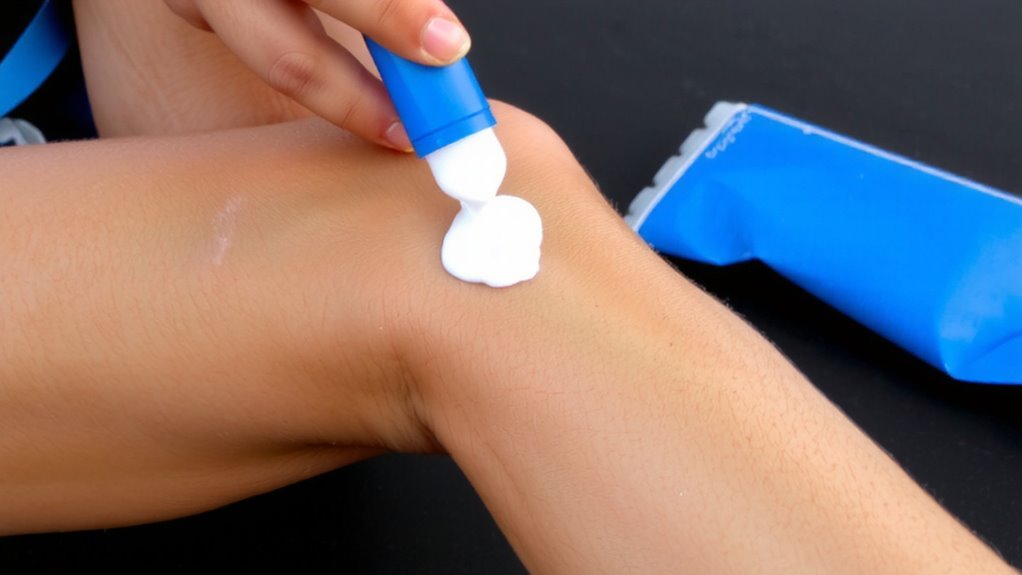
While you might expect sore muscles to show up right after a tough workout, delayed onset muscle soreness (DOMS) usually kicks in 12 to 24 hours later, peaking around the 48-hour mark. You’re not feeling lactic acid buildup-that clears within an hour post-exercise. Instead, DOMS stems from microscopic muscle damage caused by intense or unfamiliar exercise, triggering muscle inflammation. This inflammation, while uncomfortable, is part of how your body adapts and grows stronger. Contrary to old beliefs, lactic acid isn’t the culprit here; it’s the structural stress on muscle fibers that leads to soreness. Fitness recovery isn’t just about rest-it’s about understanding these physiological responses. Recovery gear like compression wear may help manage symptoms, but you can’t skip the biological process. Recognizing inflammation as a natural signal-not a flaw-helps you train smarter, not harder, and rely less on myths about toxins or acid accumulation.
Best Ingredients in Topical Creams for DOMS Relief
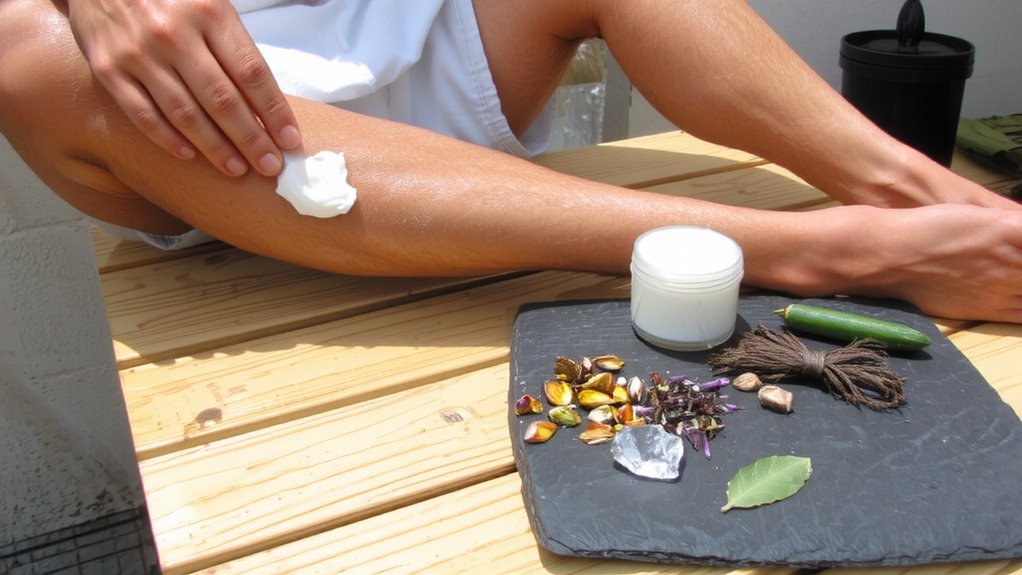
Pain relief starts with what you put on your skin. You’ll want ingredients proven to soothe and support recovery. Peppermint oil is a standout-it delivers a cooling sensation that eases discomfort fast, thanks to its menthol content. It doesn’t just feel good; studies show it helps reduce pain perception when applied topically. Then there’s Arnica extract, a well-regarded anti-inflammatory derived from mountain plants. Clinical trials suggest it helps minimize soreness and swelling, especially when used consistently after intense workouts. Together, these ingredients form a powerful duo in quality creams. You’re not just masking pain-you’re targeting its causes. Look for formulations where they appear high on the ingredient list, indicating effective concentrations. While individual results vary, products combining Peppermint oil and Arnica extract often outperform basic lotions. They’re a smart addition to any recovery routine, especially if you train hard and recover smarter. For enhanced relief, consider pairing these creams with the best muscle pain relief gear.
How Topical Creams Reduce Muscle Soreness
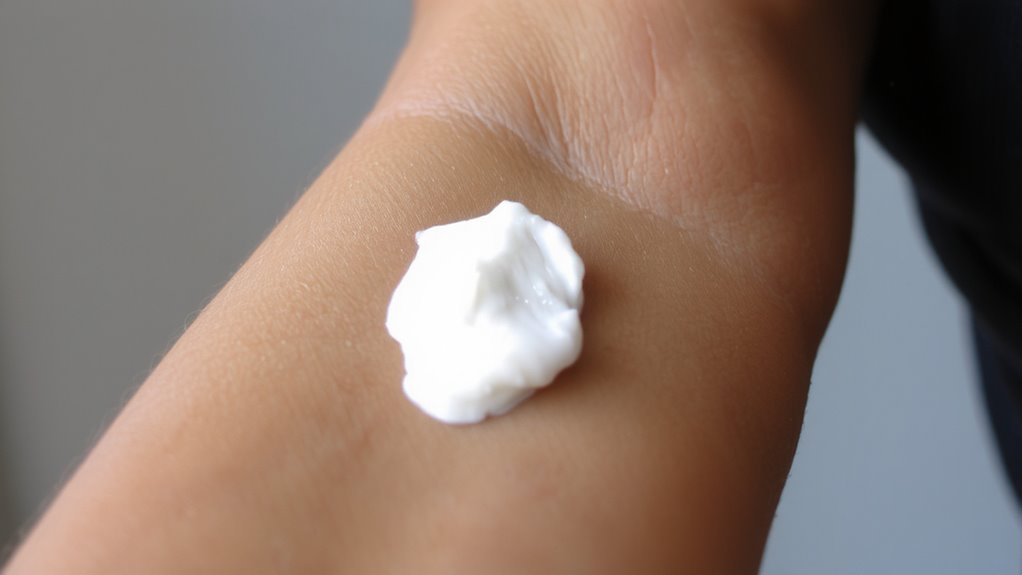
Cooling relief, deep penetration, and targeted action define how topical creams tackle muscle soreness. When you apply these creams, their active ingredients absorb through the skin, delivering pain relief exactly where you need it most. This targeted application minimizes systemic exposure while maximizing local effect, making it more efficient than oral medications for localized discomfort. Compounds like menthol or capsaicin stimulate nerve endings, creating counter-irritant effects that distract from deeper muscular aches. Others, like arnica or NSAID-based formulations, reduce inflammation at the site. You’ll often feel results within minutes, thanks to rapid absorption and optimized formula design. Though individual responses vary, most users report noticeable reductions in stiffness and tenderness. In real-world use, these creams perform well during recovery phases, especially after intense workouts. Their practicality and focused action make them a sensible addition to fitness recovery routines.
When and How to Use Creams for Faster Recovery
Since timing and application technique influence how well topical creams support muscle recovery, using them correctly can make a meaningful difference in your routine. Apply creams within 30 minutes post-exercise for best absorption, when blood flow is highest and muscles are most receptive. Use firm, circular motions during application-this mimics massage therapy, enhancing circulation and promoting deeper penetration. Don’t rush it; thorough rubbing boosts effectiveness more than quantity. Pair application with sufficient hydration levels, as well-hydrated tissues respond better to topical agents and recover faster. Reapply every 4–6 hours if soreness persists, but avoid overuse to prevent skin irritation. Store creams in a cool, dry place to maintain compound stability. When used consistently and correctly, these products integrate seamlessly into recovery protocols, supporting faster relief without relying solely on oral medications. Some effective OTC options contain botanical-based ingredients known for their natural anti-inflammatory properties.
Creams Vs. Other DOMS Recovery Methods: What Works Best?
While topical creams can offer targeted relief for sore muscles, you might wonder how they stack up against other recovery methods like ice baths, compression gear, or active recovery. Creams work quickly on surface pain, but methods like compression garments improve circulation and reduce swelling over time. Ice baths may ease inflammation, though they don’t address issues like electrolyte imbalance, which can worsen DOMS if fluids and minerals aren’t replenished. Active recovery, such as light cycling, boosts blood flow and helps clear metabolic waste, making it highly effective. Compression garments provide consistent support and can enhance recovery during rest or sleep. While creams are convenient and fast-acting, combining them with methods that tackle physiological factors-like circulation and hydration-offers better results. For long-term relief and performance, a multimodal approach beats relying on creams alone. Incorporating Top Sports Recovery Gear Picks can further optimize recovery by combining advanced tools with topical treatments.
On a final note
You’ll find topical creams can help ease DOMS symptoms, especially when they contain menthol, arnica, or NSAID-based ingredients. They work by increasing blood flow and interrupting pain signals, offering targeted relief. While not a standalone solution, they complement rest, hydration, and light recovery workouts. Compared to oral meds or cryotherapy, creams are lower risk but less potent. For best results, apply soon after exercise and reapply as needed.