Cellular Recovery Mechanisms Explained: The Role of Mitochondria in Post-Exertion Healing
Your cells need more than rest to recover - they rely on mitochondria to power healing after exercise. These cellular powerhouses boost ATP production, repair muscle micro-tears, and balance oxidative stress. Mitochondria also regulate inflammation and support nutrient transport, making them essential for effective recovery. While recovery gadgets promise results, they can’t match the impact of mitochondrial function. Proper hydration, nutrition, and timing do far more to restore your cells - and there’s a smarter way to fuel this process.
Notable Insights
- Mitochondria restore energy by producing ATP through oxidative phosphorylation after exercise depletes cellular resources.
- They regulate redox balance by boosting antioxidant defenses to neutralize exercise-induced free radicals.
- Mitochondrial dynamics like fusion and fission help repair or remove damaged mitochondria post-exertion.
- ATP from mitochondria fuels muscle repair by activating enzymes and transporting amino acids to damaged sites.
- Proper post-workout nutrition supports mitochondrial function, enhancing recovery and reducing oxidative stress.
What Your Cells Need After Exercise
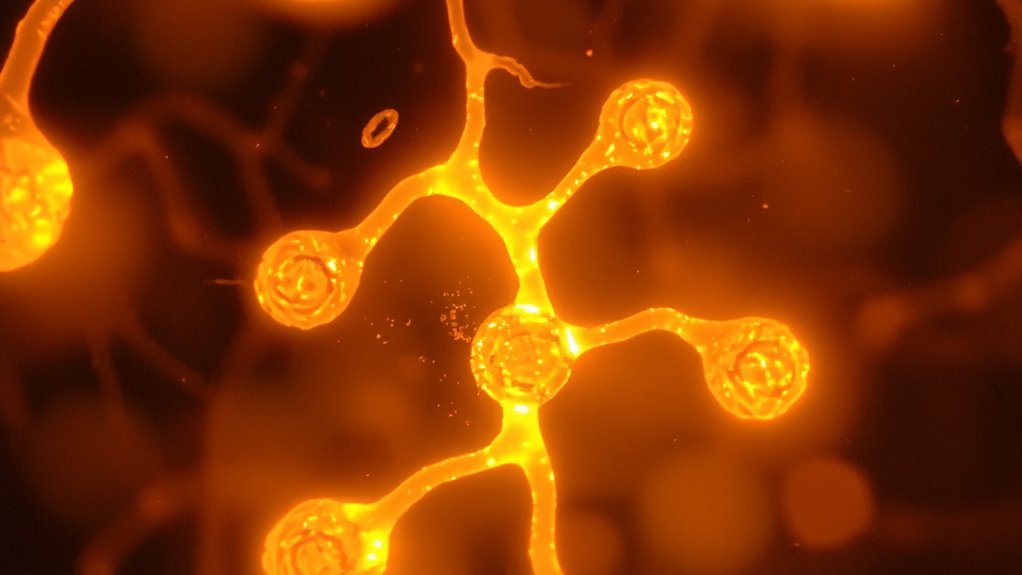
What do your cells really need once you’ve finished your workout? They’re depleted, slightly inflamed, and stressed from exertion. You need to restore cellular hydration quickly-water alone isn’t enough. Electrolytes help pull fluid into cells, supporting nutrient transport and waste removal. Without proper hydration at this level, recovery slows, and muscle soreness increases. Alongside hydration, you must address oxidative balance. Exercise boosts free radical production, and while some oxidative stress is normal, excess overwhelms your system and delays healing. Antioxidants from whole foods-like berries, nuts, and leafy greens-help neutralize this without blunting training adaptations. Recovery-focused gear like compression wear may aid circulation, but it can’t fix poor internal conditions. True recovery starts within: prioritize hydration and redox balance before relying on gadgets. Bottom line? Support your cells first-hydration and balance aren’t optional extras; they’re recovery essentials.
How Mitochondria Fuel Recovery

While your muscles may feel the burn after a tough session, it’s your mitochondria that shoulder the real workload during recovery, turning oxygen and nutrients into usable energy through oxidative phosphorylation. You rely on this process to replenish depleted resources, but it only works efficiently if your mitochondrial dynamics-fusion, fission, and turnover-are well-regulated. Balanced dynamics help damaged mitochondria repair or get removed, ensuring only high-functioning ones produce ATP. At the same time, maintaining oxidative balance is critical; too many free radicals without adequate antioxidants disrupts recovery and harms cells. Fitness gear like wearable recovery monitors can track physiological stress, helping you adjust training to support these internal processes. Though such tools don’t directly influence mitochondrial function, they provide feedback that, when combined with proper nutrition and rest, optimizes the cellular environment. Ultimately, your recovery isn’t just about rest-it’s about supporting the delicate biological equilibrium your mitochondria depend on.
Why ATP Repairs Muscle Faster
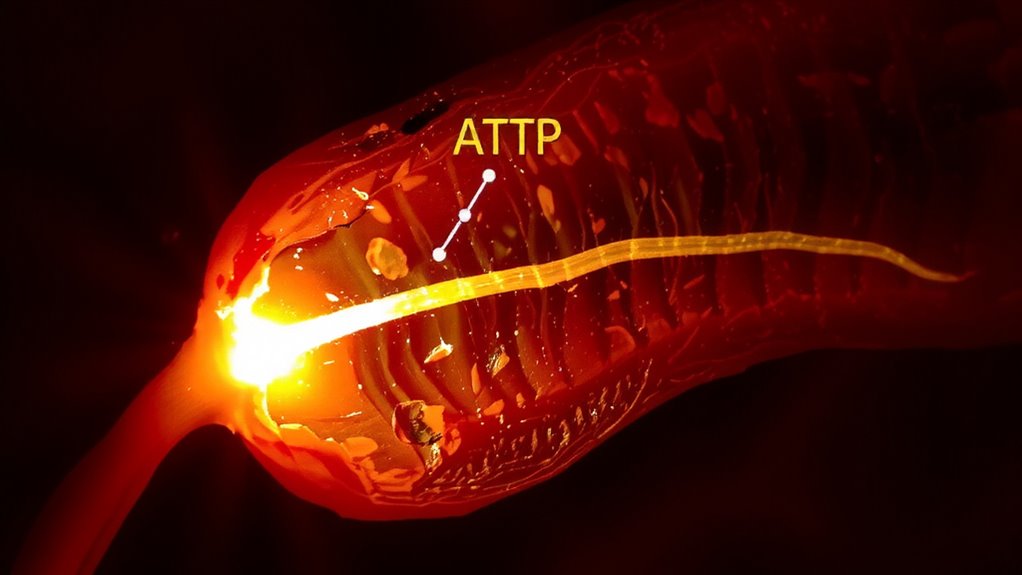
Your mitochondria keep the recovery engine running, but it’s ATP that puts the fuel to work repairing muscle tissue fast. Every time you contract a muscle during training, micro-tears form-ATP fuels the immediate repairs. Through ATP synthesis, your cells generate the precise energy needed to activate repair enzymes and shuttle amino acids to damaged sites. This energy allocation isn’t random; it’s prioritized toward tissue reconstruction and ion balance restoration. Without sufficient ATP, recovery slows, leaving you sore and weak. High-intensity workouts demand rapid ATP turnover, making efficient synthesis critical. Recovery gear like compression aids or cryotherapy devices may support circulation, but none replace ATP’s direct role. You can’t pour energy into cells like fuel into a tank-your body must produce it. That’s why mitochondrial health and swift ATP availability define how fast you bounce back. Prioritize both, and recovery becomes smarter, not just quicker.
How Mitochondria Reduce Post-Workout Stress
Because mitochondria manage energy production and cellular stability, they’re central to lowering post-workout stress, and you’ll feel the difference when your recovery stays on track. After intense exercise, your cells face oxidative damage from excess free radicals, but mitochondria help neutralize these threats by boosting antioxidant defenses. You’re not just repairing-you’re protecting. At the same time, mitochondria support inflammation control by regulating signaling pathways that calm immune responses, preventing excessive swelling and soreness. This balance is critical; too much inflammation slows recovery, but proper modulation speeds it. Think of mitochondria as smart responders: they don’t just react-they adapt, ensuring your cells return to equilibrium faster. In fitness recovery gear like compression tech or red light therapy devices, enhancing mitochondrial function is often the unspoken goal. When your mitochondria work efficiently, you’re not just recovering-you’re doing it smarter.
Exercise Builds Stronger Mitochondria
Though it might not be obvious right away, every time you push through a tough workout, you’re not just building muscle-you’re boosting your cellular power plants. Exercise triggers mitochondrial biogenesis, the process by which your cells create new mitochondria and enhance existing ones. This adaptation improves your muscles’ oxidative capacity, allowing them to produce energy more efficiently and sustain activity longer. Over time, consistent training means your mitochondria become denser, more interconnected, and better at managing energy demands. That’s why endurance athletes often show markedly higher mitochondrial volume in muscle tissue. You don’t need extreme workouts-moderate aerobic and resistance training are effective. The beauty is in the response: each session signals your body to prepare for future stress, making recovery faster and performance sharper. Stronger mitochondria mean better resilience, a key factor in long-term fitness gains.
Nutrition That Powers Mitochondrial Recovery
Fueling mitochondrial recovery starts on the plate, where specific nutrients act like precision tools for cellular repair. You need antioxidant support to combat exercise-induced oxidative stress, protecting your mitochondria from damage. Vitamins C and E, polyphenols, and glutathione precursors like N-acetylcysteine help maintain mitochondrial integrity. Don’t overlook nutrient timing-consuming protein and carbohydrates within 30 to 60 minutes post-workout optimizes ATP resynthesis and muscle glycogen replenishment. Pairing healthy fats, such as omega-3s, with meals also supports membrane fluidity and mitochondrial function. Micronutrients like magnesium and coenzyme Q10 are essential cofactors in energy production pathways. While fitness gear tracks performance, it’s your dietary choices that drive internal recovery. Consistent, strategic eating habits outperform any recovery gadget. You can’t supplement your way out of poor timing or low-quality intake. Real progress happens when nutrition aligns with physiology-supporting mitochondria isn’t flashy, but it’s foundational.
On a final note
You’ve pushed your limits, and now your cells are working hard to recover. Mitochondria don’t just power your muscles-they repair them, turning oxygen and nutrients into ATP that speeds healing. They adapt with every workout, becoming more efficient and resilient. Proper recovery isn’t passive; it’s a biological process you support with smart nutrition and rest. Good fitness gear helps monitor exertion, but real recovery happens within, where mitochondria turn effort into strength.