The Impact of Caffeine Timing on Athletic Mental Clarity and Recovery
You’ll stay sharp and focused when you time caffeine right-take 3–6 mg/kg about 60 minutes before training to hit peak mental clarity during intense efforts. This timing boosts alertness and coordination while delaying fatigue. But late or excessive doses can disrupt sleep and slow recovery by prolonging stress responses. Pre-workout works best for sprints or strength; endurance athletes may benefit from splitting doses. Intra-workout caffeine helps in long sessions but risks discomfort. Cycling use prevents tolerance, keeping your nervous system responsive. Genetic differences affect how fast you metabolize caffeine, so individual adjustments matter. Choosing the right form-pill, gum, or gel-also impacts onset and comfort. With smart scheduling, caffeine becomes a reliable tool for sustained performance and faster rebound. You’ll soon see how pairing this strategy with recovery gear maximizes gains.
Notable Insights
- Caffeine enhances mental clarity by blocking adenosine receptors, with peak effects occurring 30–60 minutes post-ingestion.
- Timing intake 30–60 minutes pre-workout optimizes alertness and focus during high-intensity or skill-demanding training phases.
- Intra-workout caffeine can sustain mental clarity in endurance events lasting over 90 minutes when timed to maintain concentration.
- Late caffeine intake impairs recovery by disrupting sleep, reducing muscle repair and glycogen restoration overnight.
- Personalized timing based on metabolism, sport demands, and sleep schedule maximizes cognitive benefits while minimizing recovery interference.
How Caffeine Enhances Mental Clarity and Physical Performance During Workouts?

While you might think caffeine’s role in workouts is limited to a quick energy boost, its effects run deeper, sharpening mental clarity and elevating physical output in measurable ways. When you consume caffeine, it blocks adenosine receptors, delaying fatigue and amplifying alertness. This boost enhances cognitive focus, helping you maintain form and precision during intense sets. You’ll notice improved reaction times and better coordination, especially in endurance or skill-based sessions. The energy surge isn’t just psychological-caffeine increases adrenaline, mobilizing fatty acids for fuel and sparing glycogen. That means longer, more efficient workouts. Studies confirm it can improve strength, power, and time-to-exhaustion across athletes. While fitness gear like compression wear or smart trackers monitors performance, caffeine works internally, fine-tuning your body’s response. Used wisely, it complements recovery by enabling higher-quality training without overloading joints or muscles, making it a valuable, research-backed tool in your fitness toolkit.
Time Your Caffeine for Peak Performance
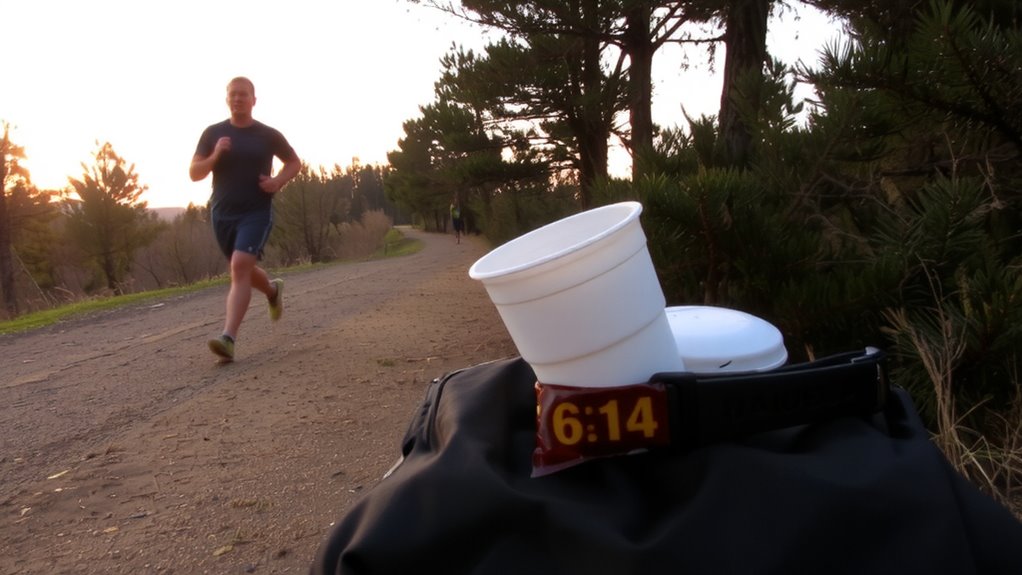
You already know caffeine sharpens your focus and lifts your physical output, but getting the most from it depends heavily on when you take it. Timing your dose 30–60 minutes before training aligns peak plasma concentration with your workout’s most demanding phases, maximizing alertness and effort. For sustained performance, consider caffeine cycling-strategically rotating intake periods to prevent tolerance buildup and maintain sensitivity. This approach enhances long-term effectiveness, especially during intense training blocks. Equally important is sleep synergy: consuming caffeine too late disrupts deep sleep, undermining recovery and cognitive restoration. Ideally, cut off caffeine at least 6–8 hours before bed to support sleep quality and hormonal balance. When timed well, caffeine becomes more than a boost-it’s a precision tool. Combined with recovery-focused fitness gear like compression sleeves and foam rollers, proper timing amplifies both performance and repair, ensuring you train smarter, not just harder.
Choose Between Pre- and Intra-Workout Caffeine

Since peak caffeine concentration typically occurs 30 to 60 minutes after ingestion, taking it pre-workout guarantees maximum alertness and neuromuscular readiness just as your session begins. If you’ve got high caffeine sensitivity, a moderate pre-workout dose-say 3–6 mg/kg-can enhance focus without jitters. But for longer sessions, especially those exceeding 90 minutes, intra-workout caffeine may help sustain mental clarity. Products like chewables or gels allow gradual intake, minimizing stomach discomfort. Your choice depends on workout duration and personal tolerance. Pre-loading works well for short, intense efforts, while intra-dosing suits endurance athletes needing prolonged stimulation. Though delivery methods vary, effectiveness hinges on timing and individual response. Always assess your caffeine sensitivity before committing to either strategy-what boosts one athlete might hinder another.
Avoid the Crash: Caffeine and Recovery
Though caffeine can sharpen your performance, relying on it too close to the end of a workout might interfere with recovery by delaying the body’s natural cooldown process. When your body stays elevated in stress response, it can’t efficiently repair muscle tissue or restore energy stores. That post-workout window is critical-disrupting it with late-dosed caffeine risks sleep disruption, especially if consumed within six hours of bedtime. Poor sleep limits recovery, weakening the gains you worked hard for. Regular high intake also sets you up for caffeine withdrawal, whose symptoms-headaches, fatigue, irritability-can mimic poor recovery and derail consistency. You might think you’re accelerating results, but mistimed use may undercut them. Prioritize post-exercise rituals that support parasympathetic activation: hydration, nutrition, and rest. Let caffeine serve performance, not sabotage recovery. Timing isn’t just strategic-it’s foundational.
Find Your Optimal Caffeine Dose and Timing
How much caffeine should you really be taking, and when does it matter most? It depends on your individual tolerance and caffeine metabolism, which vary widely. Most athletes benefit from 3–6 mg per kg of body weight about 30–60 minutes before training. But timing and dose aren’t one-size-fits-all.
| Body Weight | Low Dose (3mg/kg) | High Dose (6mg/kg) |
|---|---|---|
| 60 kg | 180 mg | 360 mg |
| 70 kg | 210 mg | 420 mg |
| 80 kg | 240 mg | 480 mg |
Doses above 6 mg/kg rarely add benefits and may impair focus or recovery. Since caffeine metabolism affects duration and intensity, start low and assess your response. Your ideal timing aligns with peak alertness without disrupting recovery. Find your sweet spot-consistency beats max dosage.
Personalize Your Caffeine Strategy by Sport and Schedule
When does caffeine work best for your sport and daily routine-during early-morning sprints, late afternoon lifts, or weekend endurance sessions? Timing it right means aligning intake with your performance peaks and recovery needs. Sprinters may benefit from 3–6 mg/kg caffeine 60 minutes pre-training, boosting focus and power output. Endurance athletes often do better with split dosing-half before, half during-to sustain mental clarity. Your genetic sensitivity plays a key role; fast metabolizers handle caffeine well, while slow ones risk jitters or disrupted sleep. Consider an adaptogenic pairing, like rhodiola or ashwagandha, to buffer stress and support recovery. Strength athletes might time caffeine post-lift to aid alertness without interfering with muscle repair. Always factor in competition schedules and travel. A tailored plan-based on your sport, body, and goals-maximizes gains while minimizing side effects.
On a final note
You’ve seen how timing caffeine affects mental clarity and recovery. Taken pre-workout, it sharpens focus and boosts endurance; intra-workout, it sustains effort. But late doses hinder sleep, impairing recovery. Your ideal dose-usually 3–6 mg/kg-is sport-specific and personal. Pair smart timing with proper hydration and gear like compression wear to enhance recovery. Ultimately, aligning caffeine use with your training schedule optimizes performance and restoration, making precision as essential as the supplement itself.