Maximizing Glycogen Replenishment: Strategies to Fuel Your Next Workout Session
You need to refuel within 30 minutes after intense exercise, when your muscles are most receptive to glycogen synthesis. Aim for 1.0–1.2 grams of carbs per kilogram of body weight hourly, paired with 10–15g protein to speed recovery. High-glycemic carbs jumpstart replenishment, while a 3:1 carb-to-protein ratio enhances insulin response for better nutrient uptake. Hydration supports this process by maintaining blood volume and delivery. Whole foods like chocolate milk or a banana with yogurt work as well as supplements-timing and balance matter most. There’s more to optimizing your recovery than nutrition alone.
Notable Insights
- Replenish glycogen immediately after exercise when muscles are most receptive to nutrient uptake.
- Consume 1.0–1.2 g/kg of carbs per hour for 4–6 hours post-workout to optimize glycogen synthesis.
- Combine 30–40g carbs with 10–15g protein within 30 minutes to enhance glycogen storage and muscle repair.
- Choose high-glycemic carbs initially, then include low-glycemic sources for sustained energy and recovery.
- Prioritize hydration post-exercise to support blood volume, nutrient delivery, and glycogen resynthesis.
Maximize Glycogen Replenishment for Peak Performance

While your muscles are capable of storing energy as glycogen, how quickly you replenish those stores after intense training can make or break your next performance. You’re not just refueling-you’re setting the stage for effective muscle repair and long-term gains. Without proper recovery, even the best fitness gear won’t compensate for depleted energy reserves. Hydration balance plays a critical role, since water supports glycogen synthesis and nutrient delivery to fatigued muscles. Dehydration slows these processes, undermining both performance and adaptation. High-quality supplements and recovery-focused apparel may help manage soreness and circulation, but they can’t replace foundational recovery nutrition and fluid intake. To maximize glycogen replenishment for peak performance, prioritize consistent post-workout nutrition, monitor urine color for hydration clues, and support your body’s natural repair cycles. Smart recovery isn’t about gear-it’s about smart, sustained habits.
Hit the Glycogen Recovery Window (Right After Workout)
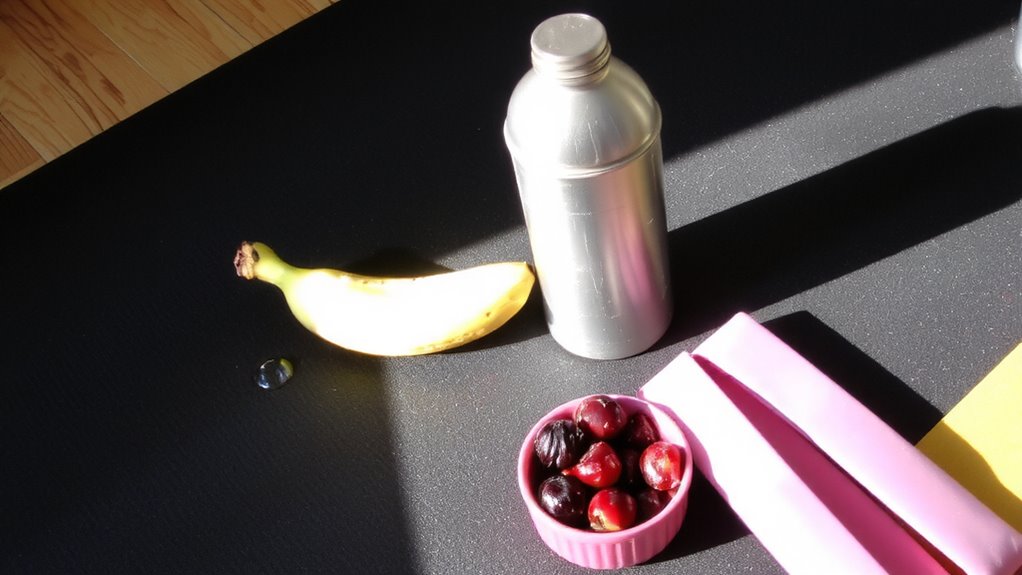
Because your muscles are most receptive to nutrient uptake immediately after exercise, making the most of the glycogen recovery window can markedly influence how quickly you bounce back for your next workout. You’ve just finished training, and your body is primed to restore glycogen stores-act fast. Delaying refueling by even an hour can slow recovery and worsen muscle fatigue. Aim to consume carbs and protein within 30 minutes post-exercise to maximize results. Don’t overlook hydration timing: replacing lost fluids helps maintain blood volume and nutrient delivery. Pairing smart hydration with prompt nutrition supports faster glycogen resynthesis and reduces soreness. Recovery isn’t just about what you eat-it’s when you do it. Top athletes treat this window as non-negotiable. You should too, especially if frequent, intense training is part of your routine. Consistency here keeps performance high and downtime low.
How Many Carbs You Need: and Which Ones Work Best

What if the key to faster recovery wasn’t just *how much* you eat, but *what kind* of carbs you reach for? After a tough session, aim for 1.0–1.2 grams of carbs per kilogram of body weight per hour during the first 4–6 hours-this aligns with ideal carb timing. But don’t just grab anything sugary. While high-glycemic carbs spike insulin quickly, supporting immediate glycogen synthesis, incorporating some low glycemic options can sustain energy longer and stabilize blood sugar. A mix gives you both speed and stability. Foods like bananas, oats, or fruit yogurt deliver practical fuel without gut distress. Your recovery gear-like shakers or meal prep containers-should support timing precision and portion control. It’s not just about volume; it’s about making each carb count through smart selection and strategic carb timing. Balance matters.
Combine Carbs and Protein for Faster Recovery
The real game-changer in post-workout recovery isn’t just carbs alone-it’s pairing them with protein. You trigger a stronger insulin response when you combine the two, which speeds up glycogen restoration in your muscles. That same insulin spike also shuttles amino acids into damaged tissues, supporting efficient muscle repair. Research shows a 3:1 carb-to-protein ratio works well-around 30–40 grams of carbs with 10–15 grams of protein within 30 minutes post-exercise. This isn’t just theoretical; athletes consistently report less soreness and better readiness for the next session. While recovery supplements exist, whole foods like chocolate milk or a banana with Greek yogurt perform just as well. Fitness recovery isn’t just about gear or gadgets-what you eat post-workout has a measurable impact. Strategic nutrition beats expensive recovery tools every time when it comes to replenishing energy and repairing muscle.
Post-Workout Meals That Replenish Glycogen Quickly
You’ve already seen how pairing carbs and protein boosts glycogen restoration and muscle repair-but timing and food choices matter just as much. For maximal glycogen synthesis, aim to eat within 30 to 60 minutes post-exercise, when your muscles are most receptive. This window maximizes nutrient timing, enhancing recovery and preparing you for the next session. A balanced meal like grilled chicken with brown rice and roasted sweet potatoes delivers high-quality protein and complex carbs, steadily refueling glycogen stores. Alternatively, a smoothie with banana, oats, and whey protein offers rapid digestibility and convenience. These meals support sustained energy restoration without spiking insulin excessively. While recovery supplements exist, whole foods provide additional micronutrients and fiber, improving long-term metabolic health. Ultimately, consistency in post-workout nutrition outperforms reliance on fitness gear or shortcuts-what you eat matters just as much as how hard you train.
On a final note
You’ll recover faster when you act quickly after exercise. Refueling within 30–60 minutes boosts glycogen synthesis, especially with carbs like bananas or oats. Pairing 3:1 carbs to protein enhances absorption and muscle repair. Meals like chocolate milk or a turkey sandwich work well. Gear like smart bottles or recovery trackers can help monitor intake and timing. These tools, while not essential, add value by improving consistency. Recovery isn’t just rest-it’s strategic fueling and smart habits.