The Role of Cellular Recovery Mechanisms in Promoting Efficient Post-Exercise Healing
Your workouts create minor muscle damage, but that’s when your body kicks into repair mode. Exercise triggers protein synthesis to rebuild fibers stronger and sparks mitochondrial biogenesis for better energy efficiency. Autophagy clears damaged components, while antioxidants manage oxidative stress without blocking adaptation. Cold immersion, quality sleep, and proper nutrition amplify these processes. Recovery tools like foam rollers help with inflammation but don’t drive cellular change. You’re already adapting-what happens next depends on how you support it.
Notable Insights
- Exercise-induced micro-tears activate protein synthesis, driving muscle repair and growth during recovery.
- Mitochondrial biogenesis enhances cellular energy efficiency and endurance following physical stress.
- Autophagy clears damaged cellular components, supporting renewal and improving metabolic function post-exercise.
- Moderate oxidative stress from exercise triggers adaptive repair pathways and antioxidant defenses.
- Sleep, nutrition, and hydration optimize cellular recovery by enhancing autophagy, protein synthesis, and homeostasis.
How Exercise Activates Cellular Repair Pathways
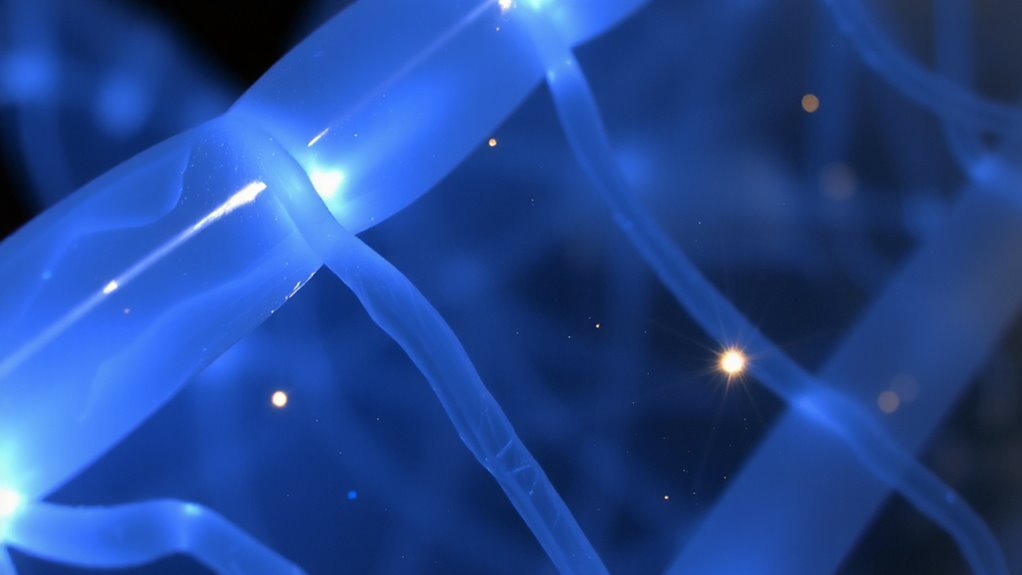
While it might seem counterintuitive, the minor damage your muscles endure during exercise is actually what kick-starts the body’s cellular repair mechanisms. You trigger adaptive responses through physical stress, including increased mitochondrial biogenesis-the creation of new mitochondria that enhance energy efficiency. This process improves endurance and recovery over time. Simultaneously, exercise induces oxidative stress, a double-edged sword: moderate levels act as signaling cues for repair, but excessive amounts can hinder progress. Your body balances this by upregulating antioxidant defenses. Proper recovery gear, like compression wear or quality foam rollers, doesn’t directly influence mitochondrial biogenesis, but it may help manage inflammation, supporting ideal conditions for repair. These tools, while not magic, perform best when integrated into a routine that prioritizes rest and consistency. Ultimately, the real benefit lies in how well you support these natural cellular pathways-not just with gear, but with disciplined recovery practices. Choosing the right best foam rollers can enhance myofascial release and improve circulation during recovery.
Protein Synthesis and Post-Workout Muscle Recovery

Your muscles don’t grow during a workout-they grow during the recovery, and protein synthesis is the star player in that process. After resistance training, your muscle fibers experience micro-tears, and it’s through protein synthesis that they’re repaired and strengthened. This repair process directly supports muscle hypertrophy, leading to increased size and strength over time. To maximize this, nutrient timing matters-consuming protein within 30 to 60 minutes post-exercise boosts synthesis rates markedly. Leucine-rich sources like whey are particularly effective at signaling muscle cells to initiate rebuilding. Without proper protein availability, recovery slows, limiting gains. While fitness gear like compression wear may support circulation, it can’t replace the biological foundation of recovery driven by protein synthesis. Ultimately, your results hinge not just on effort, but on how strategically you fuel repair.
Autophagy’s Role in Cellular Cleanup After Exercise
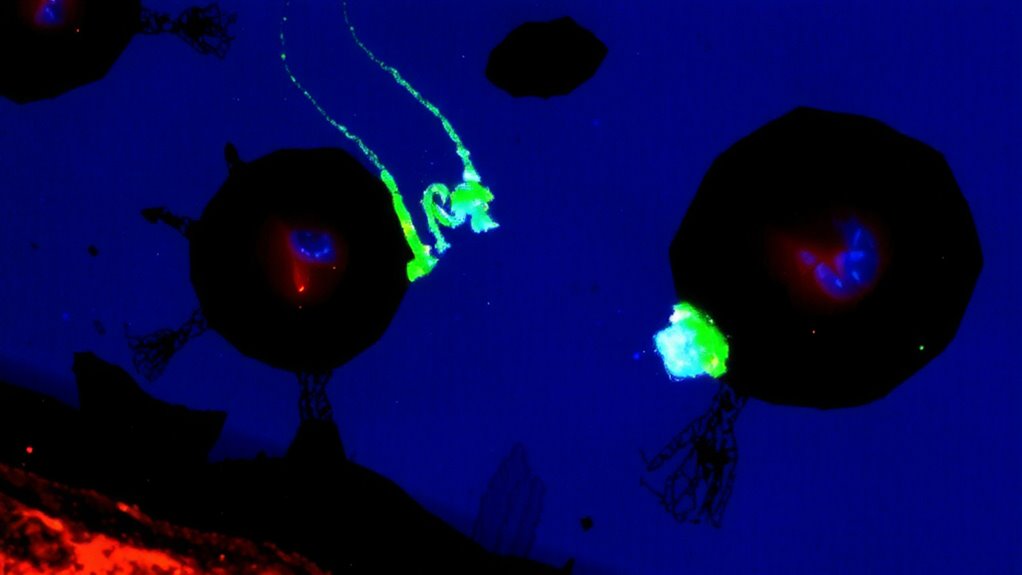
Because your body treats exercise as a stressor, it activates built-in cleanup processes like autophagy to maintain cellular health, and this one’s quietly essential. You rely on autophagy without realizing it-damaged components get recycled, making room for stronger systems. Lysosomal activity ramps up, breaking down worn proteins and old organelles. This cellular housekeeping directly supports mitochondrial renewal, ensuring your energy factories run efficiently post-workout.
| Process | Function | Benefit to Recovery |
|---|---|---|
| Autophagy initiation | Responds to exercise stress | Clears damaged cellular material |
| Lysosomal activity | Degrades waste via enzymes | Enhances cellular efficiency |
| Mitochondrial renewal | Replaces old mitochondria | Boosts energy production |
| Protein recycling | Supplies amino acids for repair | Supports muscle adaptation |
| Oxidative cleanup | Removes reactive byproducts | Reduces cellular fatigue |
This system’s efficiency influences how quickly you’re ready to train again.
How Antioxidants Reduce Exercise-Induced Stress
Exercise pushes your cells to adapt, and while autophagy handles the internal cleanup by recycling damaged components, it’s only one part of the recovery picture-another key player is the antioxidant system, which steps in to neutralize the oxidative stress that comes with intense physical effort. When you train hard, your body produces free radicals-unstable molecules that can cause oxidative damage to cells if left unchecked. Antioxidants, like those from vitamins C and E or found in colorful fruits and vegetables, donate electrons to stabilize these free radicals. This balance reduces cellular stress and supports faster return to homeostasis. You don’t need extreme supplementation; a varied, whole-food diet generally provides sufficient antioxidants. Overloading on synthetic versions might even interfere with training adaptations. Your recovery gear matters, but so does what you fuel your cells with-proper nutrition strengthens your body’s natural defenses where it counts.
Science-Backed Ways to Speed Up Cellular Recovery
While autophagy clears out damaged cellular components and antioxidants neutralize free radicals, true recovery hinges on targeted strategies that enhance these natural processes-so if you’re looking to speed things up, science points to a few key methods backed by solid evidence. Prioritizing sleep and cold exposure supports mitochondrial biogenesis, helping your cells produce energy more efficiently post-workout. You also can’t overlook cellular hydration-electrolyte-balanced fluids and foods like watermelon or cucumber improve fluid retention at the cellular level. Pair these with smart gear choices, like compression wear that enhances circulation.
| Strategy | Effect on Recovery |
|---|---|
| Cold immersion | Reduces inflammation |
| Sleep (7–9 hrs) | Boosts autophagy |
| Electrolyte intake | Improves cellular hydration |
| Resistance training | Stimulates mitochondrial biogenesis |
| Active recovery | Enhances blood flow |
On a final note
You’ve seen how cellular recovery mechanisms drive post-exercise healing, from protein synthesis to autophagy and antioxidant defenses. These processes repair damage and boost resilience, especially when supported by smart nutrition and recovery gear like compression wear or cryotherapy devices. While some tools offer measurable benefits, others lack strong evidence. Prioritizing sleep, hydration, and recovery-focused habits gives you the best return. Your body’s ability to adapt depends on how well you support these biological systems consistently.