The Role of Hydration Strategies in Facilitating Post-Exercise Metabolic Waste Clearance
You’re producing metabolic waste like lactic acid every time you push through a tough set with resistance bands or weighted vests. Staying hydrated helps your kidneys flush those byproducts efficiently. Drinking 16–20 oz of water before and structured amounts after exercise supports sustained waste clearance. Adding electrolytes boosts cellular transport, moving fluid where it’s needed most. Unlike foam rolling or compression, hydration directly aids detoxification-making it essential. Smart, timed intake means faster recovery-you’ll see how to optimize it next.
Notable Insights
- Hydration enables efficient kidney filtration and urinary excretion of metabolic waste like lactate and urea post-exercise.
- Proper fluid intake supports blood circulation, enhancing transport of cellular byproducts to detoxification organs.
- Pre- and post-workout water consumption optimizes fluid balance and accelerates metabolic waste clearance.
- Electrolytes such as sodium and potassium drive osmotic gradients critical for cellular fluid and waste exchange.
- Compared to foam rolling or compression, hydration directly facilitates systemic removal of exercise-induced metabolic byproducts.
Why Metabolic Waste Slows Recovery
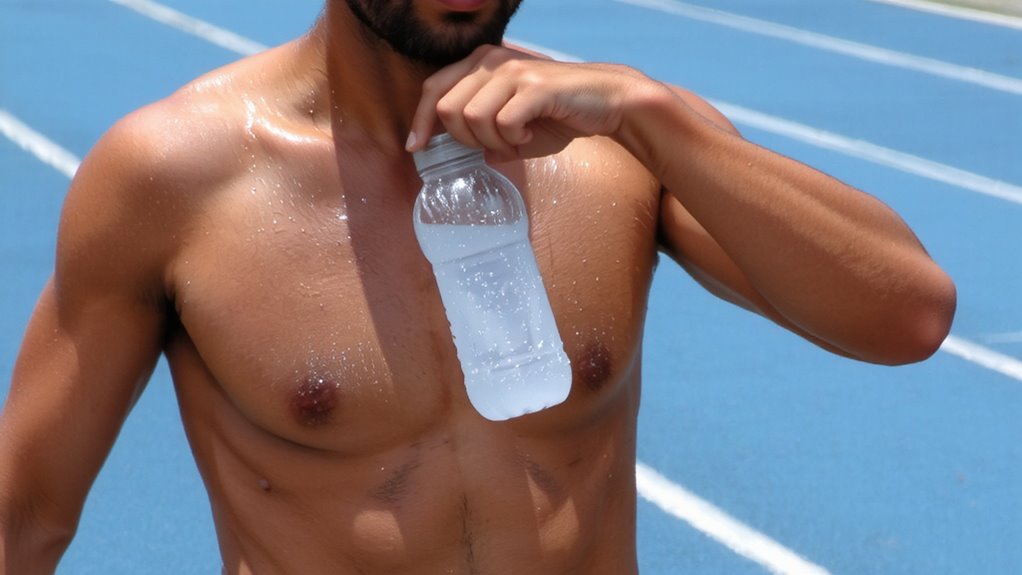
While your body works hard during exercise to generate energy, it also produces metabolic waste like lactic acid and ammonia, and if these by-products linger, they can hinder how quickly you bounce back. That lingering soreness you feel? It’s often tied to muscle fatigue and cellular inflammation triggered by these accumulating compounds. Metabolic waste disrupts normal muscle function, reducing contractile efficiency and delaying repair. You might notice stiffness or a sluggish response from your muscles post-workout-clear signs your recovery is compromised. High-intensity fitness gear users, especially those relying on resistance bands or weighted vests, often push harder, increasing waste production. Without proper recovery strategies, this leads to prolonged inflammation and impaired performance. The real issue isn’t just the waste itself, but how your body manages it. Efficient clearance is essential, and buildup directly correlates with reduced recovery speed, making post-exercise protocols critical for maintaining gains and avoiding overtraining.
How Water Helps Clear Waste After Exercise

Because your muscles produce metabolic byproducts like lactate and urea during intense workouts, especially when using high-resistance gear such as weighted vests or power bands, these substances need to be cleared efficiently to speed recovery-and that’s where water comes in. Water absorption in your intestines allows fluids to enter the bloodstream, boosting circulation so waste products move faster to elimination sites. Your kidney function depends on adequate hydration to filter these toxins from the blood and excrete them via urine. Without enough water, this system slows, letting waste accumulate and possibly prolonging soreness. High-performance recovery isn’t just about rest-hydration actively supports internal cleanup. While fitness gear increases training intensity, it also heightens metabolic demand, making post-workout water intake even more critical to maintain efficient waste removal and keep recovery on track.
When to Drink for Fastest Recovery
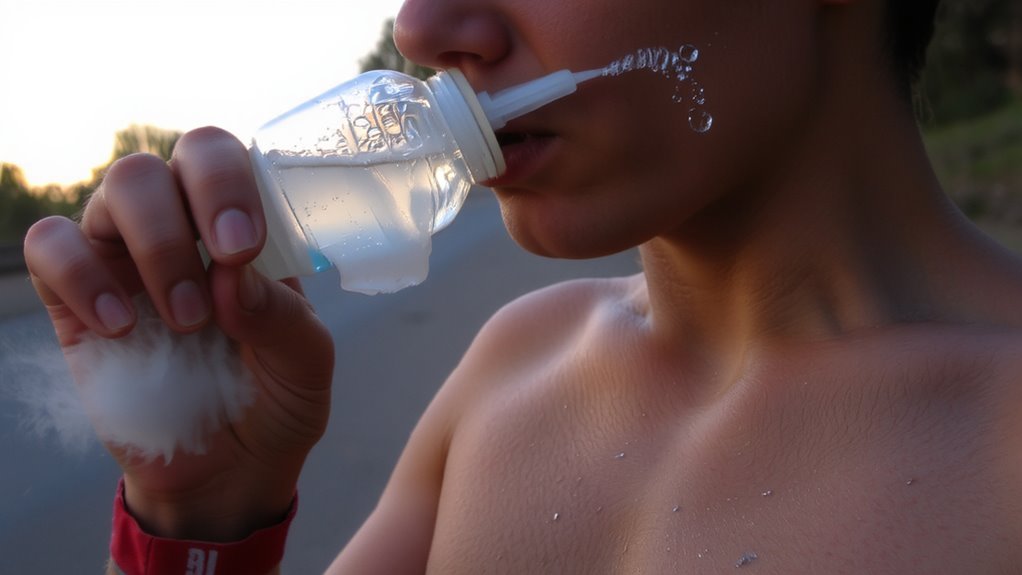
Staying hydrated isn’t just about replacing what you lost-it’s about timing your intake to maximize recovery, especially after pushing your limits with gear like weighted vests or resistance bands. Proper pre workout timing primes your system, reducing early fatigue and supporting circulation needed to carry waste away. But the real boost comes from post cool down intake, when your metabolism is still elevated and blood flow helps shuttle byproducts from muscles. To optimize fluid uptake and waste clearance, consider this:
| Timing | Action |
|---|---|
| 30 min pre-workout | 16–20 oz water |
| Immediately post-exercise | 8–10 oz with electrolytes |
| 1–2 hours post cool down intake | 16 oz water or recovery drink |
This approach outperforms ad hoc drinking, aligning fluid delivery with physiological demand and enhancing recovery efficiency.
Electrolytes: Why They Speed Up Waste Removal
What if the key to flushing metabolic waste faster wasn’t just water-but what you add to it? You’re not just replacing fluids post-workout; you’re restoring ion balance critical for efficient recovery. Electrolytes like sodium, potassium, and magnesium aren’t optional extras-they’re essential for driving cellular osmosis, the process that moves fluid-and waste-across membrane barriers. When ion balance is off, water doesn’t flow where it should, slowing down the clearance of lactic acid and other byproducts. Without proper osmotic gradients, hydration stays superficial, pooling in extracellular spaces instead of reaching stressed cells. But when you replenish electrolytes, you’re not just quenching thirst-you’re optimizing internal transport. That’s why plain water often falls short. Strategic electrolyte intake enhances fluid distribution, accelerates toxin removal, and supports faster metabolic reset. It’s not magic-it’s physiology working as intended. Your recovery gear should include smart hydration, not just bottles and bands.
Hydration vs. Other Recovery Tools: What Really Works
How do you stack up hydration against foam rolling, compression gear, or ice baths when the workout ends? While foam rolling helps loosen tight muscles and boosts blood flow, it doesn’t clear metabolic waste like proper hydration does. Water and electrolytes actively transport waste from muscles to the kidneys, making hydration a foundational recovery tool. Cold therapy, such as ice baths, may reduce inflammation and soreness, but evidence on long-term benefits is mixed. Compression gear improves circulation, yet it can’t replace fluid balance in waste removal. Foam rolling and cold therapy are useful as complements, not substitutes. You’ll get the best results when you prioritize rehydration first, then use other tools to support muscle function. Hydration is measurable, essential, and directly linked to cellular cleanup-something no roller or cold immersion can claim.
Daily Habits to Stay Hydrated and Recover Faster
When recovery is your goal, consistency in hydration often matters more than any single post-workout choice, and building daily habits around fluid intake can substantially accelerate how quickly your body rebounds. You don’t need high-tech fitness gear-just a reusable bottle and routine sipping throughout the day. Start with a glass upon waking, then set reminders to drink every 60–90 minutes. Pair hydration with mindful breathing techniques during rest periods to enhance circulation and support metabolic waste clearance. Proper fluid balance also improves sleep quality, which is essential for tissue repair and hormonal regulation. Dehydration disrupts electrolyte levels, increasing nighttime awakenings and reducing deep sleep cycles. By aligning hydration with natural rhythms-drinking more during daylight and tapering off at night-you optimize both recovery and rest. These small, consistent actions outperform sporadic interventions, making daily hydration a cornerstone of effective, sustainable recovery.
On a final note
You need hydration to clear metabolic waste efficiently after exercise. Water flushes toxins, while electrolytes boost fluid absorption and cellular function. Timing matters-drinking during and after workouts speeds recovery. Compared to recovery gear like foam rollers or compression wear, proper hydration offers a foundational, cost-effective advantage. Daily hydration habits enhance this effect, supporting long-term performance. You’ll recover faster when you prioritize smart fluid intake alongside other tools, making it a cornerstone-not just an add-on-in effective fitness recovery.