Strategies for Enhancing Tissue Remodeling Through the Use of Electrical Stimulation
You can enhance tissue remodeling with electrical stimulation by using targeted currents that boost cellular repair and collagen alignment. Devices like galvanic or capacitive stimulators help reduce inflammation and improve healing when set to the right frequency-typically 2–10 Hz for muscle recovery. Consistent, daily sessions of 20–30 minutes work best, especially when combined with physical therapy and proper nutrition. Wearables offer convenient, precise treatment, though results vary. Smart protocols synced with your healing phase could make the difference in long-term recovery success.
Notable Insights
- Use targeted electrical stimulation to enhance ion flow and cellular activity, promoting collagen alignment and tissue repair.
- Select appropriate current types, such as galvanic or capacitive coupling, based on tissue type and healing phase.
- Apply low-frequency stimulation (2–10 Hz) for muscle regeneration and higher frequencies (50–100 Hz) for general cellular activation.
- Combine electrical stimulation with physical therapy, proper nutrition, and phased rehabilitation for optimal remodeling outcomes.
- Utilize wearable devices with preset protocols to ensure consistent, precise, and compliant daily treatment delivery.
How Electrical Stimulation Triggers Tissue Regeneration
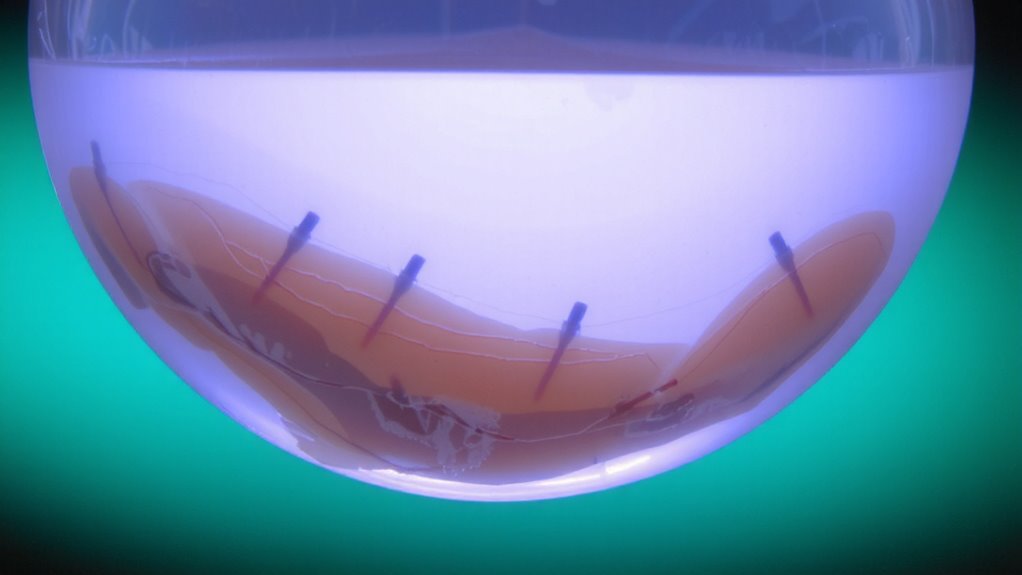
While your body naturally heals damaged tissue, electrical stimulation can substantially accelerate the process by mimicking the body’s inherent bioelectrical signals. You’re fundamentally boosting the environment cells need to regenerate. Electrical currents help reestablish electrochemical gradients across cell membranes, which are critical for nutrient uptake and waste removal. This shift supports cellular polarization, a key step in activating repair mechanisms. When cells are properly polarized, they respond more efficiently to growth factors and signaling molecules, speeding up tissue rebuilding. In practical use, devices that deliver controlled stimulation show measurable improvements in recovery time, particularly after intense workouts. You’ll find these systems increasingly common in fitness recovery routines, where efficiency matters. Though not a standalone solution, when combined with proper training and nutrition, electrical stimulation enhances remodeling at the cellular level. It’s a calculated, science-backed addition to modern recovery gear. Top-rated devices in this category are considered among the best muscle stimulators for supporting recovery and performance.
The Main Types of Electrical Stimulation Used in Healing
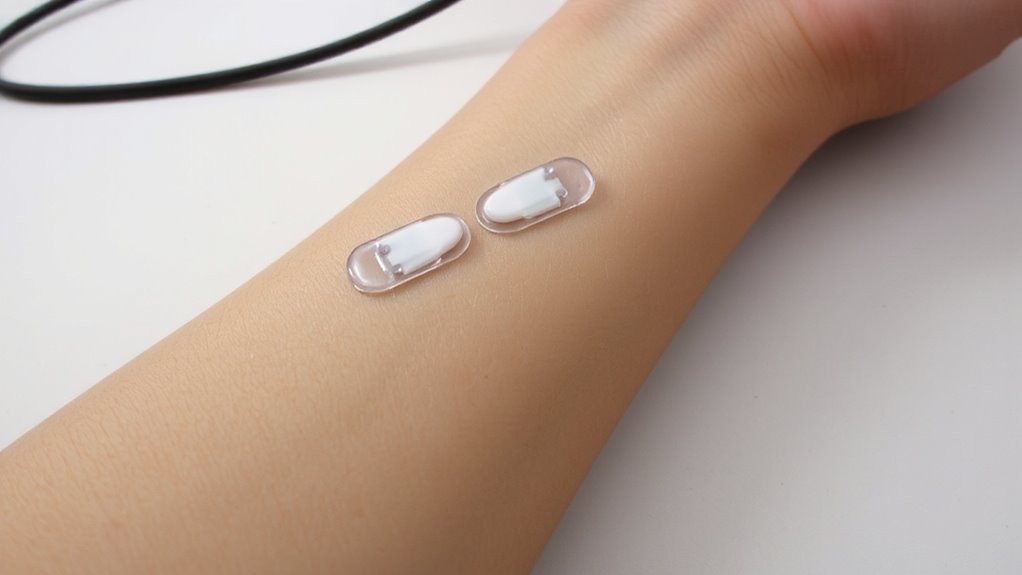
You’ve seen how electrical stimulation kickstarts tissue regeneration by supporting cellular function and improving the repair environment, but not all forms work the same way. Galvanic current delivers a steady, low-level direct current that enhances ion movement across cell membranes, promoting wound healing and reducing inflammation. It’s particularly useful in early recovery phases when tissue integrity is compromised. Capacitive coupling, on the other hand, uses alternating current delivered through electrodes placed on the skin, creating an electric field within the tissue without direct contact. This method excels in stimulating bone and cartilage repair with minimal discomfort. Both approaches integrate well into recovery protocols, though patient comfort and tissue type influence selection. While Galvanic current requires conductive gel and careful monitoring, capacitive coupling offers easier application. Choosing between them means balancing precision, penetration depth, and practicality in real-world recovery settings.
Which Settings Boost Healing : Frequency, Intensity, and Duration
How do you strike the right balance between frequency, intensity, and duration when using electrical stimulation for ideal tissue healing? You’ll need to tailor settings based on injury type and tissue response. Low frequencies (2–10 Hz) often support muscle regeneration, while higher ones (50–100 Hz) may boost cellular activity. Intensity should be sub-motor or just above sensory threshold-enough to stimulate, not strain. Sessions lasting 20–30 minutes, repeated daily, promote treatment consistency, a key factor in recovery success. Too little, and you won’t see change; too much, and you risk tissue fatigue. Finding the most effective dosage means adjusting parameters progressively as healing advances. Wearable stimulators with preset protocols help maintain precision and ease of use. Ultimately, pairing evidence-based settings with reliable equipment enhances outcomes-making your recovery both efficient and sustainable. For home users, choosing clinically effective devices like best EMS machines can significantly influence treatment adherence and results.
Reducing Inflammation and Scarring With Electrical Currents
Isn’t it remarkable how targeted electrical currents can shift the body’s response to injury-turning down inflammation and quietly reshaping scar tissue? You’re seeing real benefits when using electromagnetic therapy to calm overactive immune responses at the injury site. Studies show it reduces pro-inflammatory cytokines, which means less swelling and pain during recovery. This isn’t just about comfort-lower inflammation creates a better environment for tissue repair. And when it comes to scar modulation, controlled electrical stimulation helps align collagen fibers more naturally, improving both flexibility and strength. Unlike passive treatments, this approach actively guides healing, making it especially useful in post-surgical or deep-tissue cases. You’ll find outcomes improve when protocols are consistent and tailored. While not a standalone fix, electromagnetic therapy adds a smart layer to recovery routines, especially when precision and long-term function matter.
Wearable Devices for Daily Electrical Therapy
While recovery often demands time and patience, wearable devices for daily electrical therapy make consistent treatment more accessible, integrating seamlessly into active lifestyles. You’ll find these lightweight, flexible units easy to wear under clothing, designed with breathable materials that prioritize device comfort for prolonged use. Their discreet size and minimal wiring let you carry on with daily routines-whether at work or during light exercise-without disruption. High user compliance stems from intuitive controls and smartphone syncing, which track session length and intensity. Rechargeable models offer extended use, while adjustable settings let you tailor stimulation to your pain tolerance and healing needs. Though not a standalone cure, these devices support tissue repair when used consistently. Real-world feedback suggests improved adherence compared to clinic-based treatments, mainly due to convenience and reduced discomfort.
Combining Electrical Stimulation With Stem Cells and PRP
The fusion of electrical stimulation with stem cells and platelet-rich plasma (PRP) marks a promising frontier in advanced tissue repair, where biologic treatments gain a boost from bioelectric cues. You’re tapping into cell synergy when you pair these regenerative agents with targeted electrical signals-each component amplifying the other’s effect. Electrical currents guide stem cell migration and differentiation, while PRP releases growth factors that prime the tissue environment. Together, they thrive under signal integration, where bioelectric inputs coordinate cellular activity in real time. This isn’t just additive; it’s multiplicative in potential. You’ll see faster matrix deposition, improved vascularization, and more organized tissue architecture. Though research is still refining protocols, early evidence suggests optimized dosing and timing enhance outcomes. For recovery applications, especially in sports medicine or post-injury rehab, this combination offers a dynamic strategy-merging biology and bioelectronics to accelerate remodeling where it matters most.
What Clinical Trials Reveal About Recovery Results
How do we really know if electrical stimulation speeds up recovery? Clinical trials offer the clearest answers. You’ve likely seen devices promising faster healing, but research shows mixed results. Some studies report improved tissue remodeling and reduced inflammation, especially when combined with physical therapy. Yet, patient compliance varies-many stop using devices at home due to discomfort or complexity. Devices requiring daily, consistent application often suffer from low adherence, skewing outcomes. Long term efficacy remains uncertain; while short-term gains appear in muscle strength and pain reduction, benefits sometimes fade after six months. Trials with robust protocols and follow-ups suggest promise, particularly for post-surgical rehab. Still, effectiveness depends on proper settings, duration, and individual response. You can’t rely solely on the tech-correct usage and integration into broader recovery plans are essential for meaningful, sustained results.
On a final note
You’re seeing real promise in recovery when using electrical stimulation, especially with wearable tech that fits daily life. It boosts tissue repair, cuts inflammation, and works well alongside stem cells or PRP. While results vary, clinical trials support its role in faster healing. The right settings-frequency, intensity, duration-make a difference. Overall, it’s practical, non-invasive, and effective when used consistently and correctly alongside proven recovery methods.