Utilizing Biofeedback to Enhance Central Nervous System Recovery Mechanisms
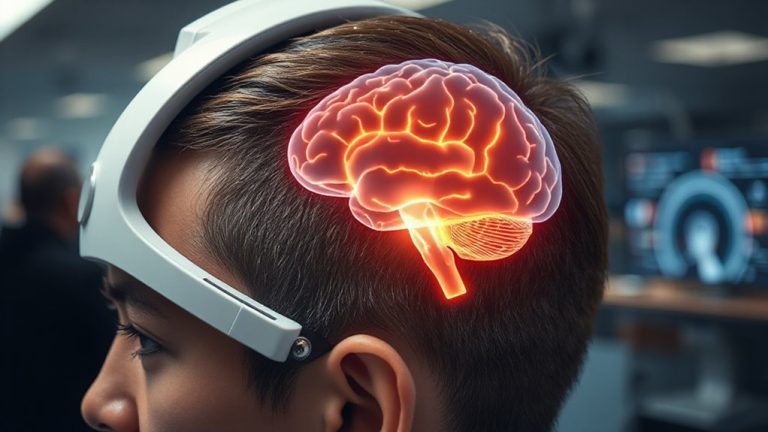
You’re using biofeedback to gain real-time control over your heart rate, muscle tension, and brainwaves, turning automatic functions into trainable skills that support CNS recovery. Devices like HRV monitors and EEG sensors provide precise feedback, helping rewire the brain through neuroplasticity. It’s not just for athletes-it’s proven in stroke and TBI rehab, improving autonomic regulation and motor control with consistent use. This isn’t guesswork; it’s data-driven healing that gets better with time, backed by clinical protocols and measurable outcomes. There’s more to how this works beneath the surface.
Notable Insights
- Biofeedback provides real-time physiological data to support autonomic regulation and central nervous system (CNS) recovery.
- It enhances neuroplasticity by converting subconscious bodily functions into measurable, trainable responses.
- EEG and HRV biofeedback target brainwave patterns and heart rate variability to promote CNS rewiring.
- EMG and thermal biofeedback reduce muscle tension and improve blood flow regulation post-neurological injury.
- Early, consistent use of biofeedback in clinical settings optimizes recovery outcomes for stroke and TBI patients.
What Is Biofeedback and How Does It Heal the CNS?
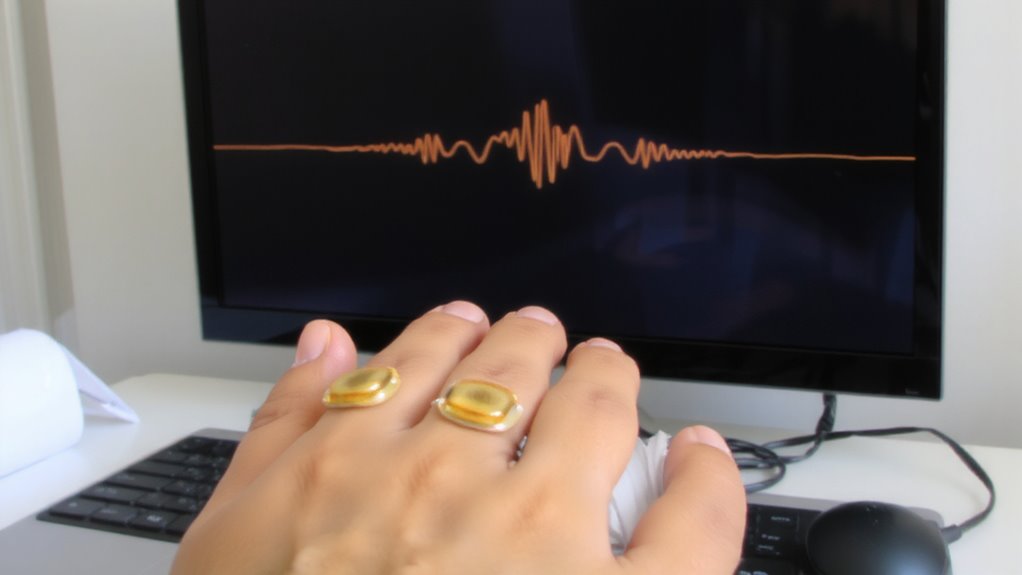
How do you begin to heal what you can’t even feel? Biofeedback gives you answers by revealing real-time data on your central nervous system’s hidden patterns-heart rate, muscle tension, skin response-so you can learn to influence them. It’s not magic; it’s science. Through consistent use, you train your body in autonomic regulation, gaining control over functions once thought automatic. This isn’t just awareness-it’s action. Devices like HRV monitors or EMG sensors provide precise feedback, helping you adjust breathing or relaxation techniques in the moment. Over time, this supports neuroplasticity enhancement, allowing the CNS to rewire more efficiently after stress or injury. Fitness recovery isn’t only about rest or gear-it’s about insight. Biofeedback tools bridge that gap, turning vague sensations into measurable progress. When used correctly, they’re among the most effective instruments for long-term nervous system resilience. You’re not just recovering-you’re retraining.
How Biofeedback Rewires the Brain After Injury
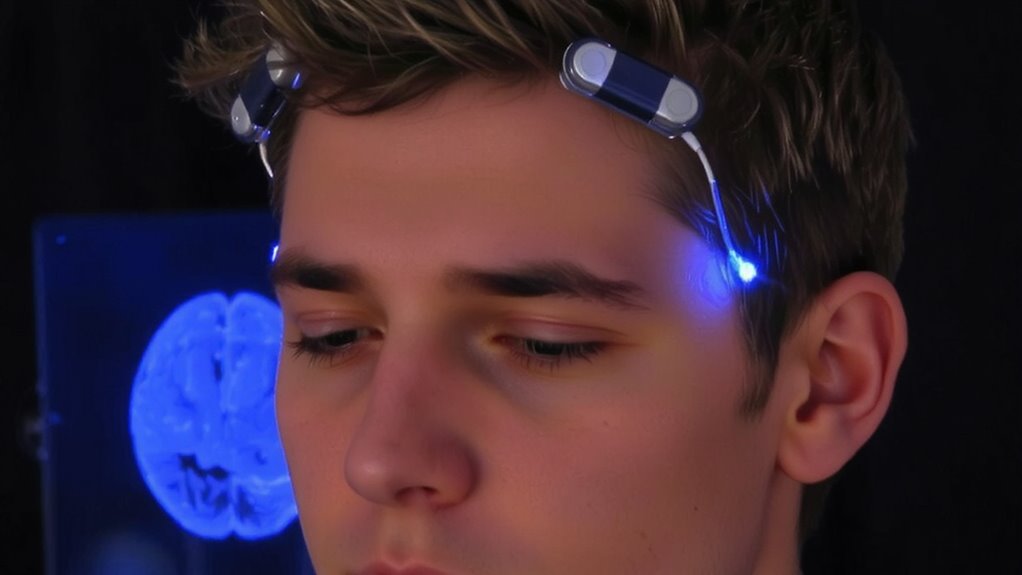
Neuroplasticity is the star player when your brain starts rebuilding after injury, and biofeedback? It’s your coach. By giving you real-time data on brain activity, muscle tension, or heart rate, biofeedback sharpens your awareness and drives neuroplasticity training. You’re not just healing-you’re actively rewiring. Each session guides you to regulate responses once thought automatic, turning recovery into a practiced skill. Over time, this feedback loop supports cognitive restructuring, helping you replace dysfunctional thought patterns with healthier, adaptive ones. It’s not magic; it’s repetition with guidance. Studies show consistent biofeedback use enhances cortical reorganization, especially when started early. You’re fundamentally training your nervous system like a muscle-with specificity and feedback. This targeted approach makes biofeedback a potent tool for functional recovery, helping you regain control in measurable, sustainable ways.
Common Biofeedback Types for Nervous System Recovery
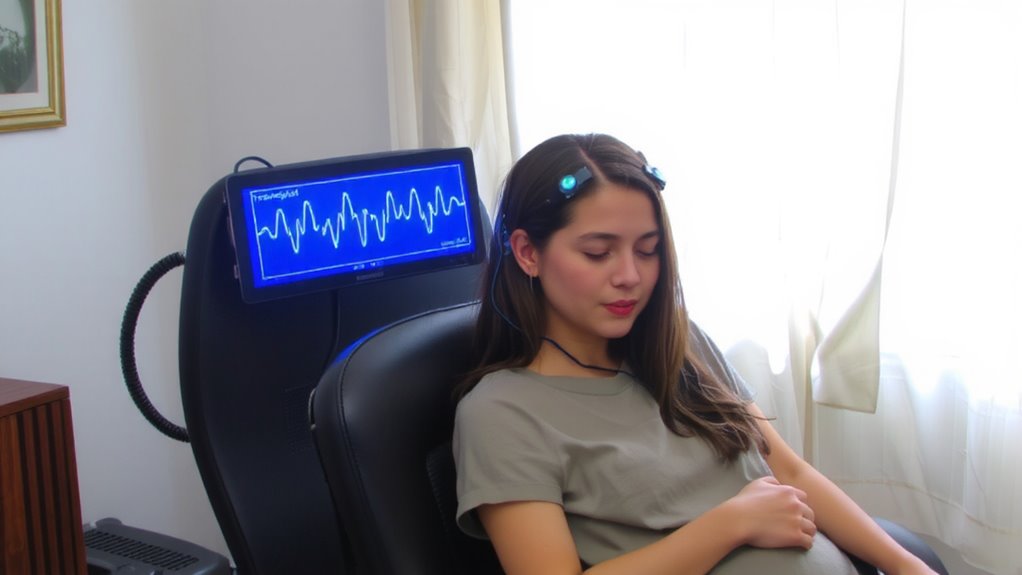
Think of your nervous system as a control center constantly sending and receiving signals-biofeedback gives you access to that dashboard in real time. With EEG biofeedback, you’re training brainwave patterns to support neuroplasticity training, helping rewiring after disruption. Heart rate variability (HRV) biofeedback aids stress modulation by teaching rhythmic breathing and cardiac coherence, calming the autonomic system. EMG feedback reduces muscle tension, ideal when nerve signals misfire or overactivate. Thermal biofeedback, though less common, helps you regulate blood flow, signaling improved nervous control. These tools don’t just monitor-they guide. You adjust in real time, reinforcing healthier patterns. Compared to generic fitness gear, biofeedback devices offer specificity: they’re not measuring steps or calories but nervous system function. Used consistently, they’re clinically effective, not just trendy. They require commitment, but the payoff-improved self-regulation, resilience, and functional recovery-is well-supported by research.
Can Biofeedback Help Stroke, TBI, and Chronic Conditions?
You’ve likely seen how biofeedback fine-tunes nervous system function by giving real-time insight into brainwaves, heart rhythms, muscle activity, and temperature-tools calibrated not for general fitness tracking but for measurable neuromodulation. For stroke, TBI, and chronic conditions, biofeedback offers more than symptom management; it supports neuroplasticity stimulation by guiding your brain to reorganize and form new neural pathways. You’re able to monitor subtle shifts in autonomic regulation, helping stabilize heart rate variability and reduce sympathetic overdrive common in long-term neurological issues. Studies show consistent use improves motor control post-stroke and decreases migraine frequency in TBI survivors. It’s not a standalone cure, but when integrated into rehab, it enhances recovery speed and functional outcomes. The data-driven feedback helps you recognize patterns, adjust responses, and build self-regulation skills critical for lasting improvement. Evidence backs its role in making recovery more precise and patient-specific.
How to Start Biofeedback Therapy: A Patient’s Guide
Where do you begin when considering biofeedback therapy as part of your recovery? Start by researching licensed professionals-choosing a therapist with experience in CNS rehabilitation guarantees you receive accurate guidance and proper technique application. Look for credentials from recognized institutions, like the Biofeedback Certification International Alliance. Once you’ve found a qualified provider, focus on setting therapy goals that are specific, measurable, and aligned with your recovery needs, whether that’s improving motor control after stroke or managing chronic pain. Your therapist will use sensors to monitor physiological signals-like muscle tension or brainwave activity-helping you learn self-regulation. Consistency matters; most patients see results after several sessions. Be patient, track your progress, and stay engaged. Biofeedback isn’t a standalone cure, but when integrated thoughtfully, it can meaningfully support central nervous system recovery.
On a final note
You’re using biofeedback to actively reshape your central nervous system’s recovery, not just passively heal. It sharpens neural regulation by feeding real-time data on heart rate, muscle tension, or brainwaves back to you. With consistent sessions, you see measurable gains in motor control and emotional regulation-especially after stroke or TBI. Though it demands patience, pairing it with physical therapy and proper recovery gear boosts outcomes. It’s not a miracle, but it’s a scientifically sound edge in neurorehabilitation.