Ankle Mobility Drills With Banded Ankle Pumps
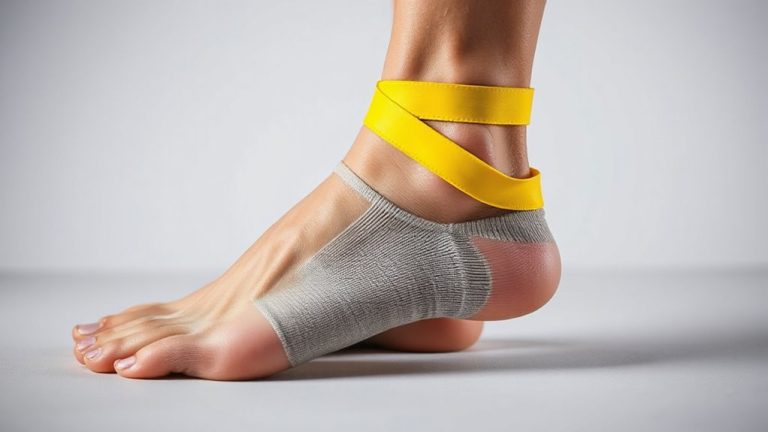
You’ll fix stiff ankles faster with banded ankle pumps than with static stretches alone. The band creates joint distraction, reducing compression while rhythmic pumping breaks up soft tissue adhesions. It boosts dorsiflexion by enhancing synovial fluid flow and actively priming the joint. Do it pre-workout, post-workout, or during sedentary breaks using proper form-keep your heel down and core engaged. Avoid common mistakes like lifting the heel or using worn bands. There’s more to explore on how variations can accelerate your mobility gains.
Notable Insights
- Banded ankle pumps improve ankle mobility by combining joint traction and rhythmic movement to address stiffness and soft tissue adhesions.
- Anchor a resistance band low, loop it around the forefoot, and perform controlled dorsiflexion pumps to enhance range of motion.
- Maintain proper form by keeping the heel down, knee aligned, and spine neutral during each rep for maximum effectiveness.
- Use banded ankle pumps pre-workout to activate mobility, post-workout for recovery, or during sedentary breaks to reduce stiffness.
- Avoid common mistakes like heel lifting or using damaged bands to ensure safe, consistent progress in ankle joint function.
Why Banded Ankle Pumps Fix Stiff Ankles
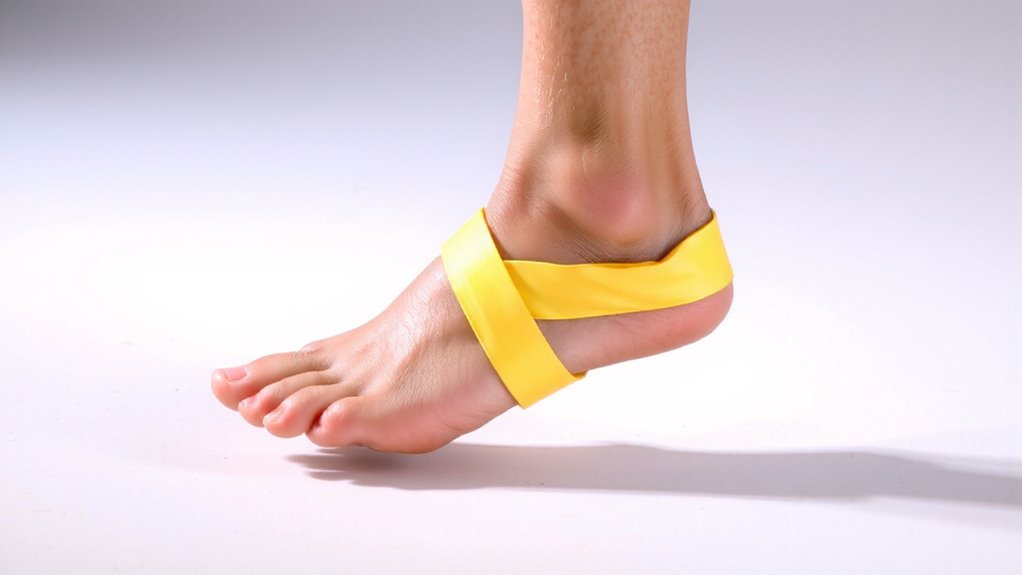
While banded ankle pumps might seem too simple to make a real difference, they’re actually one of the most effective tools for tackling stiff ankles-especially if you’re dealing with limited dorsiflexion. You’re likely facing either ankle joint restriction or soft tissue adhesion, and banded pumps address both. The band applies traction that subtly separates the bones in your ankle, reducing compression that contributes to joint restriction. At the same time, the rhythmic pumping motion helps break up soft tissue adhesion around the joint capsule and calf muscles. This dual action isn’t just temporary relief-it encourages lasting mobility. Used consistently, the pump primes your ankle for deeper movement patterns. Unlike passive stretching, it promotes active tissue remodeling. For recovery-focused athletes or those using fitness gear to enhance performance, this isn’t a gimmick. It’s a precise, low-effort intervention with measurable results.
How Banded Ankle Pumps Boost Dorsiflexion
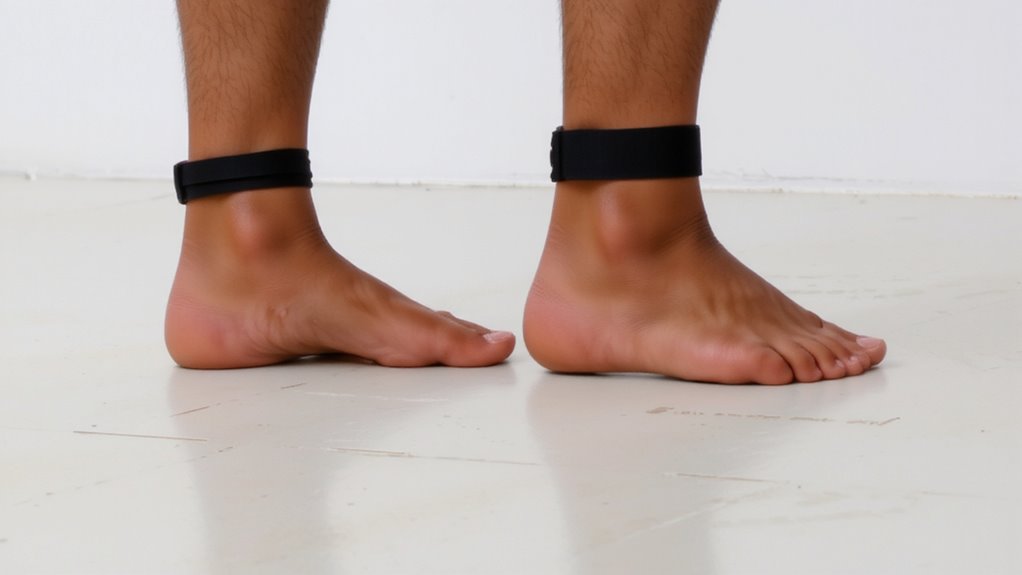
Because dorsiflexion is so essential for everyday movements like squatting, lunging, and even walking efficiently, you’ll want a method that targets it directly-and banded ankle pumps deliver just that. The resistance band applies gentle, consistent tension to guide your ankle into greater range, encouraging improved ankle flexibility over time. As you perform the pumps, the rhythmic motion stimulates synovial fluid production, enhancing joint lubrication and reducing stiffness. This isn’t just about stretching tissue-it’s about priming the joint itself for smoother, more functional movement. You’ll notice the effects quickly, especially when moving from rest to activity. Unlike passive stretches, banded pumps actively engage the joint mechanics, making them more effective for daily mobility maintenance. For anyone investing in recovery or performance gear, this drill offers measurable returns. It’s simple, requires minimal equipment, and fits easily into warm-ups or cool-downs, making it a smart addition to any mobility routine.
How to Do Banded Ankle Pumps the Right Way
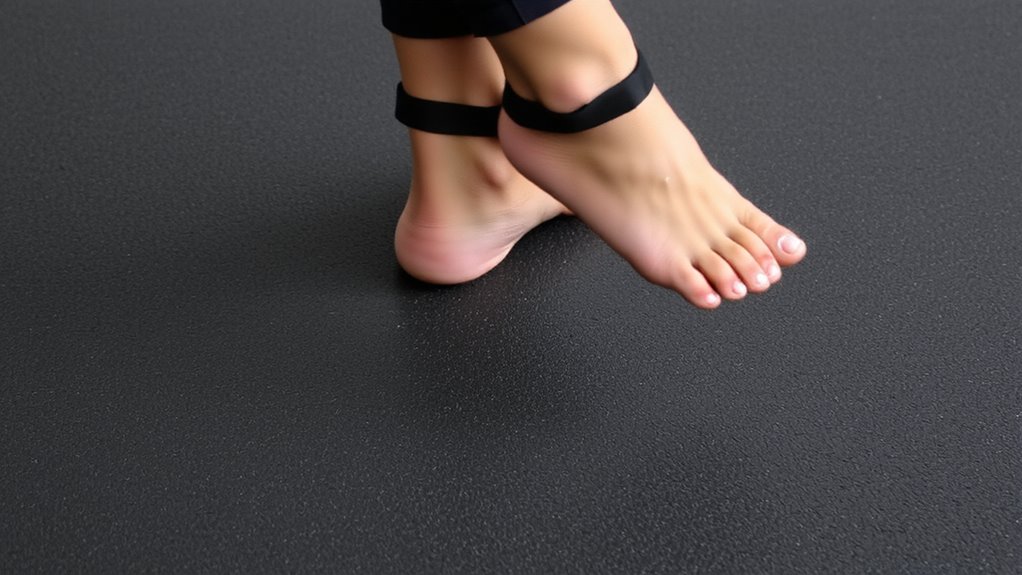
A smart setup starts with the right technique. Anchor the resistance band low, loop it around your forefoot, and sit tall with your leg extended. Proper alignment is key-keep your knee stacked over your ankle and avoid flaring your heel outward. This guarantees targeted dorsiflexion work without compensatory strain. Engage your core lightly and maintain a neutral spine throughout. As you pump your ankle forward and back, focus on controlled breathing: inhale during the return, exhale as you push into dorsiflexion. This rhythm stabilizes your body and enhances movement efficiency. Use a moderate-tension band-too much resistance disrupts form. Perform 2–3 sets of 15 reps per side, moving deliberately. High-quality, latex-free bands offer durability and consistent tension. The design should resist fraying after repeated use, especially near anchor points. With steady practice, the drill integrates seamlessly into mobility routines.
Avoid These Banded Ankle Pump Mistakes
What good is a mobility drill if your form sabotages the gains? You’re risking band discomfort and reducing effectiveness every time you let your heel lift or your knee drift off track. Keep your foot flat and movement controlled-this isn’t about speed, it’s about precision. Using a band that’s too tight or frayed increases the chance of equipment failure, which could lead to sudden strain or injury. Always inspect your resistance band for weak spots, tears, or loss of elasticity before starting. Poor anchoring-like looping the band around an unstable object-also compromises safety and results. Don’t ignore persistent band discomfort; it’s a sign your setup’s flawed, not that you need to push through pain. Opt for durable, looped resistance bands made with latex or reinforced elastic fibers, and secure them firmly at knee height. Proper form and reliable gear guarantee you build mobility safely and consistently.
When to Do Banded Ankle Pumps for Best Results
You’ve sorted out the setup and nailed the form-now timing becomes the difference between progress and plateau. For ideal timing, integrate banded ankle pumps when your joints are warm but not fatigued. This means pre-workout activation or early in your mobility routine. Consistency in performance hinges on rhythm and frequency, not just effort. Doing them daily, especially after prolonged sitting or inactivity, supports lasting gains.
| When to Do | Purpose | Frequency |
|---|---|---|
| Pre-workout | Activate joint range | 1–2 sets |
| Post-workout | Aid recovery | 2–3 sets |
| Morning routine | Counteract stiffness | Daily |
| Sedentary breaks | Maintain mobility | Every 2–3 hours |
This schedule promotes performance consistency. The band’s resistance responds best to rhythmic, controlled motion-timing guarantees you exploit that feedback loop. Ideal timing isn’t rigid; it’s tuned to your movement demands.
Banded Ankle Pump Variations for Mobility Gains
How much more can you squeeze out of a simple banded ankle pump? A lot, if you leverage the right variations. Adding subtle shifts in foot position-like pointing inward or outward-enhances ankle activation across different planes, targeting overlooked stabilizers. You can also elevate your knee slightly to increase dorsiflexion range, intensifying the stretch and boosting joint lubrication through improved synovial fluid circulation. Single-leg pumps isolate imbalances, while slow, controlled reps build neuromuscular control better than rapid motions. Some bands offer adjustable resistance, letting you progress gradually without compromising form. These tweaks aren’t flashy, but they’re effective for building resilient, mobile joints. Used consistently, they support both performance and recovery, especially when paired with proper cooldown routines. For long-term gains, varied banded pumps outperform static stretching alone-making them a smart addition to any mobility toolkit.
On a final note
You’ll find banded ankle pumps effective for improving dorsiflexion and reducing stiffness when done correctly. The resistance band provides consistent feedback, enhancing joint awareness and mobility over time. Used consistently, this drill supports better squat depth, sprinting mechanics, and injury resilience. Just guarantee proper form, avoid common errors like flaring your toes, and integrate it into warm-ups or recovery sessions. It’s practical, portable, and backed by movement science-making it a smart addition to your gear and routine.