Utilizing Foam Rolling Techniques to Promote Effective Muscle Tissue Repair and Growth
You boost muscle repair and growth by using foam rolling to increase blood flow, deliver nutrients, and clear lactic acid. Target key areas like quads, hamstrings, and calves with slow, controlled rolls to reduce soreness and improve tissue quality. Roll pre-workout for warmth or post-workout for recovery, avoiding joints and over-rolling. A firm, full-length roller gives the best results. Doing it right means faster adaptation-there’s more to mastering your recovery just ahead.
Notable Insights
- Foam rolling boosts circulation to deliver oxygen and nutrients essential for muscle repair and recovery.
- It helps flush lactic acid and metabolic waste, reducing soreness and inflammation in overworked muscles.
- Targeting major muscle groups like quads, hamstrings, and calves enhances flexibility and tissue quality.
- Rolling for 30 seconds to 2 minutes per area, especially post-workout, optimizes recovery and adaptation.
- Using the right density and size roller ensures effective pressure without causing bruising or discomfort.
Why Foam Rolling Speeds Up Muscle Recovery
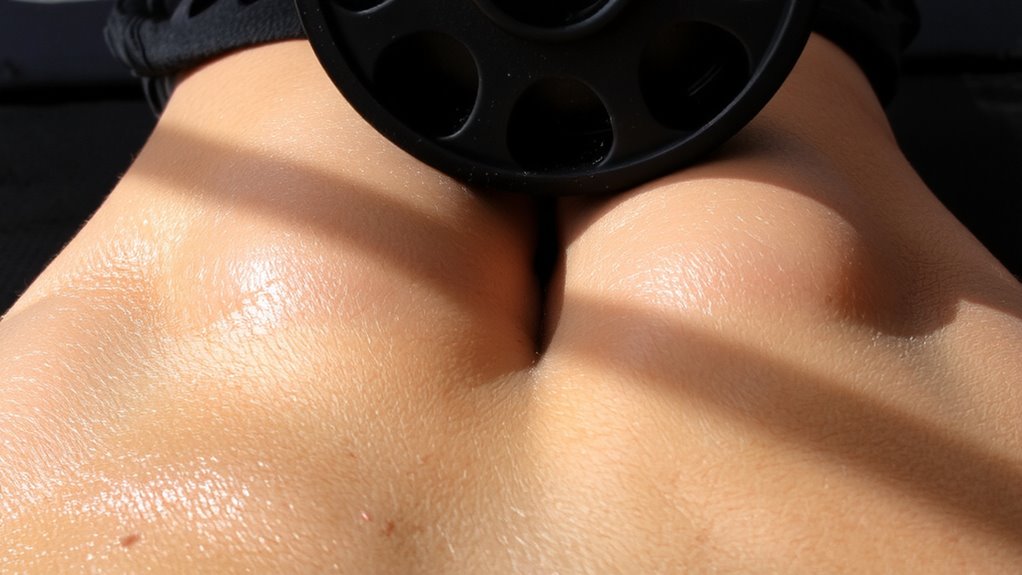
Why does foam rolling seem to ease sore muscles so effectively after a tough workout? You’re likely feeling the benefits of increased circulation and reduced inflammation. When you roll, pressure from the foam cylinder stimulates blood flow to overworked muscle tissue, delivering oxygen and nutrients essential for repair. This enhanced circulation also helps flush metabolic waste like lactic acid, speeding recovery. At the same time, the mechanical input calms overactive trigger points and may modulate pain signals, leading to reduced inflammation on a cellular level. Though not a cure-all, foam rolling works best when used consistently post-exercise. Fitness recovery isn’t just about rest-tools like foam rollers offer measurable, practical support. Their simple design masks effective performance: durable enough for daily use, adaptable across muscle groups, and backed by both athlete testimonials and clinical observations. For optimal results, choosing the right tool matters-consider trying one of the best foam rollers based on density, texture, and individual recovery needs.
Top Foam Rolling Moves for Faster Recovery
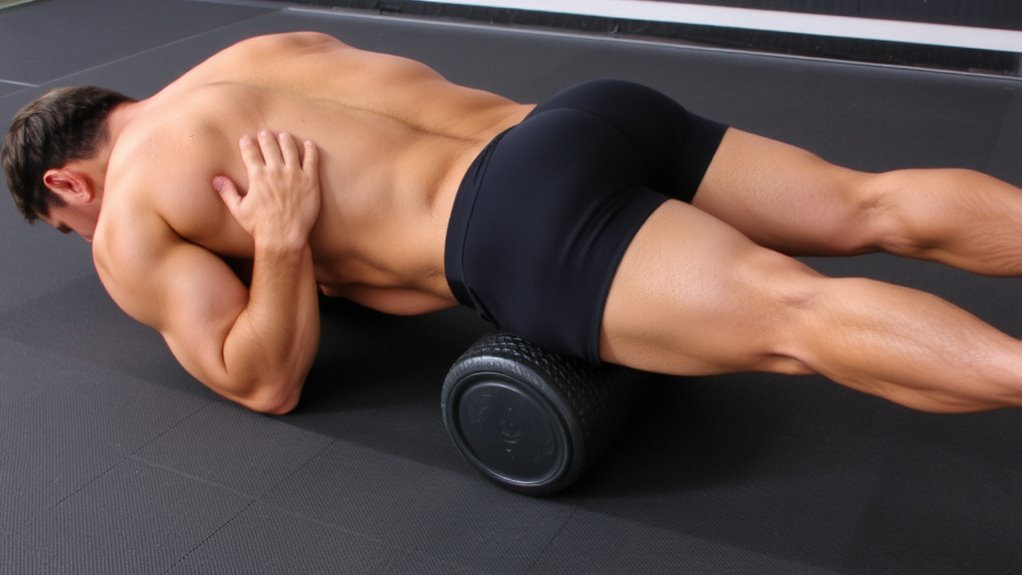
How do you get the most out of your recovery when time and soreness are working against you? Using targeted pressure with foam rolling helps release tension and speeds up muscle repair. These top moves focus on major muscle groups, enhancing blood flow and reducing stiffness. Each technique uses body weight and slow motion to maximize effectiveness. Below are five essential rolls:
| Muscle Group | Technique | Benefit |
|---|---|---|
| Quadriceps | Slow front-thigh roll | Reduces tightness post-run |
| Hamstrings | Seated roll with legs extended | Improves flexibility |
| IT Band | Side-lying roll from hip to knee | Alleviates lateral tension |
| Upper Back | Supported roll using foam roller under shoulder blades | Releases upper back knots |
| Calves | Lifted seat, roll from ankle to knee | Boosts circulation |
These movements, when done correctly, support faster recovery with minimal equipment. You’ll notice improved mobility and decreased soreness using consistent, controlled pressure. For even deeper tissue relief, consider using a vibrating foam roller to enhance blood flow and muscle relaxation.
When to Foam Roll for Growth and Recovery
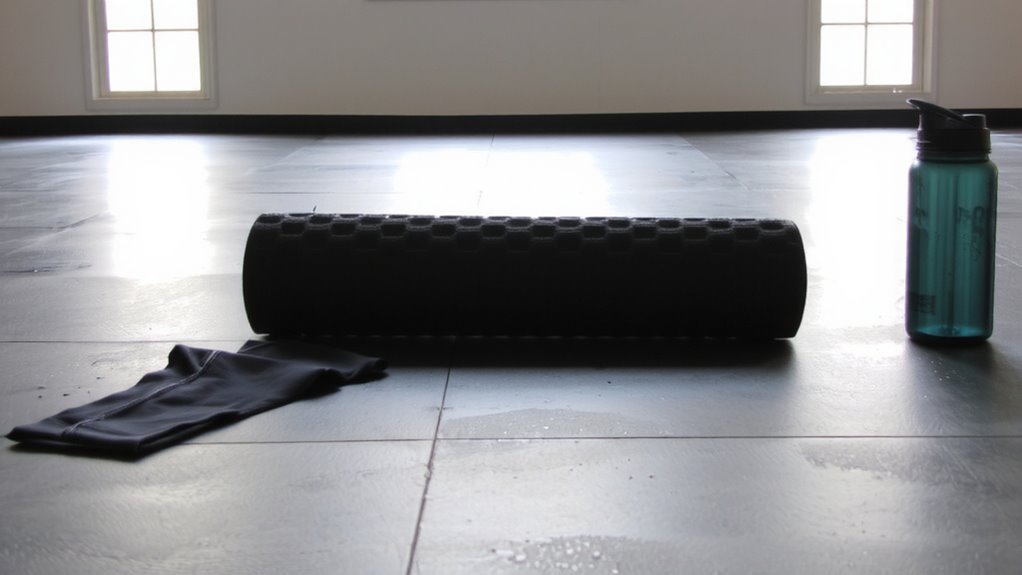
Where should you fit foam rolling in your routine to actually benefit muscle growth and recovery? The ideal timing depends on your goals. Using it pre workout offers real benefits-increasing blood flow and improving tissue elasticity, which primes muscles for activity. You’ll likely move better and feel less stiff during training, especially if targeting tight areas like hamstrings or glutes. But for recovery and growth, post workout rolling supports circulation and may reduce soreness, helping muscles repair more efficiently. Some find daily rolling helpful, particularly on rest days, to maintain tissue quality. While pre workout benefits are performance-focused, post workout and off-day use target long-term adaptation. Don’t overlook consistency-regular use at any time beats sporadic sessions. Pair smart timing with proper technique, and foam rolling becomes more than a warm-up trick; it’s a tool for sustained progress.
How to Choose the Best Foam Roller
A quality foam roller can make a noticeable difference in your recovery routine, but not all rollers deliver the same results. Choosing the right one depends on your needs, targeting specific muscles and recovery goals. Foam density affects pressure intensity-softer rollers suit beginners, while high-density options tackle tight tissue. Roller size influences portability and surface coverage; shorter rollers (12”) are travel-friendly, while longer ones (36”) allow full-body use.
| Feature | Low Density | High Density |
|---|---|---|
| Foam Density | Gentle | Firm, deep pressure |
| Roller Size | 12” (portable) | 36” (full-body) |
| Best For | Beginners | Athletes, deep release |
Consider your routine and recovery demands-your ideal roller balances firmness, size, and usability for consistent, effective results.
Foam Rolling Mistakes That Slow Results
You’ve picked out a foam roller that matches your recovery needs-maybe a high-density 36” model for full-body use or a compact 12” for travel-but even the best gear won’t deliver results if used incorrectly. One of the most common errors is applying incorrect pressure; pressing too hard can bruise tissue, while too little won’t release tight fascia. You should use moderate, controlled force, letting the roller’s density do the work. Poor timing also hampers progress-rolling for less than 30 seconds per muscle group lacks impact, while staying over two minutes may increase soreness without added benefit. Ideal sessions last 10–15 minutes post-workout or on rest days. Avoid rolling directly over joints or bones, and don’t rush through motions. Consistency, correct pressure, and proper timing are critical. Without them, even advanced rollers fail to enhance muscle repair and growth. For deeper tissue work between foam rolling sessions, consider using a best massage gun to target specific muscle groups with percussive therapy.
On a final note
You’ve seen how foam rolling boosts blood flow and reduces muscle stiffness, aiding recovery. When used correctly, it supports tissue repair and prepares muscles for growth. Choosing the right roller-firmness, texture, size-matters for effectiveness. Avoid common mistakes like over-rolling or poor form. Consistent, targeted use delivers the best results, making foam rolling a practical, evidence-backed tool in any recovery routine.