Utilizing Compression Clothing to Enhance Recovery Physiology and Reduce Delayed Onset Muscle Soreness
You’re using compression clothing to support recovery by stabilizing muscles and boosting circulation after intense workouts. It helps reduce DOMS by minimizing microtrauma from eccentric contractions and speeding up lactate clearance. Graduated pressure enhances blood flow and decreases inflammation, especially when worn right after exercise. For best results, pair it with hydration, light movement, and rest-compression helps, but it’s not a shortcut. There’s more to optimizing recovery than gear alone.
Notable Insights
- Compression clothing reduces DOMS by stabilizing muscles and minimizing microtrauma during recovery.
- Graduated pressure enhances blood flow, improving oxygen delivery and metabolic waste removal.
- Wearing compression garments post-exercise supports lymphatic drainage and decreases inflammation.
- Optimal use involves wearing compression for 12–24 hours, especially overnight, after intense workouts.
- Compression works best when combined with hydration, rest, and active recovery practices.
What Is DOMS and Why Does It Happen?
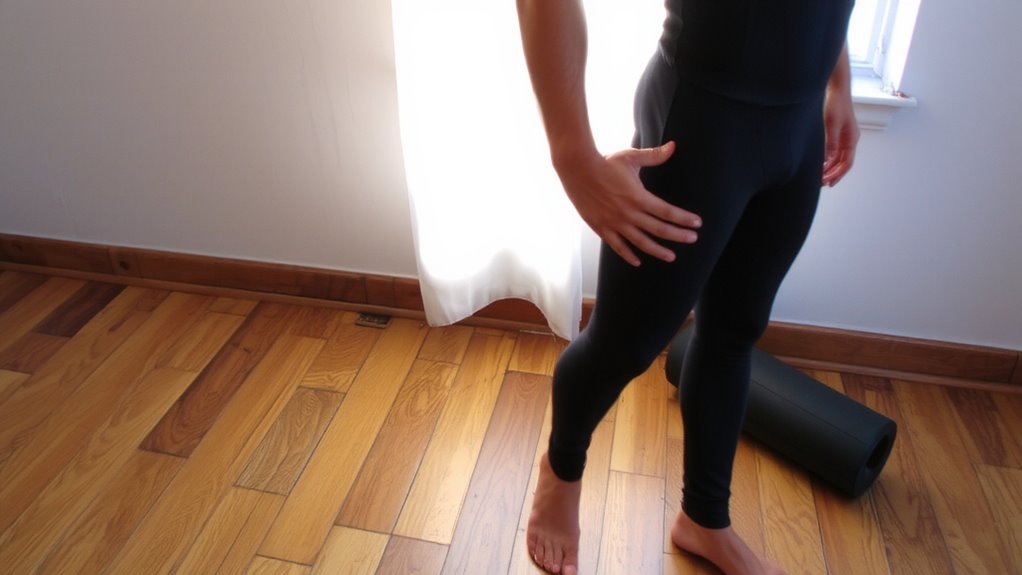
Why do your muscles ache two days after a tough leg day? That soreness you feel is Delayed Onset Muscle Soreness (DOMS), a common response to intense or unfamiliar exercise. When you push your muscles hard, especially during eccentric contractions, you create microscopic tears in the muscle fibers. While this sounds alarming, it’s actually a natural part of building strength-your body repairs these tears, leading to muscle growth. At the same time, intense activity leaves behind metabolic waste like lactate and inorganic phosphate, which contribute to inflammation and discomfort. DOMS typically peaks 24–72 hours post-exercise. Though not harmful, it can affect performance and motivation. While DOMS is a normal adaptation, recovery strategies-especially those involving specialized fitness gear-can influence how quickly you bounce back. Research suggests that wearing compression sleeves may help reduce swelling and improve circulation during recovery.
How Compression Speeds Up Muscle Recovery
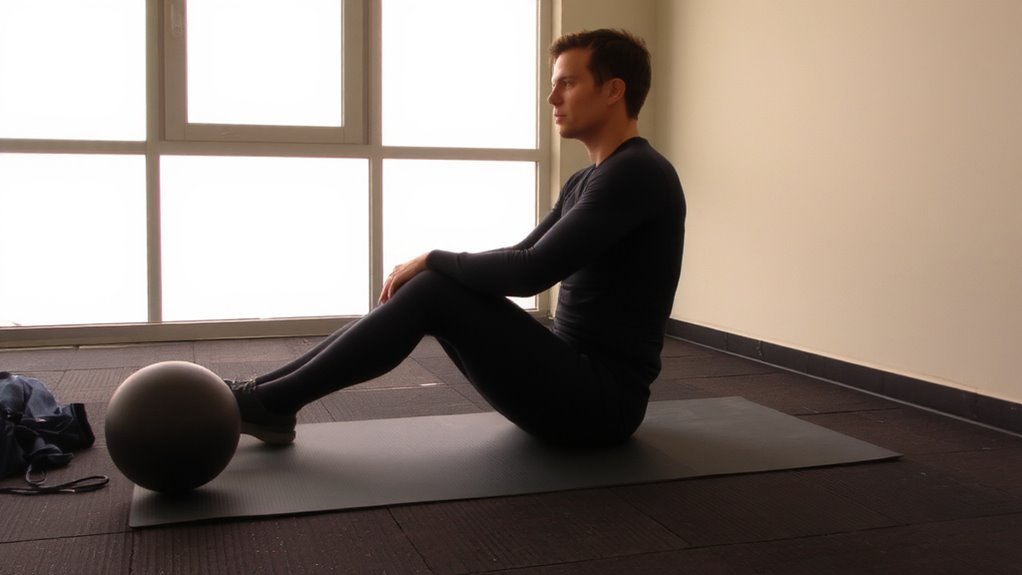
Compression wear acts like a second skin, gently squeezing muscles to support blood flow and reduce swelling after intense workouts. It helps stabilize muscle groups, which can lower vibration-related microtrauma during activity and recovery. By maintaining ideal muscle temperature, the garments create a thermal environment that supports sustained circulation and metabolic efficiency. This warmth also encourages faster cellular repair, as elevated tissue temperatures enhance enzyme activity and nutrient delivery. You’ll likely notice reduced soreness and quicker readiness for subsequent training sessions. While not a magic solution, consistent use during recovery phases shows measurable improvements in perceived fatigue and muscle function. The fabric’s sustained pressure aids in removing metabolic waste, like lactate, more efficiently. Although results vary, many athletes report feeling less stiff and more resilient when incorporating compression consistently. It’s practical, low-risk, and fits easily into post-workout routines. For optimal results, consider wearing best recovery shorts designed specifically for active recovery.
Does Compression Improve Blood Flow and Reduce Inflammation?
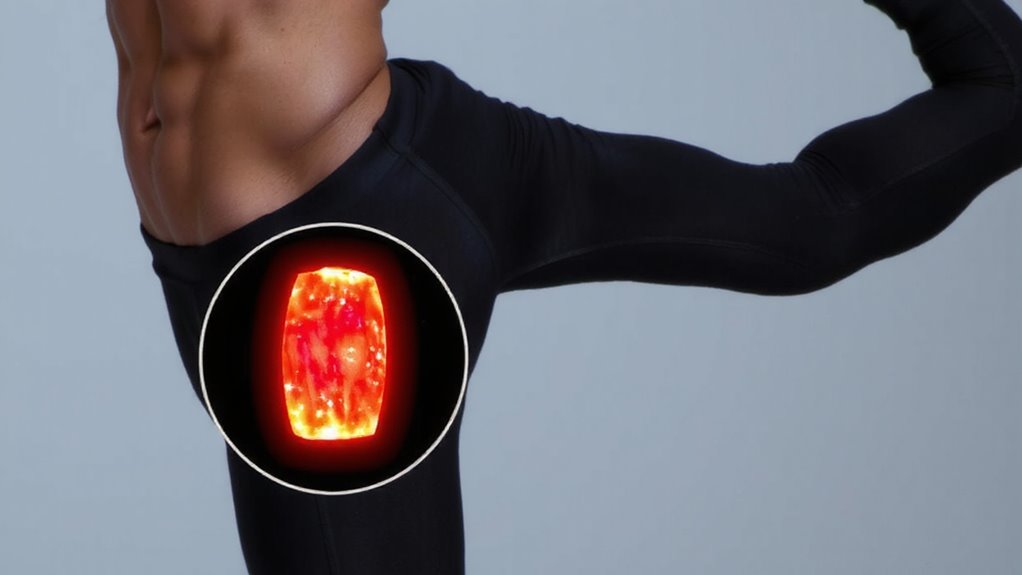
A well-designed compression garment applies graduated pressure to help enhance circulation, and there’s solid evidence it can improve blood flow during recovery. You’ll notice benefits in microcirculation enhancement, which supports oxygen delivery and clears metabolic waste like lactate more efficiently. This isn’t just theoretical-studies show measurable improvements in capillary flow when wearing proper compression. The external pressure also aids lymphatic drainage, helping reduce swelling by moving excess fluid from tissues. That means less inflammation post-exercise, especially after intense workouts. While results vary by fit and fabric quality, garments made with targeted compression zones tend to perform best. You’re not just squeezing muscles-you’re supporting physiological processes. Think of it as active recovery with mechanical assistance. The science backs moderate-to-strong benefits, particularly when compression is worn soon after exertion. It won’t replace rest, but it optimizes the recovery environment. For athletes seeking peak recovery, investing in top-rated recovery sleeves can make a meaningful difference in performance between training sessions.
When to Wear Compression for Maximum DOMS Relief
While you might be tempted to stash your compression gear after a workout, slipping it on immediately post-exercise is when you’ll get the most relief from delayed onset muscle soreness (DOMS). The timing benefits are clear: early use enhances blood flow when muscles need it most, helping clear metabolic waste and reduce inflammation. Research suggests that putting on compression soon after exertion can markedly lessen soreness over the next 24–72 hours. The duration impact also matters-wearing it for 12 to 24 hours post-workout optimizes recovery, with some studies showing better outcomes when worn overnight. You don’t need to wear it indefinitely, but consistent, extended use during this window supports muscle repair. Though individual responses vary, combining prompt application with sufficient duration typically delivers the best results for DOMS relief.
Choose the Right Compression Gear for Your Workout
You’ve just pushed through a tough session and know the clock is ticking for DOMS to set in-getting your compression gear on soon after helps, but only if you’re wearing the right kind. Choosing the correct compression apparel means prioritizing material breathability and fit accuracy above style or brand. Breathable fabrics like moisture-wicking nylon and spandex blends allow air circulation, preventing overheating while still delivering graduated pressure. A snug, body-mapped fit guarantees consistent compression without restricting movement-too loose and it’s ineffective; too tight and it may impair circulation. Look for seamless construction and targeted zones that support major muscle groups used in your workout. Check size charts carefully, as fit accuracy varies between manufacturers. Poorly fitted gear won’t deliver the physiological benefits you need. The right compression wear combines science-backed design with functional materials, making recovery more efficient when worn properly post-exercise.
Combine Compression With Rest, Hydration, and Stretching
Since compression gear alone isn’t a magic fix, pairing it with rest, hydration, and stretching greatly boosts recovery effectiveness. You’re not just reducing swelling-you’re supporting your body’s natural repair processes. Compression enhances circulation, but without proper rest, that benefit diminishes. Hydration plays a key role too; maintaining electrolyte balance guarantees muscles function efficiently during recovery. Even mild dehydration can impair nutrient delivery and slow healing. Combine this with light active recovery-like walking or gentle yoga-while wearing compression, and you encourage blood flow without strain. Stretching afterward improves flexibility and reduces tension. Together, these elements create a recovery routine far more effective than compression alone. It’s not about replacing fundamentals; it’s about enhancing them with smart gear use.
What Compression Can’t Fix About DOMS
Delayed onset muscle soreness, or DOMS, isn’t just discomfort-it’s a sign your muscles are adapting to unfamiliar strain. While compression clothing can support recovery by improving blood flow and reducing inflammation, it can’t override the biological timeline of muscle adaptation. You’ll still feel soreness for 24 to 72 hours post-exercise, regardless of how well your gear fits. Compression won’t mask the impact of poor recovery habits or correct imbalances in training volume. More importantly, it doesn’t address psychological factors like perceived exertion or mental fatigue, which influence how you experience soreness. You might feel supported, but that’s not the same as accelerated healing. Relying solely on compression risks overlooking rest, nutrition, and sleep-key drivers of true recovery. Smart use of gear complements science-backed practices; it doesn’t replace them.
On a final note
You’re likely to find compression gear helpful for recovery, as it supports circulation and may reduce muscle soreness. While it won’t prevent DOMS completely, wearing the right fit at the right time boosts comfort and recovery speed. Combine it with rest, hydration, and stretching for best results. Just remember-compression aids recovery, but it’s not a substitute for smart training and proper care.