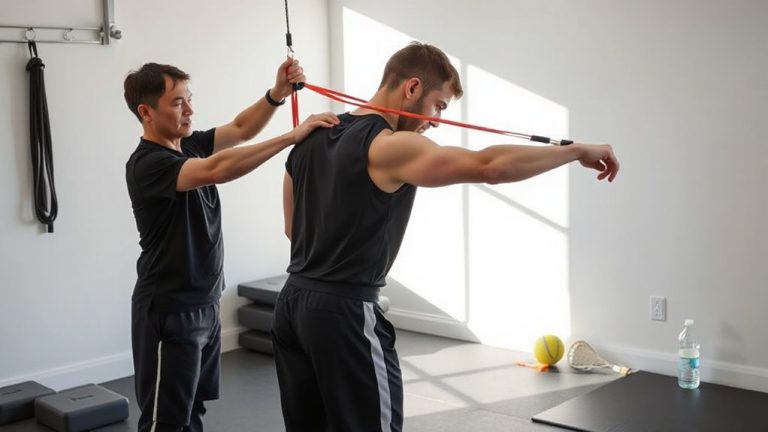
Building Emotionally Intelligent Coaching Strategies to Support Athletic Mental Recovery
You build trust by noticing subtle shifts-mood changes, withdrawn behavior, disrupted sleep-and responding with empathy, not just protocols. Emotional intelligence means listening fully, adapting feedback to each athlete’s needs, and integrating mindfulness or journaling into recovery. It bridges high-tech gear with psychological safety, ensuring tools support mental resilience. You’re not just restoring the body; you’re reinforcing the mind. The next step reveals how to turn these insights into lasting strength.
Notable Insights
- Recognize emotional cues like irritability or withdrawal to identify early signs of mental distress in athletes.
- Practice active listening by focusing on tone, pace, and silence to build trust and uncover hidden concerns.
- Deliver empathetic feedback that validates feelings before guiding athletes toward constructive solutions.
- Tailor coaching approaches to individual emotional needs, adjusting tone and timing for maximum impact.
- Integrate mindfulness, journaling, and downtime into recovery plans to support psychological resilience alongside physical healing.
Define Emotionally Intelligent Coaching

Emotional intelligence in coaching isn’t just a soft skill-it’s a functional framework that shapes how you connect, guide, and elevate clients toward sustainable results. You use emotional awareness to recognize your own reactions and your athletes’ unspoken cues during recovery sessions. This insight helps you adjust your communication, especially when fatigue or frustration surfaces. Empathetic feedback isn’t about agreement-it’s about validation followed by constructive guidance. You acknowledge strain without enabling resignation, supporting mental resilience alongside physical healing. In fitness recovery, where gear like compression devices and foam rollers are tools, not solutions, your emotional intelligence bridges technology and trust. Devices track progress, but your awareness determines how athletes interpret setbacks. You balance data with dialogue, ensuring equipment supports recovery psychology. Empathetic feedback reinforces effort, not just outcomes-turning downtime into growth. It’s not just what you use, but how you respond that determines lasting recovery.
Spot Emotional Warning Signs in Athletes

How do you know when an athlete’s pushing through fatigue and when they’re quietly unraveling? Subtle mood shifts and behavioral changes are your first clues. You’ve seen it-someone who’s usually talkative now sits quietly, or a steady performer suddenly lashes out at teammates. These aren’t just off days; they’re emotional warning signs. Consistent irritability, withdrawal from group activities, or disrupted sleep patterns often precede mental burnout.
| Sign | What It Might Mean |
|---|---|
| Mood shifts | Internal stress or overload |
| Behavioral changes | Struggles with self-regulation |
| Social withdrawal | Emotional disengagement |
You’re not diagnosing-just observing. Spotting these signals early lets you adjust training loads, not just fitness gear, but emotional load too. Recovery isn’t only physical; it’s mental recalibration. Your awareness shapes smarter, sustainable comebacks.
Listen Deeply to Build Real Trust

Presence-full, focused attention-is your most powerful tool when it comes to building real trust with athletes. When you truly listen, not just to words but to tone, pace, and silence, you practice active listening, which shows athletes their feelings matter. You’re not waiting to speak; you’re seeking to understand. This builds trust faster than any drill or pep talk. Real connection comes from genuine empathy-feeling with them, not just for them. It tells the athlete, “I see you,” which is essential during mental recovery. Athletes open up more when they know you’re fully present, not distracted or dismissive. This emotional safety allows deeper dialogue about stress, fatigue, or fear of re-injury-critical in recovery phases. You’ll notice shifts in mood and motivation, helping you adjust support effectively. Listening like this isn’t passive; it’s strategic, intentional, and foundational to emotional intelligence in coaching.
Adapt Your Approach to Each Athlete
Why do some athletes respond better to direct feedback while others need space and gentle encouragement? Because each athlete has unique emotional needs and psychological triggers. You can’t apply a one-size-fits-all approach and expect peak recovery or performance. Tuning into individual motivation means observing how each person processes stress, fatigue, and setbacks. Some thrive on clear, immediate corrections-your personalized feedback fuels their focus. Others shut down under pressure and need supportive language to rebuild confidence. Recognizing these differences improves mental recovery and long-term resilience. When you adapt your tone, timing, and method, you align coaching with the athlete’s internal drivers. This isn’t about lowering standards-it’s about delivering feedback in a way that resonates. Personalized feedback strengthens trust and helps athletes internalize lessons without resistance. Ultimately, adjusting your style isn’t weakness-it’s precision coaching that supports sustained growth.
Create Recovery Plans With Emotional Care
You’ve already learned to adjust your feedback style to fit each athlete’s emotional makeup, and that same individualized mindset should shape how you design recovery plans. Effective recovery isn’t just physical-it’s deeply emotional. Including mindfulness practices helps athletes tune into their mental state, reducing stress and enhancing focus during downtime. Just five to ten minutes of guided breathing or body scans can improve nervous system regulation, especially after intense training. Pair this with emotional journaling, where athletes reflect on their mood, energy, and mindset daily; patterns often emerge that inform better scheduling and support. These tools aren’t replacements for fitness gear like foam rollers or recovery boots, but they complement them by addressing internal load. Coaches who integrate emotional care see more consistent adherence and fewer burnout symptoms. Recovery isn’t just about restoring the body-it’s about honoring the athlete’s full experience.
Help Athletes Bounce Back Stronger
Resilience isn’t just built in the grind of training-it’s forged in how you recover. You develop mental resilience not by avoiding setbacks, but by processing them with emotional intelligence. After a tough loss or episode of performance anxiety, it’s essential to reflect without self-judgment. Emotionally intelligent coaching helps you reframe failure as feedback, guiding your mindset toward growth. Recovery isn’t passive-it’s an active rehearsal for future challenges. When you integrate mindfulness, proper sleep, and structured downtime, you’re not just healing physically; you’re strengthening psychological fortitude. Tools like heart rate variability monitors or compression gear support this process, but only when paired with emotional awareness. The best recovery plans combine data with introspection, letting you return sharper and more focused. Bouncing back stronger isn’t about bouncing back faster-it’s about returning with greater mental resilience and clearer purpose.
Measure Effort, Mindset, and Progress
How do you truly know if your training is moving the needle? You measure effort, mindset, and progress systematically. Effort tracking isn’t just about reps or load-it’s monitoring perceived exertion, heart rate variability, and recovery time to gauge sustainable intensity. Without it, you risk burnout or underperformance. Mindset assessment, on the other hand, reveals how an athlete mentally engages with setbacks and goals. Tools like daily mood logs or psychological scales help identify shifts before they impact performance. Together, these metrics create a clearer picture than physical output alone. For recovery, this data informs when to push or pull back, ensuring emotional and physical balance. You’re not just rebuilding resilience-you’re fine-tuning it. The right fitness gear supports this process, from wearable trackers to recovery devices, but data interpretation is what drives real adaptation.
On a final note
You’ve seen how emotionally intelligent coaching supports athletic mental recovery by recognizing emotional cues, fostering trust, and personalizing strategies. When you integrate active listening and adaptive communication, athletes respond with greater openness and resilience. Recovery isn’t just physical-tracking effort, mindset, and emotional progress guarantees holistic growth. Coaches who blend empathy with structure don’t just repair confidence; they build mental durability, making setbacks opportunities for long-term performance gains and personal strength.