Myofascial Release Prep Before Deep Breathing to Maximize Thoracic Expansion
Tight fascia restricts ribcage motion, limiting deep breathing and oxygen intake. Releasing myofascial tension in the pectorals, lats, and thoracic spine improves thoracic expansion and diaphragm mobility. Tools like vibrating foam rollers and massage balls apply focused pressure to dissolve adhesions that hinder natural breath. Syncing release with exhalation enhances tissue glide and nervous system response. Doing this prep primes your body for fuller, more efficient breathing-what follows reveals how to target each zone effectively.
Notable Insights
- Release tight pectorals to improve anterior rib motion and diaphragm mobility before deep breathing exercises.
- Apply sustained pressure along the thoracic spine to enhance posture and increase lung expansion space.
- Use a lacrosse or massage ball to target adhesions in lats, which can restrict lower ribcage expansion.
- Time myofascial release with exhalation to deepen tissue relaxation and improve fascial glide.
- Roll the upper back with a contoured or vibrating foam roller to boost thoracic mobility and oxygen intake.
Why Tight Fascia Ruins Deep Breathing
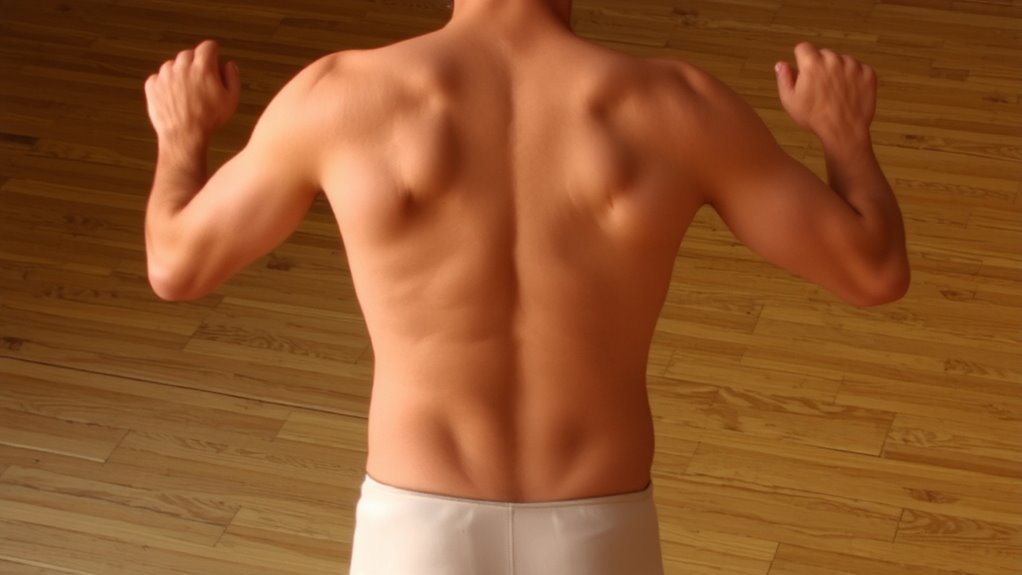
Ever wonder why your deep breaths feel shallow, even when you’re trying to relax or recover post-workout? It’s likely because tight fascia is silently sabotaging your thoracic expansion. Fascial adhesions-thickened, sticky spots in the connective tissue-develop from inactivity, repetitive motion, or injury, and they pull everything out of alignment. When these adhesions wrap around your ribcage or intercostal muscles, they cause restricted mobility, limiting how far your chest can expand. That means less oxygen intake, slower recovery, and compromised endurance. You might not feel pain, but the restriction is real. Foam rollers and targeted tools can help, though consistency matters more than intensity. Top-tier myofascial tools with textured surfaces break adhesions more effectively than smooth ones. For fitness recovery, addressing fascial health isn’t optional-it’s essential. Ignoring it undermines even the best workout gear and routines. A high-quality best foam rollers choice enhances myofascial release and supports optimal breathing mechanics.
Top 3 Myofascial Release Zones for Better Breath
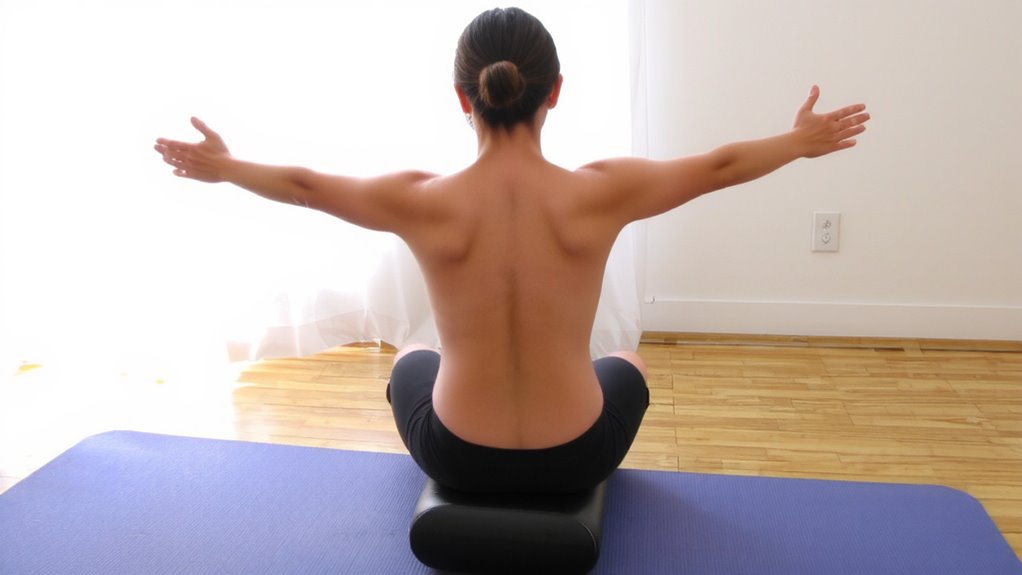
You’ve likely felt how tightness across your chest or upper back can make full, satisfying breaths seem out of reach, even after targeted stretching or foam rolling. That’s because fascial restrictions often linger in three key zones: the pectorals, thoracic spine, and lats. Releasing the pecs improves anterior rib cage motion, directly supporting diaphragm mobility. Applying pressure along the thoracic spine encourages better posture alignment, reducing the slumped position that compresses lung space. The lats, often overlooked, attach to the lower ribs-tightness here restricts lateral expansion. Tools like massage balls or compact rollers allow precise access to these areas. Consistent use enhances fascial glide, preparing the thorax for deeper inhalation. Unlike generic stretching, focused myofascial work targets connective tissue with sustained, moderate pressure. Over time, you’ll notice breath feels less restricted and more integrated. For recovery and performance, these zones deserve attention-your respiration, and posture, will respond. Incorporating the right self-massage tools can significantly improve the effectiveness of myofascial release at home.
How Releasing Fascia Frees Your Ribcage

A significant number of breathing limitations stem not from weak muscles but from restricted fascia binding the ribcage, limiting its natural expansion. This interconnected tissue wraps around muscles, bones, and organs, and when it becomes tight or adhered, it directly compromises rib mobility. You’re not just fighting muscle stiffness-you’re up against a web of fascial tension that can dull respiratory efficiency. Releasing this connective layer helps restore the ribcage’s ability to expand freely during inhalation. Think of it as decluttering the space around your lungs so they can inflate fully. Improved rib mobility means deeper, more effective breaths with less effort. It’s not about brute force; it’s about strategic release. Over time, consistent myofascial work enhances thoracic flexibility, supporting better posture and oxygen flow. You’ll notice it in everyday breathing and athletic recovery alike-your body simply functions better when fascia isn’t holding you back. Using a vibrating foam roller can enhance fascial release by delivering targeted percussion to tight areas.
Best Tools to Release Chest and Back Tension
Releasing tight fascia around the ribcage sets the foundation for improved breathing, but the right tools make the process more effective and consistent. Foam rolling the upper back with a firm cylinder helps loosen stiff thoracic segments, though avoid rolling the chest directly-opt instead for targeted trigger pointing using a peanut ball or lacrosse ball. These smaller, denser tools access tight spots near the sternum and along the spine where tension collects. A contoured foam roller offers better spinal clearance, while textured surfaces enhance grip and myofascial engagement. Trigger pointing takes precision: apply moderate pressure for 30–60 seconds on restricted areas, letting the tissue gradually yield. While foam rolling covers broader regions efficiently, trigger pointing delivers focused release where adhesions limit movement. Both tools require proper technique-rolling too fast or pressing too hard reduces effectiveness. Choose durable, non-porous materials for hygiene and longevity. Used correctly, they markedly reduce chest and back tension.
How to Combine Release and Breathing
Why does myofascial release feel more effective when timed with breath? Because breath timing directly influences nervous system response, making tissue release deeper and more sustainable. When you inhale, your thoracic cavity expands-this is the ideal moment to ease pressure off the fascia. As you exhale, muscles naturally relax, allowing for more precise release sequencing. You’re not just pressing into tight spots; you’re syncing movement with respiration to signal safety to your body. Tools like foam rollers or massage balls work better this way-your diaphragm assists rather than resists. For recovery, this combo enhances oxygen flow and reduces trigger point sensitivity faster than isolated techniques. It’s not just about applying pressure; it’s about when you apply it. Proper breath timing and intentional release sequencing turn routine self-care into functional prep for deeper breathing and improved thoracic mobility.
On a final note
You’ll notice a real difference when you combine myofascial release with deep breathing-tight fascia restricts rib motion, but targeted release opens it up. Using a foam roller or ball on key areas like the upper back and chest improves thoracic expansion. Quality tools with firm, textured surfaces work best. This routine isn’t just recovery; it’s performance prep. Done consistently, it supports better posture, lung capacity, and breathing efficiency, especially post-workout.