Adjusting Resistance Training Volume Based on CRP and Creatine Kinase Levels Post-Delayed Onset Soreness
You should reduce your training volume by 30–50% if CRP or creatine kinase (CK) levels rise after DOMS, since elevated markers signal real muscle damage and systemic inflammation. High CRP means your body’s inflamed; keep intensity low. High CK shows membrane disruption-rest or do light mobility work. Test at 24–72 hours post-exercise for accuracy. Pair results with sleep and nutrition habits. Let data guide your next move, not just how you feel-there’s more to recovery than soreness.
Notable Insights
- Delayed Onset Muscle Soreness (DOMS) correlates with muscle damage reflected in elevated CRP and CK levels post-exercise.
- CRP levels above 3.0 mg/L indicate systemic inflammation, necessitating reduced training volume or rest.
- Elevated CK levels signal muscle membrane damage, warranting decreased resistance training intensity for recovery.
- Test CRP and CK 24–72 hours post-workout to assess muscle damage and adjust training volume appropriately.
- When CRP or CK are high, reduce training volume by 30–50% and prioritize nutrition, sleep, and recovery.
What Really Causes Muscle Soreness After Workouts?
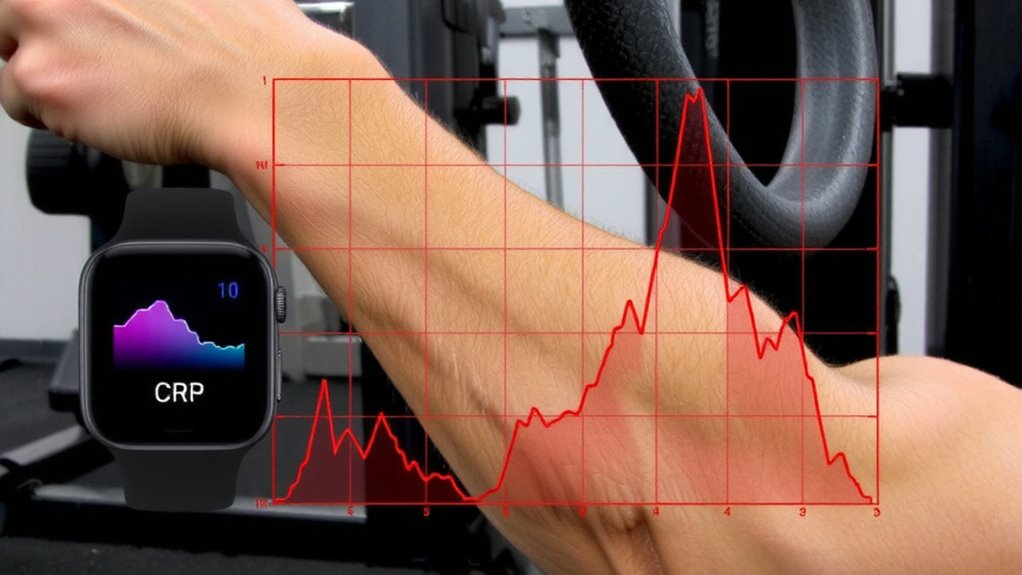
Why do your muscles ache so much a day or two after a tough resistance session? It’s not from lactic acid buildup, as many still believe. That clears within minutes post-exercise. Instead, your soreness stems from microscopic tears in the muscle fibers due to intense or unfamiliar efforts-this is delayed onset muscle soreness (DOMS). While lactic acid contributes to that burning feeling during a set, it doesn’t cause lasting discomfort. Muscle fatigue, however, reflects your neuromuscular system’s temporary inability to sustain force, often tied to depleted energy stores and accumulated metabolic byproducts. Though gear like recovery boots or compression wear may ease symptoms, they don’t accelerate structural repair. You should distinguish between fatigue, which resolves quickly, and soreness, which is structural. Recovery isn’t just comfort-it’s biological adaptation. Ignoring this risks overtraining and poor progression.
How CRP and CK Reveal Muscle Damage and Inflammation
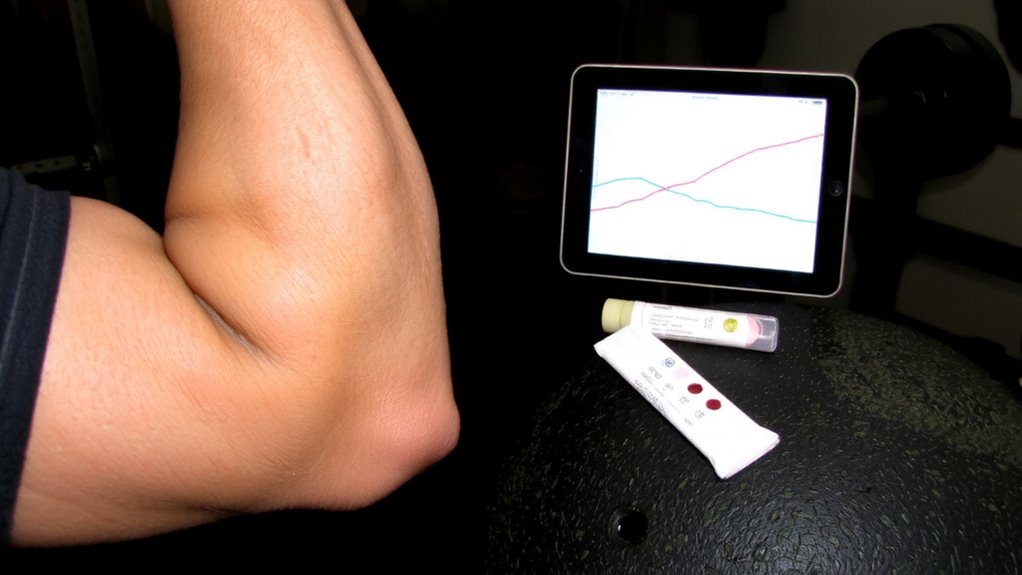
A simple blood test can uncover what your muscles are really going through after a grueling workout, and two markers stand out: C-reactive protein (CRP) and creatine kinase (CK). You release CRP when inflammation occurs, signaling your body’s immune response to stress or injury. Elevated levels suggest ongoing systemic inflammation, common after intense resistance training. CK, meanwhile, leaks into your bloodstream when muscle membranes are compromised-a direct indicator of muscle damage. When you see high CK, it often means protein leakage from damaged fibers, sometimes even pointing to muscle necrosis in extreme cases. While some damage is normal for growth, persistently high levels may signal overtraining. These markers help you gauge recovery needs objectively, letting you adjust training volume effectively. Using them smartly offers more insight than soreness alone, refining how you manage load, rest, and long-term progress without relying solely on how you feel.
When to Test Blood Markers for Recovery Insights
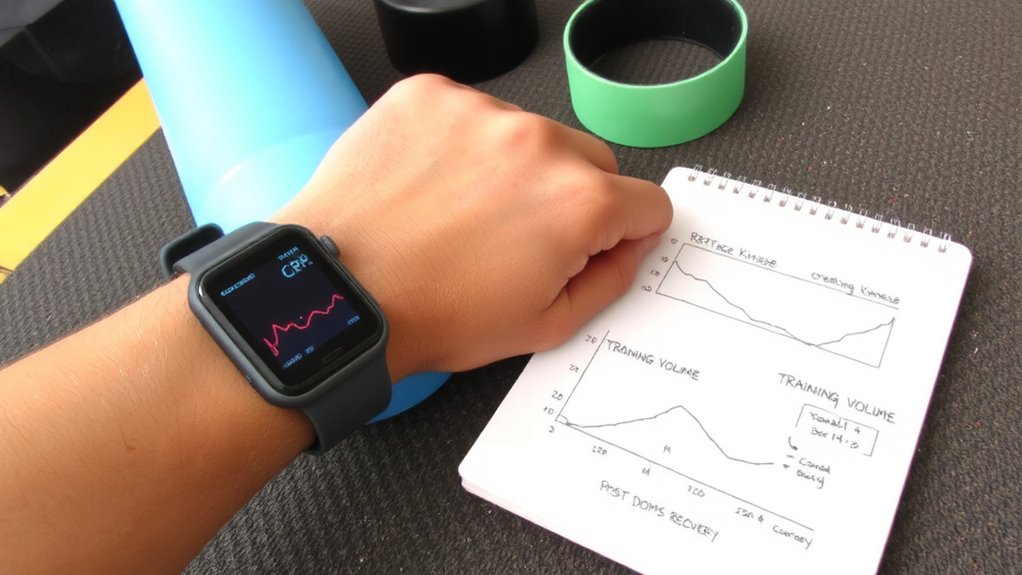
How often should you really be checking your CRP and CK levels to guide recovery? For most resistance trainers, weekly blood timing offers the best balance between insight and practicality. Testing too often-like daily-adds cost and stress without clear benefits, while waiting longer than seven to ten days may miss key recovery trends. Ideal marker frequency depends on training intensity and volume; after heavy lifting phases or hypertrophy blocks, a post-workout test at 24–72 hours followed by another at day 7 gives a clear window into inflammation and muscle repair. Morning tests, fasted, yield more consistent results. You don’t need constant monitoring, but strategic blood timing helps align training adjustments with biological feedback. For serious lifters using recovery gear like compression or cryotherapy, pairing these tools with data sharpens their effectiveness. Regular, smart testing beats frequent guesswork.
What High CRP Levels Mean for Training
When CRP levels rise above the normal range-typically above 3.0 mg/L-it’s a clear sign your body is managing systemic inflammation, often from intense training, inadequate recovery, or underlying health stressors. Elevated CRP can impair cardiovascular health and worsen joint inflammation, making it risky to maintain high training volumes. You’re better off scaling back resistance work to avoid compounding stress. Here’s how CRP levels align with training adjustments:
| CRP Level (mg/L) | Recommended Training Response |
|---|---|
| 0–1.0 | Full volume, normal progression |
| 1.1–3.0 | Moderate intensity, monitor recovery |
| 3.1–10.0 | Reduce volume, focus on mobility |
| 10.1–20.0 | Light activity only |
| >20.0 | Complete rest, seek medical insight |
Ignoring these signals can delay recovery and increase injury risk. Prioritizing recovery supports long-term gains and joint inflammation control.
What High Creatine Kinase Says About Muscle Stress
Think of creatine kinase (CK) as your body’s built-in alarm for muscle stress-when it spikes, your muscles are signaling they’ve taken more damage than they can easily handle. You’re likely experiencing significant muscle fatigue, especially after intense or unfamiliar resistance training. Elevated CK means muscle cell membranes have been disrupted, releasing the enzyme into your bloodstream as part of the damage response. While this is normal to some extent, persistently high levels suggest your repair mechanisms are overwhelmed. This doesn’t just delay recovery-it increases injury risk. Monitoring CK helps you understand whether your body is keeping up with the workload. Ignoring it may lead to overtraining, especially if you’re pushing volume without adjusting for soreness or fatigue. Smart recovery isn’t about resting less-it’s about training smarter, letting repair mechanisms do their job before you challenge them again.
How to Adjust Training Based on Your Biomarkers
Why keep pushing through fatigue when your body’s biomarkers could be telling you to pull back? When CRP or creatine kinase levels stay elevated, it’s a sign you’re not recovering-not just sore, but systemically stressed. If your levels are high post-workout, drop volume by 30–50% and skip intensity for 48 hours. It’s not weakness; it’s smart periodization. Use that time to double down on nutrition timing: consume protein and carbs within 45 minutes post-exercise to aid repair. Poor sleep quality blunts recovery, so aim for 7–9 hours to help normalize biomarkers faster. Tracking these values regularly lets you align training with actual physiological readiness, not just motivation. Ignoring them risks overtraining, injury, and stalled progress. Your fitness gear might track heart rate and reps, but blood markers reveal what gadgets can’t-the internal cost of your effort.
Balance Gains and Recovery With Data-Driven Decisions
How do you know when to push for personal records and when to back off? Your CRP and creatine kinase levels give you the answer. When these biomarkers are elevated post-DOMS, your body is signaling inflammation and muscle damage. Ignoring them can impair recovery and increase injury risk. Instead, use the data to modulate training frequency and workout intensity. High biomarkers? Reduce volume, lower intensity, or take an extra rest day. When levels normalize, you’re ready to ramp up again. This data-driven approach balances progressive overload with recovery, ensuring sustainable gains. Fitness recovery isn’t just about gear like compression or foam rollers-it’s about listening to your body’s internal feedback. Smart training means adapting, not just pushing through. With consistent biomarker tracking, you optimize performance, avoid overtraining, and make informed decisions that support long-term strength development.
On a final note
You’ll recover smarter by tracking CRP and CK levels after intense sessions, since they reveal real inflammation and muscle damage. High values mean you’re overstressed, not just sore. Adjusting volume based on this data helps prevent overtraining while maintaining progress. It’s not about avoiding fatigue-it’s about managing it. Pairing blood markers with quality recovery gear, like compression tools and sleep trackers, fine-tunes adaptation, making gains more sustainable over time.