How to Integrate Trauma-Sensitive Movement Practices Into Recovery Routines
You can integrate trauma-sensitive movement into recovery by prioritizing safety and choice over performance. Start with a calm, uncluttered space that supports bodily autonomy and nervous system regulation. Focus on real-time sensations, not fitness trackers or reps, letting breath guide gentle, grounded motions like walking or rocking. Honor daily boundaries-rest is progress. Movement becomes healing when it’s self-led, not gear-driven. The most effective tools are already within you. You’ll see how small shifts build lasting resilience.
Notable Insights
- Design a calm, predictable space with neutral lighting, uncluttered layout, and clear exits to support emotional regulation and safety.
- Prioritize real-time bodily sensations over performance goals to foster present-moment awareness and nervous system grounding.
- Set daily movement boundaries by honoring inner cues, allowing rest, and saying no to uncomfortable or forced activities.
- Incorporate feet-on-floor movements like walking, stretching, or rocking to enhance body connection and nervous system regulation.
- Let breath guide movement by syncing simple motions with inhales and exhales to build rhythm, safety, and mindful presence.
Start With Safety: Create a Trauma-Sensitive Space
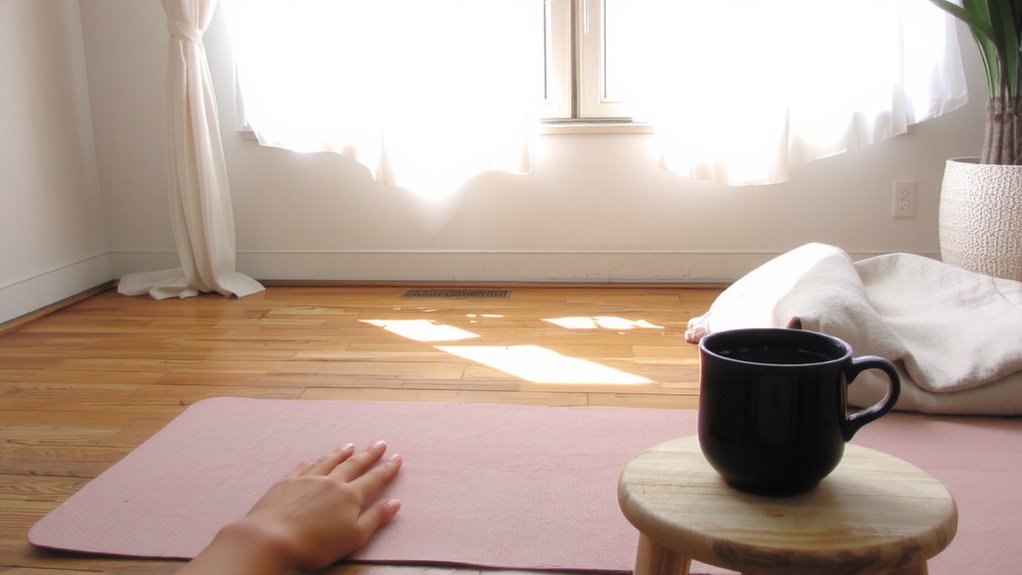
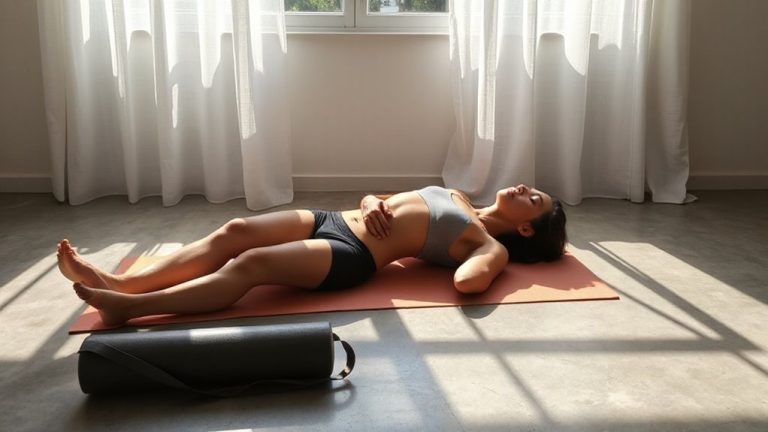
A trauma-sensitive space begins with intentional design-one that prioritizes your sense of safety and bodily autonomy during recovery. You need predictable environments, minimal sensory overload, and access to exits-small details that meaningfully support emotional regulation. Neutral lighting, soft textures, and uncluttered layouts help you stay grounded, making body awareness easier to maintain. Consider using supportive, non-restrictive fitness gear like breathable leggings or cushioned mats; these tools don’t just enhance comfort-they signal safety to your nervous system. Unlike high-performance equipment geared for intensity, trauma-sensitive tools emphasize choice and control. Rugs with non-slip backing, adjustable bolsters, and quiet spaces let you engage at your pace. These design choices aren’t just practical-they’re clinically relevant. Consistently using such spaces reinforces that you’re in charge, which is essential for emotional regulation. Over time, this setup supports deeper body awareness and builds trust in movement again-without pressure or performance demands. For back sleepers managing neck pain, using a pillow with proper spinal alignment support can further enhance physical comfort during restorative practices.
Feel Your Body: Follow Sensations, Not Goals
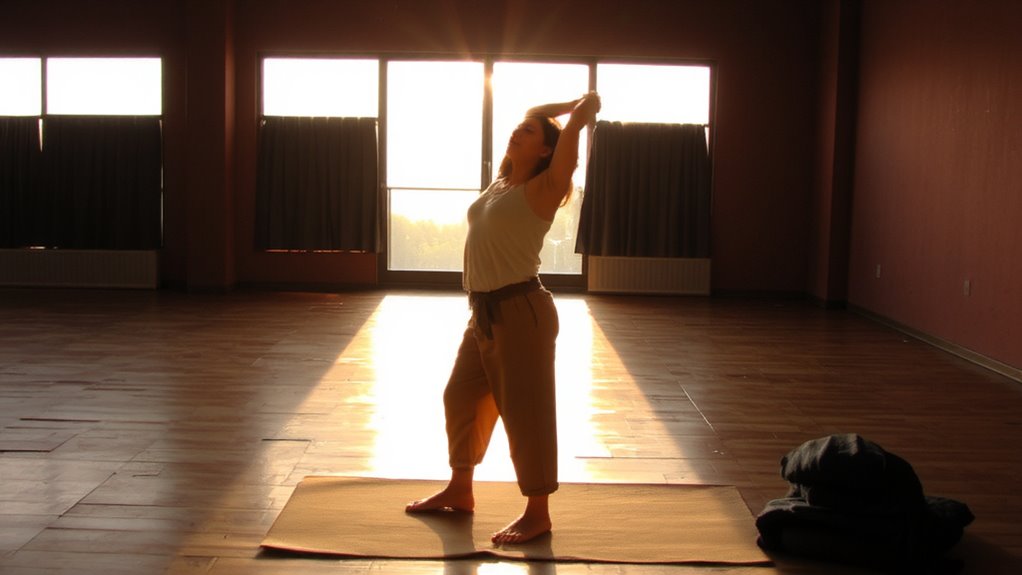
Your body’s sensations are your most reliable guide in trauma-sensitive movement, offering real-time feedback that goals or performance metrics simply can’t. Instead of pushing for intensity or duration, you’re invited to tune into body awareness, noticing subtle shifts in tension, warmth, or ease. This practice grounds you in the present moment, where healing begins-not in achievement, but in attentive presence. You learn to distinguish discomfort from pain, effort from strain, using sensation as your compass. Unlike rigid fitness routines or high-tech gear that track reps and heart rate, trauma-sensitive movement values internal cues over external data. It doesn’t matter if you’re using a basic mat or supportive clothing-what matters is how you feel. Performance isn’t measured by progress markers, but by increased connection, safety, and responsiveness in your body. Following sensations builds trust, gently reshaping your relationship with movement.
Say No Without Guilt: Set Movement Boundaries Daily
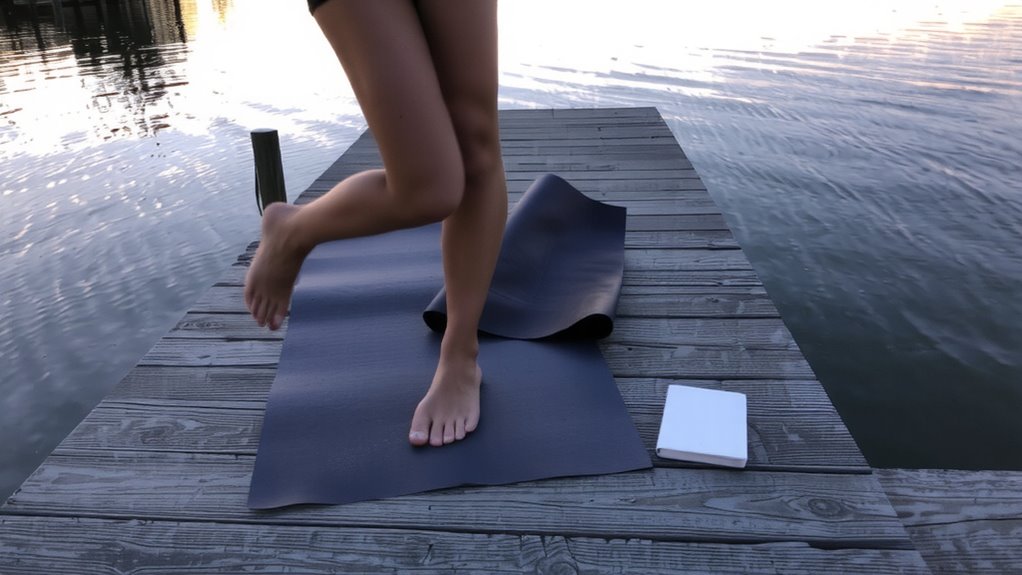
Listening to your body isn’t complete without honoring what it tells you-and that means you’ve got to set limits without apology. Saying no to movement that doesn’t feel right builds self trust and reinforces empowerment, especially in recovery. You don’t have to push through discomfort to prove progress. Trauma-sensitive practices prioritize choice, and choosing rest is just as valid as choosing activity. Daily boundary-setting sharpens awareness and protects your energy. It’s not about rejecting movement altogether-it’s about intentional participation. When you honor your limits, you cultivate a routine rooted in respect, not obligation. Fitness recovery isn’t measured by intensity but by sustainability and consistency. Gear like supportive footwear or flexible mats can help, but they don’t replace inner guidance. True progress starts when you stop seeking external validation and start trusting your internal signals. That’s where lasting healing begins.
Try Feet-On-Floor Moves: Walk, Stretch, or Rock Gently
Grounding begins with contact-feet meeting floor, pressure felt, stability sensed. These simple, feet-on-floor moves like walking, stretching, or gently rocking build effective grounding techniques into your recovery. They don’t demand intensity; instead, they invite mindful awareness through slow, intentional motion. When you walk, notice each heel-to-toe roll. As you stretch, feel muscles lengthen without force. While rocking, observe how momentum connects breath to body. These actions are accessible, require no fitness gear, and suit nearly every environment. Their power lies in consistency and presence, not performance. You’re not aiming to “fix” anything-just to return, again and again, to sensation and stability. Research supports such low-impact routines for regulating the nervous system. They work because they’re repeatable, non-threatening, and deeply human. Over time, this practice strengthens your ability to self-soothe, making daily recovery not just physical, but emotionally resilient.
Let Your Breath Lead: Sync It With Simple Motion
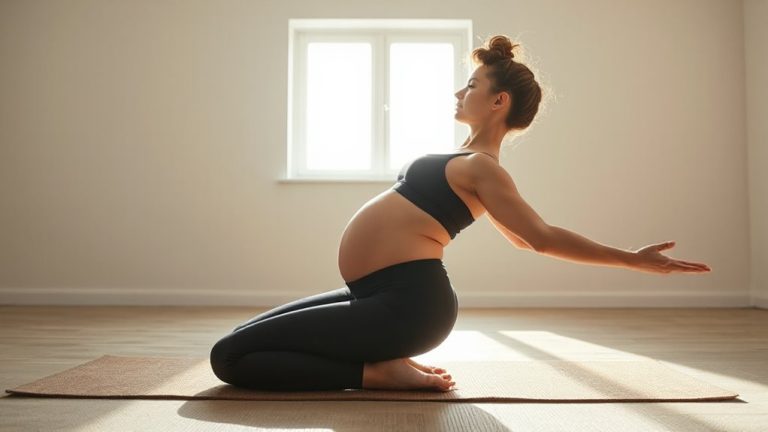
When movement flows with the rhythm of your breath, even the simplest motions become tools for regulation and recovery. You don’t need specialized fitness gear or intense workouts-just breath awareness and intentional motion. Syncing your inhales and exhales with gentle actions, like raising your arms or swaying side to side, creates a rhythmic flow that calms the nervous system. This coordination isn’t about performance; it’s about presence. You’ll notice how deliberate breathing tempers reactivity, grounding you in the moment. Unlike high-output routines, this practice prioritizes safety and internal feedback over measurable output. Over time, the rhythmic flow between breath and motion enhances body awareness without strain. It’s especially valuable in early recovery, where overwhelming sensations must be avoided. Equipment isn’t necessary-just your body and focus. This method’s efficacy lies in its simplicity, offering a sustainable pathway to resilience without risk of retraumatization.
Build a Trauma-Sensitive Routine That Lasts
You’ve already begun tuning into your body’s rhythms through breath-led movement, and now it’s time to structure that awareness into something sustainable. Building a routine that lasts means honoring your personal pacing-progress isn’t measured by speed or intensity, but by consistency and self-awareness. Start with short sessions, gradually increasing duration only when you feel grounded. Incorporate a mindful shift between activities, like seated breathing before standing movement, to signal safety to your nervous system. This prevents overwhelm and supports regulation. Use supportive fitness gear, such as non-slip mats or comfortable clothing, to enhance bodily security. These tools aren’t luxuries-they improve focus and reduce sensory stress. Evaluate what works weekly; adjust timing, posture, or environment as needed. Lasting practice isn’t about perfection, but responsive care. When you prioritize presence over performance, movement becomes a reliable anchor in recovery, not another demand on your system.
On a final note
You’ve learned that trauma-sensitive movement strengthens recovery by prioritizing safety and self-awareness over intensity. Gear like supportive footwear or non-slip mats enhances stability during grounded practices. These tools, combined with breath-led motion and clear boundaries, improve nervous system regulation. You’re more likely to stay consistent when routines feel safe, not forced. This approach doesn’t just aid healing-it reshapes how you relate to your body long-term, making recovery sustainable, not just physical.