Applying Heat Wraps to Chronic Lower Back Pain Before Rehab Exercises
You can use heat wraps to loosen tight lower back muscles before rehab by boosting blood flow and improving tissue elasticity. They help deliver oxygen, reduce stiffness, and prepare muscles for movement. Choose wraps with durable, breathable materials and secure closures for consistent warmth. Avoid using heat during acute flare-ups-opt for cold instead. Pair 20 minutes of heat with gentle stretches like cat-cow for best results. Smart use enhances recovery and sets a strong foundation for effective exercise-there’s more to optimizing this routine just ahead.
Notable Insights
- Heat wraps increase blood flow to tight lower back muscles, enhancing oxygen delivery and preparing them for rehab exercises.
- Applying heat for 20 minutes before stretching improves muscle elasticity and reduces stiffness in chronic lower back pain.
- Use a durable, well-fitted heat wrap with consistent heat output to ensure safe and effective pre-rehab treatment.
- Avoid heat during the first 72 hours after injury; use cold therapy instead to prevent increased inflammation.
- Combine heat therapy with gentle stretches like knee-to-chest or cat-cow for faster pain relief and improved mobility.
Why Heat Loosens Tight Lower Back Muscles
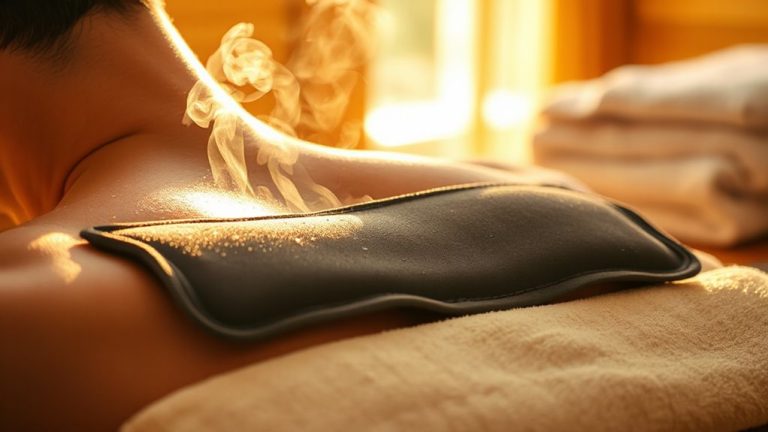
While your lower back muscles may feel stiff after long periods of inactivity or intense workouts, applying heat helps relax those tight tissues by boosting circulation and increasing elasticity in the muscle fibers. The enhanced blood flow delivers more oxygen and nutrients to the area, which supports muscle relaxation and speeds up recovery. You’ll often notice reduced stiffness within minutes, making heat therapy a practical pre-rehab step. Unlike aggressive interventions, heat wraps offer a non-invasive way to prepare muscles for movement, especially before stretching or light exercise. Consistent use can improve tissue pliability over time, though results depend on proper temperature and duration. When used correctly, heat therapy balances effectiveness with safety, making it a trusted component in fitness recovery routines. It’s not a cure-all, but as part of a broader strategy, it clearly enhances readiness for rehabilitation. For optimal results, consider using one of the best heating pads recommended for consistent, controllable heat delivery.
Choose the Best Heat Wrap for Back Pain
How do you find the right heat wrap when so many options promise relief but deliver inconsistent results? You need one that balances comfort, performance, and longevity. Look for strong material durability-neoprene or reinforced elastic holds up to repeated use and resists fraying during rehab routines. Thin, low-quality fabrics may tear quickly, especially when stretched across the lower back. Adhesive strength matters just as much; weak fasteners slip mid-movement, disrupting heat application. Opt for wraps with medical-grade closures that stay secure without irritating skin. Some wraps use hook-and-loop systems that lose grip over time, so check user feedback on long-term performance. A well-built heat wrap stays in place during activity, maintains even warmth, and withstands regular cleaning. Choosing wisely means consistent therapy and better preparation for rehab exercises. For reliable options, consider the best heat packs based on performance and user satisfaction.
Apply Heat Wraps Safely Before Rehab
Since proper preparation can make or break your rehab session, applying a heat wrap the right way guarantees you get the most out of both therapy and exercise. You should always check your skin sensitivity before turning on the wrap-especially if you’re using an electric model with adjustable settings. Start on a low heat level to avoid irritation, particularly if you have thin or reactive skin. Never exceed the recommended wrap duration, usually 20 to 30 minutes, to prevent overheating or burns. Make sure the wrap fits snugly but not too tight, allowing even heat distribution across your lower back. Look for models with auto-shutoff and fabric barriers for added safety. Using the wrap too long won’t speed up recovery; it can actually increase inflammation. Following these guidelines assures effective, safe warmth that prepares your muscles without risking injury.
Know When to Use Cold Instead
Why reach for cold when your back’s flaring up? Because ice therapy works best during acute inflammation, especially right after an injury or sudden strain. Heat can worsen swelling in those first critical hours, so you’re better off cooling things down. Cold reduces blood flow to the area, slowing inflammation and numbing sharp pain. For the first 48 to 72 hours post-injury, apply ice packs for 15–20 minutes every few hours. Modern cold wraps are flexible and fit your back well, offering efficient relief. Don’t use them directly on skin-always wrap in a thin towel. While heat wraps support recovery in chronic cases, ice therapy targets acute inflammation with precision. You need both tools, but timing matters. Using cold at the right moment prevents prolonged swelling and speeds healing. Your recovery gear should include both, chosen based on symptoms, not habit. A best product for back pain relief can make a significant difference in managing both acute and chronic episodes effectively.
Pair Heat Wraps With Stretching for Faster Relief
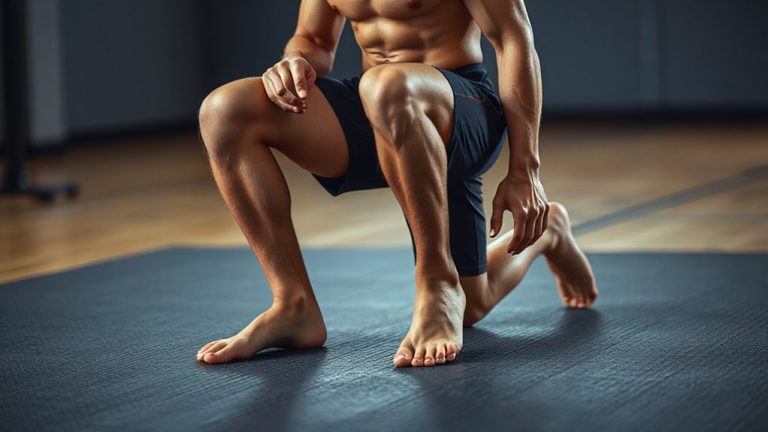
While heat wraps alone can ease stiffness and improve circulation in your lower back, pairing them with targeted stretching often leads to faster, more lasting relief. The gentle heat helps trigger muscle relaxation by loosening tight fibers and increasing blood flow, which prepares your body for effective stretching. When you combine this with controlled, low-impact stretches-like knee-to-chest or cat-cow movements-you enhance flexibility and reduce strain on connective tissues. This dual approach supports significant pain reduction, especially when used before rehab exercises. Clinical observations suggest that patients who integrate heat and stretching report quicker improvement than those who rely on heat alone. The synergy between warmth and movement optimizes soft tissue response, making it a smart recovery strategy. For best results, maintain consistent timing-apply the heat wrap for 20 minutes, then move directly into your stretch routine.
On a final note
You’ll find heat wraps effective for loosening tight lower back muscles before rehab, improving blood flow and tissue elasticity. Most models deliver consistent, therapeutic warmth for 8–12 hours, supporting mobility work. Still, they’re not ideal for acute inflammation-use cold therapy then. Paired with stretching, quality wraps enhance recovery, but consistent, safe application matters. Choose adjustable, medical-grade options over single-use pads for better long-term results.