The Role of Wearable Neuromuscular Electrical Stimulation (NMES) in Preventing Atrophy
You can use wearable NMES to prevent muscle atrophy by delivering gentle electrical pulses that trigger contractions when movement is limited. It keeps your neuromuscular system active, preserving fiber strength and tone without joint strain. Ideal during recovery or inactivity, these lightweight, programmable devices offer targeted, adjustable stimulation through comfortable, skin-placed electrodes. Used correctly, they’re a practical tool for maintaining muscle health. You’ll find there’s more to discover about optimizing your recovery routine effectively.
Notable Insights
- Wearable NMES delivers electrical pulses to muscles, mimicking neural signals to prevent disuse atrophy during immobility.
- It maintains muscle fiber integrity by inducing contractions without voluntary movement, slowing degradation from inactivity.
- Regular use helps preserve strength and muscle mass by keeping the neuromuscular system engaged during recovery periods.
- Targeted electrode placement ensures precise stimulation of motor points for effective, comfortable, and consistent muscle activation.
- Portable and programmable devices enable safe, at-home therapy with adjustable settings for personalized atrophy prevention.
What Is Wearable NMES and How Does It Work?
Electrical pulses-that’s the core of wearable NMES, or neuromuscular electrical stimulation. You use it to trigger muscle contractions when movement is limited, relying on controlled signal delivery through embedded electronics. These devices send low-level currents via electrodes placed directly on your skin-electrode placement is critical, targeting specific motor points to guarantee effective activation. Most wearables integrate flexible pads or textile-based conductors, streamlining both comfort and consistency. You adjust frequency and intensity based on your needs, though ideal settings often require some trial and error. The tech has evolved beyond bulky units; today’s models are lightweight, programmable, and designed for daily use. While not a full replacement for active exercise, its precision in signal delivery makes it a credible tool in fitness recovery. As wearable fitness gear grows smarter, integrating NMES into routine maintenance shows real practical promise-provided you use it right. Top models on the market now offer targeted muscle stimulators performance with enhanced programmability and user-friendly designs.
How Wearable NMES Prevents Muscle Loss in Immobility
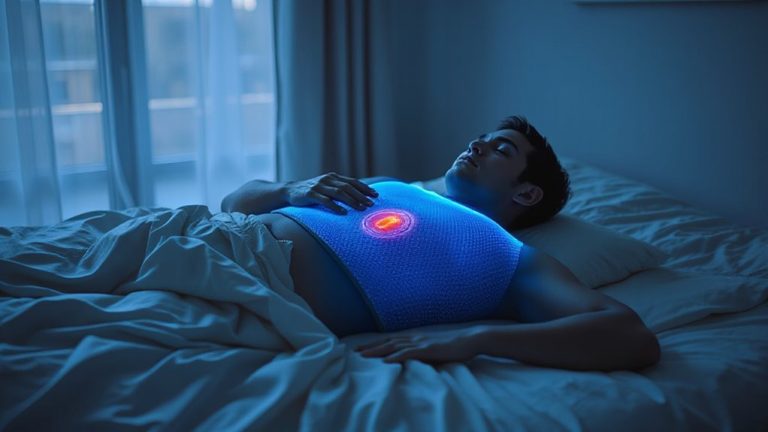
While you’re stuck with limited movement, whether from injury or post-surgery recovery, maintaining muscle mass becomes a real challenge-this is where wearable NMES steps in as a practical defense against atrophy. You’ll experience regular electrical pulses that trigger neural activation, mimicking the brain’s signals to contract muscles even when you can’t move. This consistent stimulation supports muscle preservation by maintaining fiber integrity and protein synthesis. Unlike passive recovery, wearable NMES keeps your neuromuscular system engaged, reducing strength decline during inactivity. Several top-performing devices offer effective at-home treatment, making best EMS devices accessible for ongoing muscle maintenance.
| Benefit | How It Helps You |
|---|---|
| Neural activation | Triggers muscle contractions without voluntary effort |
| Muscle preservation | Slows degradation of muscle fibers |
| Portability | Use during daily rest or recovery routines |
| Adjustable intensity | Customize sessions based on comfort and need |
Who Benefits Most From Wearable NMES Therapy?
Who really stands to gain the most from slipping on a wearable NMES device during recovery? You do-if you’re dealing with prolonged immobility, managing chronic pain, or pushing hard in athlete recovery. Individuals with limited mobility benefit from the device’s ability to maintain muscle tone without joint strain. If you live with chronic pain, NMES helps activate muscles gently, improving circulation and reducing disuse atrophy without exacerbating discomfort. For athletes, wearable NMES speeds up athlete recovery by enhancing blood flow and stimulating muscle contractions post-exercise, decreasing downtime. The tech is lightweight, user-friendly, and designed for regular use, making it ideal for those needing consistent muscle engagement. While not a standalone fix, it’s a strong supportive tool-especially when you’re balancing rehabilitation with daily life. You’ll find it most effective when integrated into a broader recovery strategy. Top-performing devices like the best EMS machines offer advanced features for effective home therapy.
Using Wearable NMES Safely at Home: A Practical Guide
How do you make sure your home use of wearable NMES is both effective and safe? Start by reviewing safety precautions and manufacturer guidelines before your first session. Proper device placement is essential-electrodes must align with muscle groups targeted in your therapy plan. Avoid bony areas or irritated skin. Below is a quick-reference table to guide your routine:
| Session Step | Key Action | Purpose |
|---|---|---|
| Preparation | Clean and dry skin | Guarantees good electrode contact |
| Device Placement | Position pads as directed | Maximizes muscle activation |
| Intensity | Gradually increase stimulation | Prevents discomfort or strain |
| Duration | Stick to recommended time | Avoids overuse and fatigue |
| Post-Session | Inspect skin & store properly | Supports hygiene and device care |
Consistency with safety precautions enhances benefits while minimizing risk.
Top Wearable NMES Devices for Recovery and Daily Use
Your recovery journey gets a boost when you choose the right wearable NMES device-one that balances clinical effectiveness with everyday convenience. Units like the Compex Edge, TENS+ Muscle Stimulator, and PowerDot Smart 2.0 stand out for their portability, adjustable intensity, and muscle-specific programs. You’ll find that device comparisons often highlight Bluetooth connectivity and app integration, which help you track sessions and adjust settings on the go. User experiences suggest wearable designs with self-adhering pads-like those from Marc Pro-offer longer session comfort, while others prefer reusable gel pads to reduce ongoing costs. Battery life typically ranges from 5 to 20 hours, influencing daily usability. Though all deliver neuromuscular activation, your choice should depend on ease of use, treatment goals, and whether recovery or maintenance is your focus. Clinical backing and real-world feedback both matter when picking your best fit.
On a final note
You’re getting more than just convenience with wearable NMES-it’s a practical tool for fighting muscle atrophy during inactivity. Devices are compact, easy to use, and clinically backed when applied consistently. While they don’t replace exercise, they support recovery well, especially post-injury or during rehab. Pairing smart design with targeted stimulation, quality units deliver reliable results. Just follow safety guidelines and choose trusted models to get real value from your recovery gear.