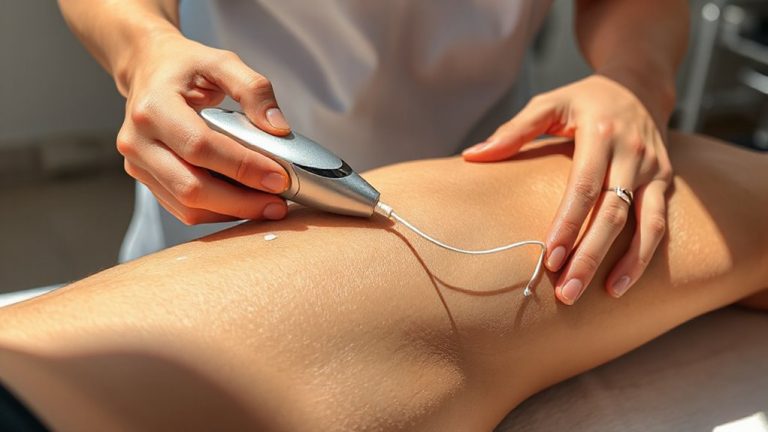
Unlock the Benefits of Heat Therapy: Enhancing Muscle Flexibility and Relaxation
You can access heat therapy’s benefits by using it 48 hours post-workout, once initial inflammation fades. It boosts blood flow, relaxes tight muscles, and improves flexibility, especially with moist heat, which penetrates deeper than dry. Always apply heat for 15–20 minutes through a towel to avoid burns, then stretch gently for better results. Pairing proper technique with quality gear enhances recovery-there’s more to optimizing this method than most realize.
Notable Insights
- Apply heat 48 hours post-exercise to reduce stiffness and enhance muscle relaxation.
- Use moist heat for deeper penetration and faster improvement in muscle flexibility.
- Heat therapy increases blood flow, delivering oxygen and nutrients for better recovery.
- Stretch after heating to safely improve joint mobility and muscle elasticity.
- Limit sessions to 15–20 minutes with a protective barrier to prevent skin irritation.
When to Use Heat Therapy for Sore or Stiff Muscles
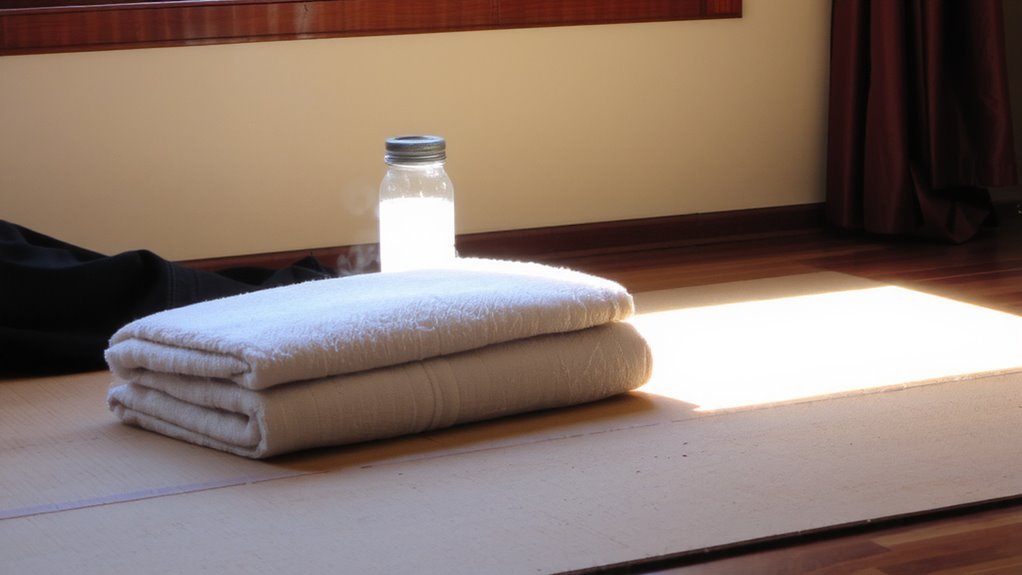
While your muscles may feel tight after a tough workout or long day, applying heat at the right time can make a noticeable difference in your recovery. The timing benefits are clear: heat therapy works best 48 hours post-exercise or once past the initial inflammation stage. During later injury phases-like subacute or chronic-heat helps relax tissues and ease stiffness. Applying it too soon after an injury, though, can worsen swelling. So, wait until pain becomes dull and constant, not sharp. This strategic use enhances effectiveness, supporting muscle repair without interfering with natural healing. Quality heating pads or wraps with adjustable settings allow consistent, safe application. Used correctly, heat therapy integrates well into recovery routines, especially when paired with proper rest and hydration. It’s not just about comfort-it’s about working with your body’s healing rhythm for ideal results. For optimal results, consider using one of the best heat packs recommended for soothing comfort and consistent heat delivery.
How Heat Therapy Boosts Muscle Flexibility and Blood Flow
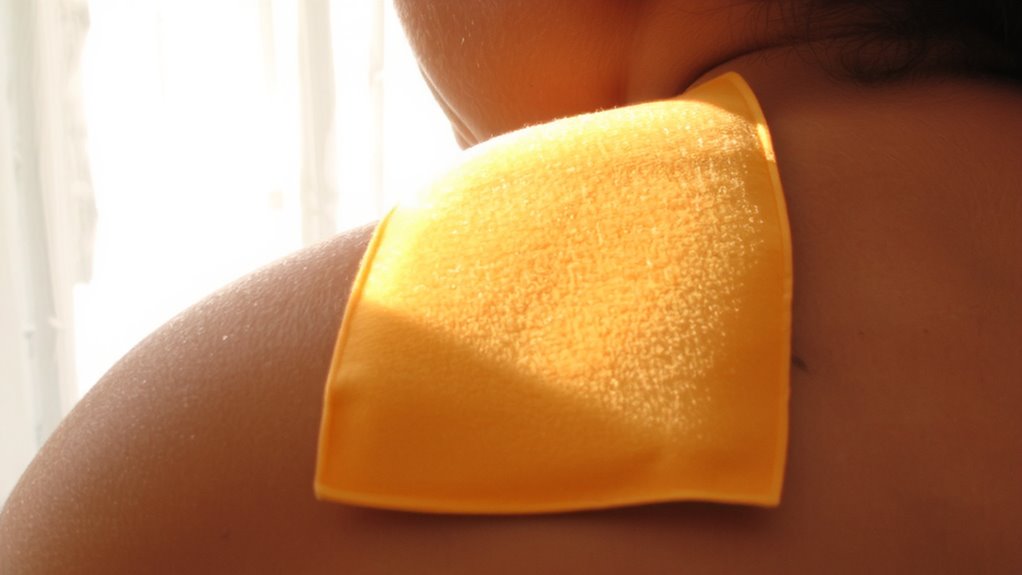
When your muscles feel stiff or restricted, applying heat can make a real difference in how well they respond to movement and recovery work. Heat promotes thermal expansion in muscle fibers, allowing them to relax and lengthen more easily. This process also affects the surrounding connective tissue, reducing stiffness and increasing joint range of motion. Improved blood flow delivers more oxygen and nutrients, which supports faster recovery after physical activity. You’ll find consistent heat application-via quality heating pads or wraps-helps maintain flexibility during cooldowns or rehabilitation. Using a well-designed heating pad can enhance the effectiveness and comfort of heat therapy sessions.
Dry vs. Moist Heat: Which Is Better for Muscle Recovery?
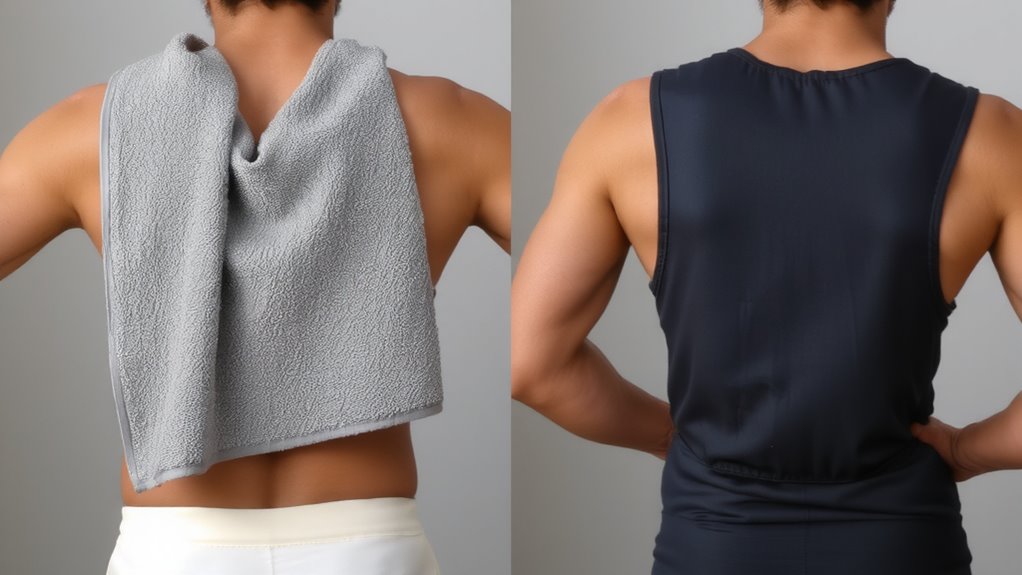
You’ve likely felt how heat loosens tight muscles and supports recovery by boosting circulation and tissue elasticity, but not all heat delivers those benefits the same way. Dry heat, like that from heating pads or saunas, warms the skin’s surface quickly but offers limited heat penetration, making it less effective for deep muscle relief. Moist heat, such as steam towels or hydrocollator packs, transfers warmth more efficiently due to water’s superior conduction, allowing deeper heat penetration to reach sore tissues. While treatment duration is similar-typically 15 to 20 minutes-moist heat often provides faster, more noticeable relief. Though dry options are convenient and easier to maintain, moist heat generally outperforms in recovery settings where deeper warmth and quicker results matter. For targeted muscle therapy, especially after intense workouts, moist heat’s balance of efficiency and depth makes it the preferred choice among fitness enthusiasts and therapists alike.
Stretch After Heating? How to Improve Flexibility Safely
Why do your muscles feel looser after a heat session? Because heat boosts blood flow and enhances muscle elasticity, prepping your body for safer stretching. When your tissues are warm, they respond better to movement, allowing you to improve joint mobility without straining. That’s why stretching right after heating-whether with a heating pad or warm shower-works so well. You’re not just loosening tight spots; you’re encouraging a fuller range of motion. But don’t push too hard. Gentle, sustained stretches are more effective than bouncy, aggressive ones. Hold each for 20–30 seconds, focusing on major muscle groups. This combo of heat and stretching supports long-term flexibility and recovery. It’s a smart, science-backed strategy fitness enthusiasts use to maintain performance. Just remember: heat opens the door, but controlled movement walks you through. Done consistently, this routine can make daily activities easier and workouts safer.
Safe Heat Application: Avoid Burns and Skin Irritation
A well-designed heat therapy routine delivers real benefits, but safety must come first-especially when applying heat directly to your skin. Heat intensity matters: always set your heating pad or wrap to a moderate, comfortable level-never high. Excessive heat, even for short periods, can cause burns or redness, especially if you have sensitive skin or reduced sensation. Always place a thin towel between the heat source and your body to diffuse the temperature. Timing duration is equally critical; limit sessions to 15–20 minutes to prevent overheating. Never fall asleep with a heating device running. Moist heat units offer deeper penetration but require closer monitoring. With consistent use and attention to heat intensity and timing duration, quality heat therapy gear supports recovery safely. Choose devices with auto-shutoff features and even heat distribution for reliable, low-risk performance.
On a final note
You’ll find heat therapy effective for loosening stiff muscles and boosting flexibility, especially when applied before stretching. Moist heat often outperforms dry heat by penetrating deeper and increasing blood flow more efficiently. Used correctly, it enhances recovery without risk-but always limit sessions to 15–20 minutes to prevent burns. Paired with proper gear like adjustable heating wraps, it becomes a practical, reliable tool in your recovery routine.