Nutrient Timing for Sleep Recovery During Two-a-Day Training Periods
You need smart nutrient timing to recover fully between two-a-day workouts. Eat slow-digesting casein protein like cottage cheese or Greek yogurt before bed to fuel overnight muscle repair. Pair smart carbs such as sweet potatoes or oats post-workout to replenish glycogen. Include unsaturated fats earlier in the evening for hormone support without slowing nighttime digestion. This strategic approach aligns with your body’s natural rhythms-fine-tuning it could optimize your recovery even further.
Notable Insights
- Prioritize casein-rich foods like cottage cheese or Greek yogurt before bed for sustained overnight muscle protein synthesis.
- Consume slow-digesting carbohydrates such as oats or sweet potatoes post-evening workout to replenish glycogen stores.
- Time pre-sleep meals 60–90 minutes before bed to optimize digestion and nutrient availability during deep sleep.
- Include unsaturated fats from sources like almonds or avocado earlier in the evening to support hormonal recovery.
- Combine protein and complex carbs after the second workout to enhance insulin sensitivity and muscle repair.
Why Sleep Is Critical for Two-a-Day Recovery

While you’re pushing through back-to-back training sessions, it’s during sleep that your body actually makes sense of the stress you’ve imposed. High sleep quality isn’t just restorative-it’s foundational for recovery, allowing your nervous system to reset and muscles to adapt. Without it, even the most optimized fitness gear and training plans fall short. During deep sleep, your body regulates cortisol and boosts growth hormone release, directly influencing hormonal balance critical for repair and performance. Poor sleep disrupts this cycle, increasing injury risk and slowing progress. Recovery isn’t passive; it demands intentional conditions-like consistent sleep timing and minimizing disturbances-to maximize physiological returns. Monitoring sleep quality with wearable tech can provide actionable insights, especially during intense training blocks. Ultimately, sleep isn’t downtime-it’s when your body consolidates gains, making it non-negotiable for athletes tackling two-a-day sessions. Prioritize it like any key workout.
How Nighttime Nutrient Timing Speeds Muscle Repair
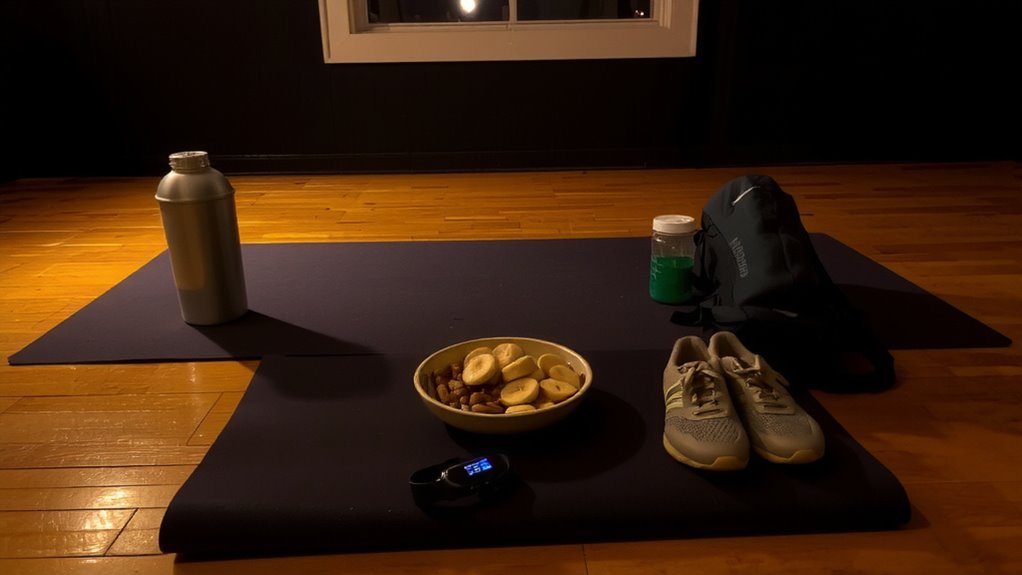
Because your muscles undergo significant breakdown during intense training, what you eat before bed can make or break your recovery-especially during two-a-day sessions. Consuming nutrients strategically at night supports sustained muscle synthesis throughout sleep, turning rest into an active repair phase. Slow-digesting proteins and complex carbs stabilize amino acid delivery, preventing catabolism and promoting recovery optimization. Research shows that pre-sleep nutrition enhances overnight protein availability, which is critical when recovery windows are tight. You’re not just refueling-you’re extending the anabolic window beyond training. This timing aligns with natural hormonal rhythms, amplifying growth hormone effects. Without proper fuel, even quality sleep falls short. Thoughtful nighttime nutrient timing isn’t a minor tweak; it’s a proven strategy to accelerate adaptation. For athletes pushing limits twice daily, this approach maximizes gains, reduces soreness, and prepares your body for the next challenge-ensuring every hour counts, even while you’re asleep.
Best Protein to Eat Before Bed for Recovery
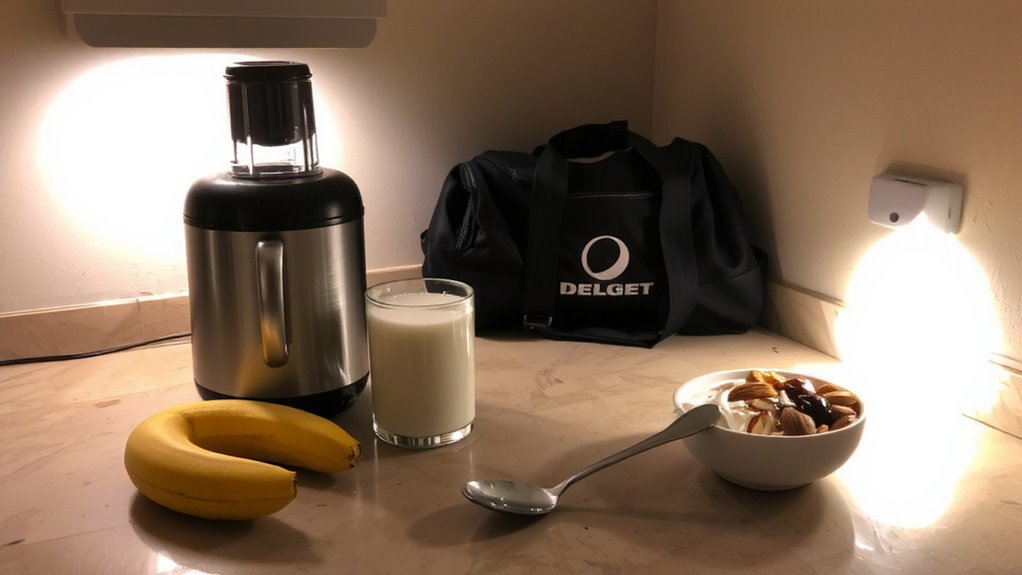
You’ve already seen how feeding your body at night turns sleep into a recovery powerhouse, especially when you’re logging double workouts. Now, choosing the right protein sources makes all the difference. Casein is your best bet before bed-it digests slowly, giving a steady amino acid release throughout the night. That slow digestion speed means muscles keep repairing while you sleep, which is essential during intense training blocks. Unlike fast-digesting whey, casein forms a gel in the stomach, prolonging absorption. Greek yogurt, cottage cheese, and casein supplements are solid choices. They’re easy to digest and fit well into a nighttime routine. While whole foods offer added nutrients, a casein shake gives precise control over protein intake. For recovery between two-a-days, this sustained supply helps reduce muscle breakdown and supports repair. Timing matters, but so does digestion speed-prioritize slow-release protein sources to maximize overnight gains.
Smart Carb Choices to Refuel After Double Workouts
After pushing through two grueling workouts in a single day, your glycogen stores are depleted, and your body needs smart carb choices to recover effectively. Focus on high-quality carbohydrates that support glycogen replenishment without spiking blood sugar excessively. Options like sweet potatoes, oats, and bananas are ideal-they provide steady glucose release and enhance insulin sensitivity, helping shuttle nutrients into muscle cells efficiently. Pairing these carbs with a touch of protein post-workout boosts recovery even further. You don’t need elaborate fitness gear to manage this; consistency in timing and food quality matters more. Highly processed carbs may refill glycogen quickly but often reduce insulin sensitivity over time, undermining long-term recovery. Choose whole-food sources to maintain metabolic balance, support nighttime repair, and prepare your body for the next training bout. Smart carb timing isn’t about convenience-it’s about strategic recovery that aligns with your physiology.
Do Fats Help or Hinder Overnight Recovery?
A well-balanced post-workout meal often includes fats, but their role in overnight recovery during two-a-day training periods is more nuanced than carbohydrates. While fats support hormone balance and cell repair, their slow fat digestion can delay nutrient absorption if consumed too close to bedtime. You need fats-but timing and type matter. Unsaturated fats tend to be more efficiently processed and support circadian-related hormone production, like cortisol and testosterone, which aid recovery. To optimize sleep recovery, choose moderate portions of healthy fats.
| Fat Source | Impact on Recovery |
|---|---|
| Avocado | Supports hormone balance |
| Almonds | Slows digestion slightly |
| Olive oil | Enhances nutrient uptake |
| Whole milk | May slow fat digestion |
| Fatty fish | Boosts overnight repair |
Prioritize quality fats early in the evening to avoid disrupting sleep-driven recovery.
When to Eat: Dinner vs. Bedtime Snack Timing
Getting your fat intake right sets the stage for effective overnight recovery, but when you eat matters just as much as what you eat-especially during demanding two-a-day training blocks. You need to take into account meal distribution to maintain energy and support muscle repair throughout the night. Eating a large dinner too close to bedtime can disrupt sleep and blunt insulin sensitivity, reducing nutrient uptake when you need it most. Instead, aim for a balanced dinner 2–3 hours before bed, followed by a small, protein-rich snack 30–60 minutes before sleep. This timing supports sustained amino acid availability without spiking insulin too late. Research shows this approach improves overnight recovery by aligning with natural metabolic rhythms. Proper timing doesn’t just aid recovery-it enhances training adaptation, helping you perform better in that second daily session.
Sample Pre-Sleep Meal Plan for Double Sessions
What should your last meal of the day look like when you’re grinding through back-to-back training sessions? Focus on meal composition that blends slow-digesting protein, complex carbs, and healthy fats to support overnight recovery. Try a small bowl of cottage cheese with oats and a few almonds, or a turkey roll-up with avocado and spinach. Portion control is key-overeating disrupts sleep, while undereating won’t fuel repair. Keep servings modest: about 20–30 grams of protein and a palm-sized portion of carbs. This balance promotes muscle synthesis without taxing digestion. Timing matters too-eat 60 to 90 minutes before bed so digestion kicks in by lights out. Consistency in pre-sleep nutrition amplifies recovery gains, especially when paired with quality sleep hygiene and proper training load management.
On a final note
You’ll recover better during two-a-day sessions when you time nutrients wisely. Eating protein before bed supports overnight muscle repair, while smart carb choices replenish glycogen. Fats don’t hinder recovery if consumed in moderation. Aim for a balanced pre-sleep meal or snack 60–90 minutes before bed. Pair this strategy with quality sleep hygiene and durable recovery gear-like compression wear or foam rollers-for best results. Timing matters, but consistency seals the deal.