How Wearable Recovery Score Algorithms Integrate Multiple Biometrics for Personalized Plans
Your wearable combines heart rate variability, sleep stages, and muscle fatigue to gauge your recovery, using algorithms that weigh autonomic balance and rest quality. While HRV trends reflect nervous system strain, sleep depth and duration support repair-yet scores adjust based on activity load and personal history. Not all devices interpret data equally; transparent models give clearer insight into recovery drivers. Choosing one with proven accuracy helps tailor rest to your body’s real needs. There’s more to take into account when matching tech to your recovery goals.
Notable Insights
- Wearable algorithms combine HRV, sleep quality, and activity load to assess daily recovery readiness.
- Resting heart rate trends help detect autonomic stress, influencing recovery score adjustments.
- Sleep stage analysis, including deep and REM, informs tissue repair and cognitive recovery.
- Muscle fatigue metrics integrate recent exertion and recovery history for accurate scoring.
- Personalized insights use biometric baselines, accounting for individual physiological differences.
How Recovery Scores Use Your Body’s Signals
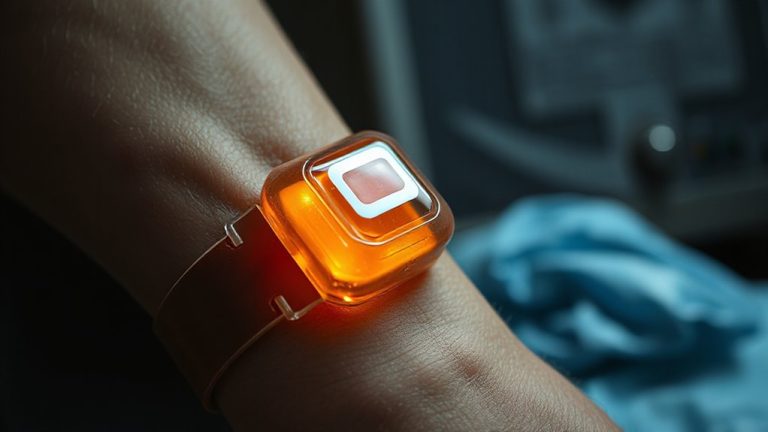
While your body recovers from exercise, wearable devices are already analyzing the signals it sends out, turning physiological data into a recovery score you can act on. Your heart rate, especially resting heart rate trends, gives insight into autonomic stress-lower than usual often means better recovery. Elevated readings may signal fatigue or strain. Sleep quality, tracked through movement and breathing patterns, plays a major role, as deep, uninterrupted sleep supports muscle repair and mental resilience. Devices combine these metrics to deliver a single score, simplifying complex biologies into actionable feedback. It’s not perfect, but having continuous data improves awareness. These tools work best when you use trends over time, not just daily numbers. Though convenient, they’re limited by sensor accuracy and individual variability. Still, they help bridge the gap between elite training insight and everyday fitness use.
What Biometrics Drive Your Personal Recovery Score
Your recovery score hinges on a handful of key biometrics that wearables track around the clock, turning raw data into a snapshot of readiness. Sleep quality is central-devices analyze your deep and REM cycles, restlessness, and total duration to assess restorative rest. Poor sleep slashes recovery, and wearables flag it instantly. Heart rate variability (HRV) reflects autonomic balance, revealing how well your body handles stress. Lower HRV often means you’re drained or overtrained. Muscle fatigue metrics, derived from activity load, heart strain, and recovery trends, estimate physical exhaustion. Together, these signals give a nuanced view: you might sleep well, but accumulated muscle fatigue from intense training still drags your score down. Wearables blend these inputs with decent accuracy, though they can overestimate recovery if you’ve done untracked strength work. Still, for guiding daily effort, they’re valuable-if used critically.
Turning Data Into Daily Recovery Advice
Because wearables collect biometric signals like HRV, sleep stages, and activity load, they’re able to convert raw data into actionable recovery advice-though how they do it varies by brand and algorithm design. You receive daily recommendations because these devices use complex models to analyze patterns, but the quality of data interpretation matters. Some brands deliver clear, science-backed insights, while others rely on opaque systems that make it hard to assess accuracy. That’s where algorithm transparency becomes essential: without knowing how your score is generated, it’s tough to trust the guidance. Devices that share methodology-like showing how poor sleep or high exertion impacts recovery-help you make informed choices. You’re not just following a number; you’re learning how your body responds. Still, inconsistent standards across platforms mean you should treat advice as a general guide, not an absolute measure. Your best recovery strategy combines wearable feedback with personal awareness.
Why Your Body Needs a Custom Recovery Plan
If recovery were one-size-fits-all, then every body would bounce back the same after a hard workout, but that’s not how physiology works. Your genetic predisposition influences how fast your muscles repair, how deeply you sleep, and even how your heart responds to stress. Combine that with your lifestyle habits-like sleep quality, diet, and daily activity-and it’s clear why generic advice falls short. Two people can follow the same training plan, yet one wakes up refreshed while the other feels drained. That difference isn’t random; it’s shaped by biology and behavior. Without a custom recovery plan, you risk overtraining, burnout, or stalled progress. Wearable algorithms help decode these individual patterns by analyzing biometrics in context, allowing for smarter rest strategies. Personalization isn’t just convenient-it’s essential for sustainable performance and long-term health.
Picking the Right Wearable for Your Recovery Goals
What makes one wearable better for recovery tracking than another? It’s not just about features-it’s how well they serve your recovery goals. Device accuracy matters most; without reliable heart rate variability (HRV) and sleep stage detection, your recovery score could be misleading. You need sensors that consistently capture core biometrics like resting heart rate and skin temperature. Battery longevity is equally essential-nothing disrupts recovery insights like daily charging. Devices lasting five days or more guarantee uninterrupted tracking, especially overnight. Think about fit, too: snug but comfortable for 24/7 wear. Some wearables overpromise with flashy apps but underdeliver on data precision. Focus instead on models known for clinical-grade accuracy and seamless background monitoring. Your recovery plan depends on trustworthy inputs, so choose a wearable that balances performance, battery longevity, and real-world reliability.
On a final note
Your wearable’s recovery score pulls heart rate variability, sleep quality, and activity levels to guide rest and performance. These biometrics, combined with algorithms, offer personalized insights most users find accurate and actionable. While high-end models deliver more precision, even mid-tier devices help you avoid overtraining. Ultimately, the best gear aligns with your goals, providing reliable data to keep your recovery smart, timely, and effective.