Delaying Return to Normal Loads Until Baseline HRV Values Are Regained Post-Deload in Tactical Athletes
You should delay returning to full training until your HRV rebounds to baseline after a deload, since restored values confirm your nervous system is ready for stress. Low HRV increases injury risk and impairs decision-making, while a stable return signals real recovery. Chest-based ECG trackers give the most accurate field data. Pushing too soon undermines resilience-waiting pays off in performance and safety. There’s more to think about when optimizing readiness.
Notable Insights
- Delaying return to full training until baseline HRV is restored ensures autonomic nervous system recovery.
- Low HRV post-deload indicates residual fatigue, increasing injury and performance failure risks.
- Parasympathetic rebound during deloading signals nervous system reset and readiness for reintegration.
- Tracking nocturnal HRV coherence provides objective insight into recovery quality and readiness.
- Returning prematurely without HRV normalization compromises tactical performance and mission safety.
Why HRV Determines When Tactical Athletes Can Return to Duty
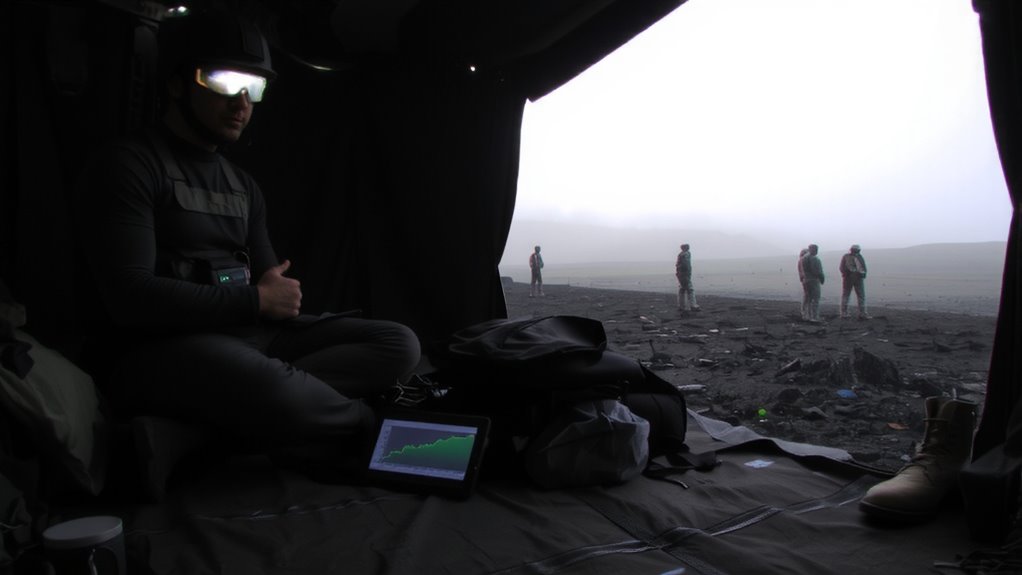
While you’re tracking recovery in tactical athletes, heart rate variability (HRV) stands out as one of the most reliable indicators of readiness to return to duty. You’re not just monitoring a number-you’re evaluating autonomic balance. Low HRV often signals lingering cardiovascular fatigue and neural fatigue, both of which impair decision-making and physical performance. When HRV remains suppressed, the body hasn’t fully recovered, increasing injury risk during high-demand operations. Tactical roles demand peak readiness, so returning too soon can compromise mission success and personal safety. Devices that track HRV offer real-time feedback, helping avoid premature reintegration. These tools, while not infallible, provide objective data that surpass subjective wellness reports. You need this precision. Ignoring HRV trends might get someone back in the field faster, but not stronger. Rebuilding baseline HRV guarantees both physiological systems are aligned and resilient.
How Deloading Affects Recovery and Performance

Because recovery is as critical as training for tactical athletes, incorporating deloading phases isn’t just beneficial-it’s essential for sustained performance. When you implement a deload, you’re not backing off progress; you’re optimizing it. By reducing training volume, you allow your body to repair microtrauma, rebalance hormones, and replenish energy stores. This temporary pullback supports enhanced physiological adaptation, letting your nervous system reset and tissues strengthen. You’ll notice sharper focus, better strength output, and improved movement efficiency post-deload. Tactical roles demand peak readiness, and skipping recovery risks overtraining and injury. Deloading isn’t a pause-it’s a strategic upgrade. The reduced workload gives your body the signal it needs to consolidate gains. When you return to full loads, you’re not just recovered; you’re primed. It’s not about doing less for laziness-it’s doing less to achieve more.
What HRV Metrics Matter Most for Tactical Readiness
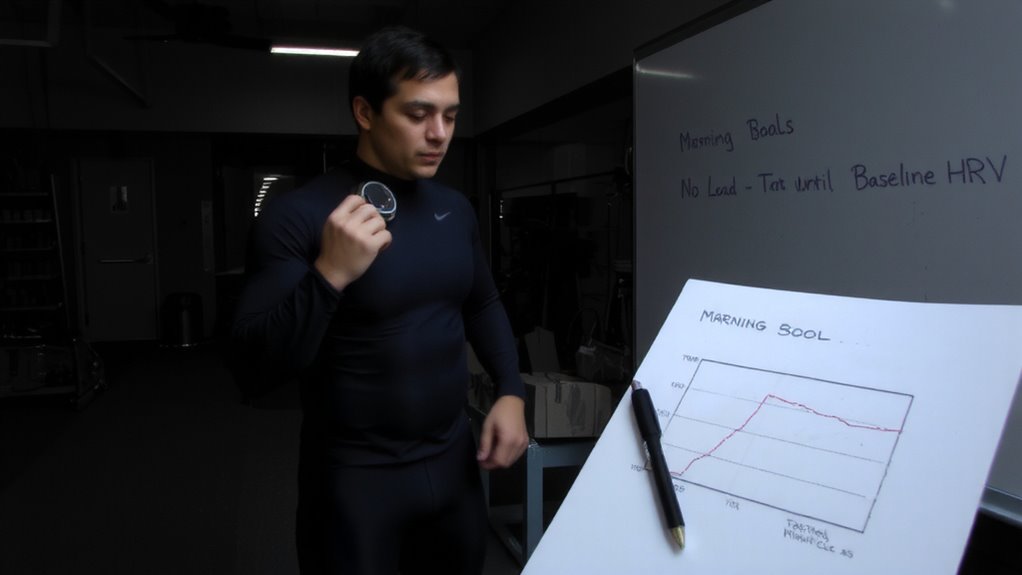
You’ve recharged your system with a well-timed deload, giving your body the space it needs to repair and adapt-now it’s time to gauge whether that recovery has translated into readiness. The key HRV metrics to watch are parasympathetic rebound and nocturnal coherence. A strong parasympathetic rebound-the noticeable spike in HRV immediately following a deload-suggests your nervous system has reset and is primed for stress. That rebound isn’t just a number; it reflects actual autonomic balance critical for tactical performance. Nocturnal coherence, measured during sleep, reveals how consistently your heart rate variability aligns with relaxed, rhythmic breathing patterns. High coherence indicates efficient recovery and stable autonomic function. Together, these metrics offer a more nuanced view than isolated HRV snapshots, helping you determine true readiness. Relying on both gives a tactical edge-ensuring you’re not just recovered, but prepared.
Dangers of Returning Before HRV Recovers
Pushing forward too soon risks more than stalled progress-it can undermine the very foundation of tactical readiness. You might think jumping back into high-intensity work shows resilience, but without HRV recovery, you’re walking straight into overtraining risks. Your body’s still coping with lingering stress accumulation from previous loads, and adding more too soon impairs both physical and cognitive performance. Studies show suppressed HRV correlates with reduced recovery capacity, meaning your nervous system isn’t ready to handle peak demands. That increases injury likelihood and slows long-term adaptation. You’re not just compromising fitness gains-you’re threatening mission effectiveness. Tactical athletes operate under extreme conditions, where split-second decisions matter. Returning before HRV normalization doesn’t just affect you; it impacts team safety and operational success. Let the data guide your comeback, not ego.
How HRV Trends Signal When to Return to Duty
While individual HRV readings can fluctuate due to sleep quality or hydration, it’s the trend over time that gives you the clearest signal for returning to duty. Consistently rising HRV after a deload suggests improving stress resilience and recovery capacity. When your HRV returns to and stabilizes at baseline, it reflects physiological readiness-your body’s way of saying it’s prepared for full operational demands.
| HRV Trend | Interpretation | Action Suggested |
|---|---|---|
| Declining | Elevated fatigue or poor recovery | Delay return, assess sleep quality |
| Stable-low | Incomplete recovery | Maintain light loads |
| Rising to baseline | Improved stress resilience | Progress toward full duty |
Ignoring these trends risks underperformance or injury. Reliable HRV monitoring devices help track these patterns accurately-integrating fitness recovery data with practical readiness decisions. Trust the trend, not the single data point.
Tracking HRV in Real-World Tactical Environments
Because real-world tactical operations demand peak readiness under unpredictable conditions, tracking HRV in the field requires devices that are both rugged and reliable. You need gear that maintains data accuracy despite extreme temperatures, humidity, or physical strain. Many wearable sensors struggle with environmental interference-things like altitude shifts, electromagnetic noise, or even tight-body armor placement can skew readings. Chest straps with ECG-grade sensors typically outperform optical wrist monitors, especially during high-motion tasks, giving you more confidence in recovery insights. Still, even top-tier devices need consistent placement and proper calibration to minimize artifacts. You’ll also want tools with secure data sync and long battery life, so mission flow isn’t disrupted. While no system is perfect, investing in durable, validated technology means you’re not just collecting data-you’re collecting trustworthy intelligence on readiness.
Real-World Cases: Waiting for HRV Improved Mission Readiness
You’ve seen how rugged wearables can capture reliable HRV data in demanding tactical settings, but knowing when to act on that data is where real readiness takes shape. In elite units, delaying return-to-train protocols until HRV rebounds to baseline has correlated with sharper cognitive performance and fewer overuse injuries. Consider a special ops cohort that postponed full reintegration after a deload; their subsequent mission success rate rose, likely due to better-rested physiological states. When HRV normalization guided training resumption, teams reported stronger operational resilience, especially during back-to-back deployments. It’s not just about rest-it’s strategic recovery calibrated to autonomic function. Units using this method noted fewer medical evacuations and smoother performance shifts. While fitness gear evolves with more accurate sensors, the real edge lies in disciplined data interpretation. Waiting for HRV recovery isn’t passive-it’s active preparation, ensuring the body is truly ready to bear load again.
On a final note
You should wait for your HRV to return to baseline before resuming full training, especially in tactical roles where readiness matters. Data shows that pushing too soon risks injury and underperformance. HRV trends reveal true recovery, not just perceived rest. Reliable gear helps track this accurately. Skipping this step might save time short-term but harms long-term resilience. Smart recovery, backed by solid metrics, keeps you mission-ready and physically prepared.