Unveiling the Complexities of Nerve Impingement in Athletic Recovery
You’re more at risk of nerve impingement than muscle strain if you train intensely, especially over 15 hours weekly. Repetitive motions and poor joint alignment compress nerves, causing shooting pain, numbness, or tingling that won’t quit with rest. Unlike muscle soreness, nerve pain travels and worsens with movement. Swelling and tight tissues restrict neural glide, delaying recovery. Misdiagnosis is common without MRI or nerve conduction testing. Even elite gear won’t fix the issue without proper neurodynamic rehab and technique adjustments-your next move could change everything.
Notable Insights
- Nerve impingement in athletes often stems from repetitive strain or poor joint alignment, causing pain, numbness, or tingling along neural pathways.
- Accurate diagnosis requires imaging and nerve conduction studies to distinguish nerve compression from muscle injury and guide effective treatment.
- Neural gliding and flossing exercises restore nerve mobility, reducing irritation and supporting recovery without overstretching compressed nerves.
- Joint articulation and arthrokinematic optimization ensure proper movement mechanics, preventing recurrence of nerve compression.
- Preventive mobility routines and targeted equipment use enhance neural resilience and maintain long-term nerve health in high-demand athletes.
What Is Nerve Impingement in Athletes?
Pain, numbness, or that tingling “pins and needles” sensation you feel down your leg or arm during recovery? That’s often nerve impingement - a common issue when swelling or misalignment compresses nerves. In athletes, repetitive strain or improper joint alignment can irritate nerves, leading to nerve inflammation and disrupted recovery. You might not realize how your training form or posture during rest contributes to this compression. Equipment like supportive braces or ergonomic recovery tools can help maintain proper joint alignment, reducing pressure on affected nerves. While some gear offers real therapeutic benefits, others overpromise with little biomechanical backing. Addressing nerve inflammation early prevents chronic issues, so consider tools proven to stabilize alignment and support nerve pathways. Recovery isn’t just about rest - it’s about positioning and precision. The right approach combines anatomy awareness with practical, evidence-based recovery strategies tailored to athletic demands. Incorporating low-impact cardio such as using a recumbent bike can enhance circulation without exacerbating nerve compression.
Nerve Pain vs. Muscle Pain: How to Tell the Difference
You’ve likely felt that deep ache after a tough workout or the sharp twinge that radiates when something’s not quite right-now figuring out which is which matters more than you think. Muscle pain usually feels sore, tight, or swollen, localized where you pushed hardest. Nerve pain, though, often brings shooting pain that travels along a pathway-down your leg or into your arm-and doesn’t fade with standard recovery. If you’re dealing with numbness tingling, especially in your hands or feet, that’s a red flag your nerves are involved, not just soft tissue. Unlike muscle fatigue, nerve pain worsens with certain movements or postures and may persist despite rest. Recognizing this difference guides smarter recovery choices, from adjusting form to choosing compression gear that supports circulation without restricting nerves. Misidentifying it delays healing. Trust the signals: burning, electric sensations or numbness tingling mean it’s more than soreness-it’s your nervous system asking for attention. Topical treatments like best cream for nerve pain can provide targeted relief when used alongside proper diagnosis and mobility work.
How Intense Training Causes Nerve Compression
While pushing through intense training can build strength and endurance, it also increases the risk of nerve compression, especially when repetitive motions or prolonged postures place undue stress on vulnerable pathways. You’re likely familiar with overuse injuries, but repetitive stress doesn’t just damage tendons-it can compress nerves trapped between tight muscles or inflamed tissue. Think about cyclists leaning forward for hours or pitchers throwing thousands of reps; those positions grind on nerves like the ulnar or sciatic. When soft tissues swell from constant strain, they crowd neural space, causing pain, tingling, or weakness. This isn’t just fatigue-it’s dysfunction. Ignoring it worsens the compression, delaying recovery and undermining gains. Even the best recovery gear-foam rollers, massage guns-can’t fix the root cause without addressing movement patterns. Prevention means listening to your body, varying training loads, and scheduling rest before symptoms arise. Smart training balances intensity with sustainability. Athletes can further support recovery by using leg compression sleeves, which help reduce swelling and improve circulation in overworked muscles.
Advanced Tools to Diagnose Nerve Impingement
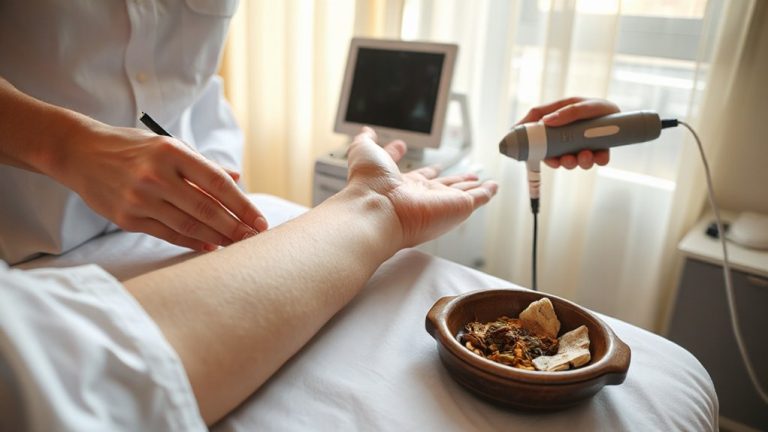
How do clinicians pinpoint the exact source of nerve impingement when symptoms overlap with muscle strain or joint dysfunction? They rely on advanced imaging techniques like MRI and high-resolution ultrasound to visualize soft tissues and detect compression sites. These tools let you see swelling, herniations, or structural anomalies pressing on nerves. Equally critical are nerve conduction studies, which measure how quickly electrical signals travel through nerves-slowed conduction often confirms impingement. While imaging gives structural clarity, nerve conduction provides functional evidence, together offering a complete picture. You can’t depend on symptoms alone; objective data from both methods increases diagnostic accuracy. Though imaging techniques expose anatomical details, nerve conduction helps gauge severity and guide rehab timelines. Combining both guarantees you’re not just treating pain but addressing the root cause, which is essential for athletes needing precise, efficient recovery strategies.
Why Athletes’ Nerve Pain Gets Misdiagnosed
Because nerve pain often mimics the aching fatigue of overworked muscles or the stiffness of joint dysfunction, it’s easy to see why athletes’ nerve-related issues get misdiagnosed. You might dismiss sharp, shooting discomfort as soreness, especially when performance pressure masks subtler symptoms. Psychological stress further clouds the picture, amplifying pain signals and skewing self-reporting. Clinicians, already facing time constraints, may fall prey to diagnostic bias-favoring common musculoskeletal strains over less obvious nerve impingements. This bias is compounded when imaging appears normal despite persistent symptoms. Without specialized assessments, like nerve mobility tests or detailed movement analysis, vital clues get overlooked. You need more than standard evaluations; you need practitioners trained to differentiate neuropathic patterns from typical athletic wear and tear. Misreading these signs delays proper care, prolonging recovery and increasing re-injury risk. Accurate recognition starts with questioning assumptions-not just yours, but your healthcare provider’s too.
Rehab Strategies for Nerve Impingement in Athletes
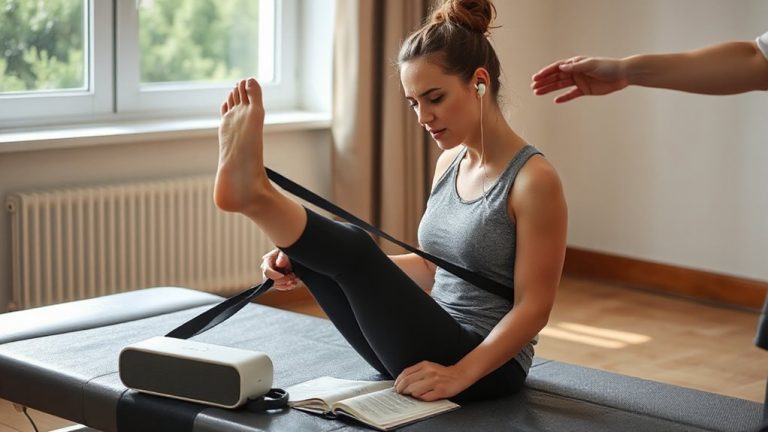
When done right, rehab for nerve impingement doesn’t just ease symptoms-it retrains how your body moves under load. You’re not simply resting; you’re actively reprogramming movement patterns that may have contributed to compression. Neural gliding exercises help restore the nerve’s ability to slide smoothly through tissues, reducing irritation with motion. These aren’t quick fixes-they require consistency and proper form. Nerve flossing complements this by gently mobilizing the affected nerve, teasing it free of adhesions without overstretching. Combined, these techniques improve nerve dynamics, not just symptoms. You’ll likely start with low-intensity reps, gradually increasing as tolerance builds. Recovery isn’t passive, and gear like biofeedback units or smart sleeves can offer real-time feedback, but they’re supplements, not substitutes, for proper technique. The best rehab prioritizes precision over speed-your nervous system responds to quality input, not shortcuts. Stick with it, and movement becomes not just pain-free, but smarter.
Mobility and Technique Tips to Prevent Nerve Compression
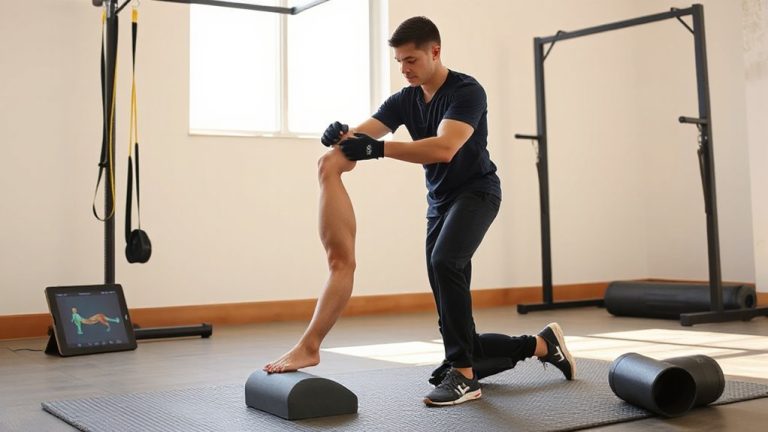
You’ve rebuilt movement quality through targeted rehab, but maintaining those gains means addressing the mechanics that led to compression in the first place. Incorporating foam rolling into your routine helps release fascial tension around nerves, especially in high-risk areas like the piriformis or thoracic spine. Spend 60–90 seconds per zone, moving slowly to identify sticky spots. Pair this with joint articulation drills-such as banded distractions or controlled articular rotations-to restore segmental motion and reduce aberrant neural traction. These techniques reinforce proper arthrokinematics, ensuring nerves glide freely during motion. Technique refinement in lifts and sprints further minimizes impingement risks; even minor improvements in hip hinging or scapular control matter. Consistent use of these methods, supported by quality fitness gear like resistance bands and textured rollers, enhances durability. Think of mobility not as prep work, but essential maintenance for nervous system health.
On a final note
You now see how nerve impingement complicates athletic recovery, often masquerading as muscle pain. Misdiagnosis persists due to overlapping symptoms, but advanced imaging and neuromuscular assessments improve accuracy. Effective rehab combines targeted mobility, nerve gliding, and technique refinement. Preventive strategies matter just as much-proper form and recovery gear, like compression supports and foam rollers, aid in reducing recurrence. Your long-term performance hinges not just on training intensity, but on intelligent, informed recovery practices backed by both science and practical experience.