The Role of Isometric Mid-Thigh Pulls in Reducing Lower Back Strain During Lifting
You’re prone to lower back strain when weak glutes or poor mechanics shift load to your spine during lifts. Isometric mid-thigh pulls fix this by reinforcing proper alignment and building posterior chain strength without spinal compression. This exercise boosts neuromuscular control, ensuring your hips generate force instead of your back. Done right, it corrects imbalances and preps your body for heavy pulls-and there’s more to optimizing form that could further protect your spine.
Notable Insights
- Isometric mid-thigh pulls strengthen the posterior chain without spinal compression, reducing lower back strain during lifting.
- They improve neuromuscular control, enhancing glute and hamstring activation to prevent lower back compensation.
- Static loading reinforces proper spinal alignment and core bracing under force.
- The exercise exposes strength imbalances that contribute to poor lifting mechanics and back strain.
- Proper form during pulls ensures full hip engagement, minimizing excessive tension on the lower back.
Why Lifting Causes Back Strain (And How Mid-Thigh Pulls Help)
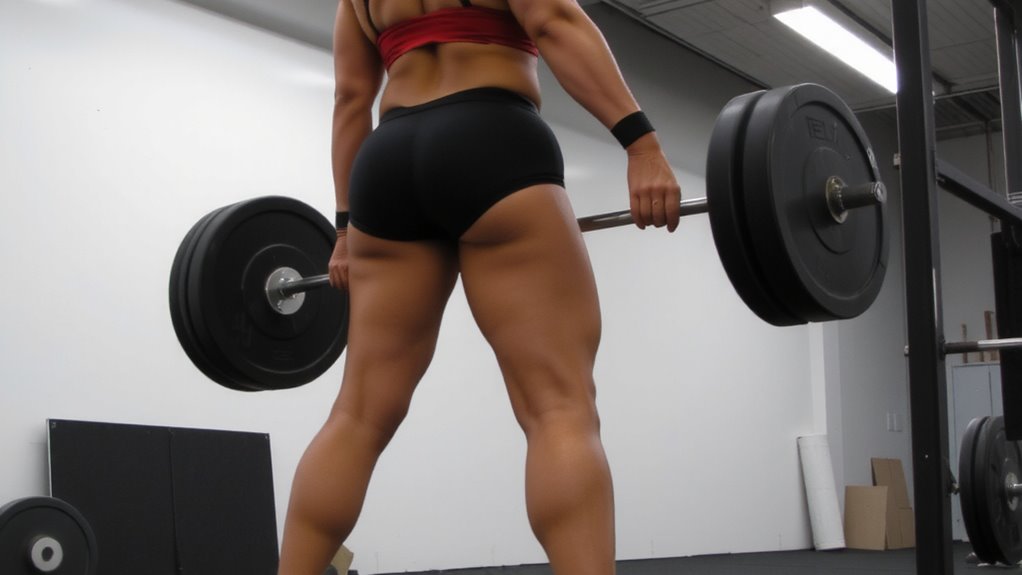
Why do so many lifters walk away from heavy deadlifts or squats with a nagging lower back ache? Chances are, it’s not just the load-it’s your muscle imbalances and flawed lifting mechanics. When your posterior chain is underdeveloped compared to your quads, or your glutes fail to engage, your lower back compensates, soaking up excessive tension. Poor lifting mechanics-like rounding your spine or shifting weight forward-only worsen the stress. You’re not just risking strain; you’re reinforcing bad patterns. That’s where targeted solutions matter. Isometric mid-thigh pulls train your body to engage the right muscles at the right time, correcting imbalances before they lead to injury. They build strength without spinal compression, offering a smarter path to resilience. Investing in form and function isn’t optional-it’s essential for long-term progress. The right recovery tools and training aids support this balance, making sustainable gains possible. Incorporating a best full-body massage chair can further enhance recovery by improving circulation and reducing muscle tightness.
How Isometric Mid-Thigh Pulls Shield Your Spine
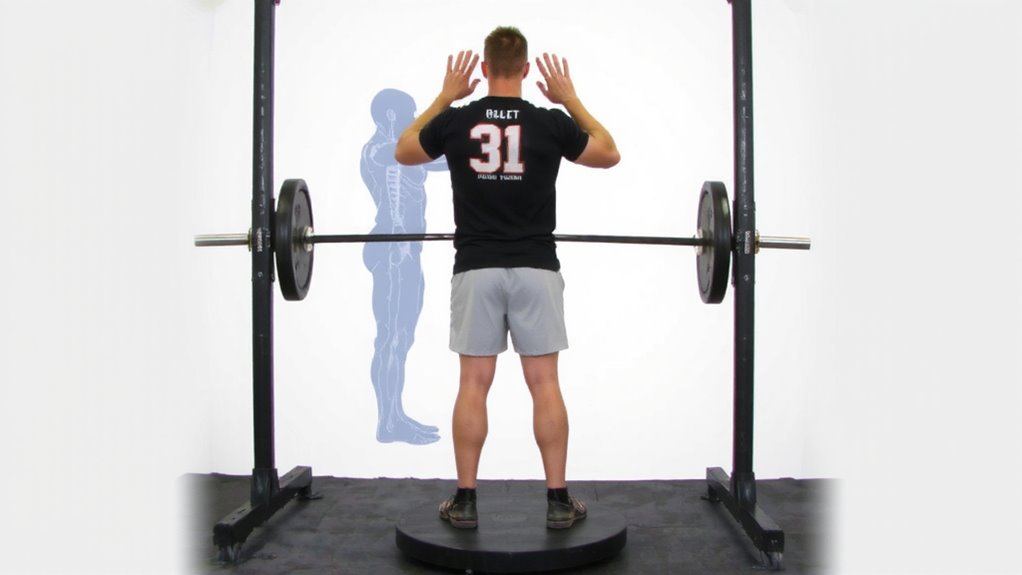
How can a single exercise protect your spine while building serious strength? Isometric mid-thigh pulls do exactly that by reinforcing proper alignment under load. When you pull against a fixed bar, you generate tension without movement, minimizing spinal compression compared to dynamic lifts. This controlled stress teaches your spine to stay neutral, reducing the risk of injury during heavy lifting. Unlike traditional deadlifts, isometrics highlight muscle imbalances by exposing strength leaks-where one side works less than the other-so you can correct them before they cause strain. Over time, consistent practice improves neuromuscular control, helping your core and hips support the spine more effectively. The exercise requires minimal gear-a barbell and rack-which makes it accessible and easy to integrate. For long-term spinal health, especially under load, this move isn’t just useful; it’s essential.
Why This Exercise Activates Your Posterior Chain
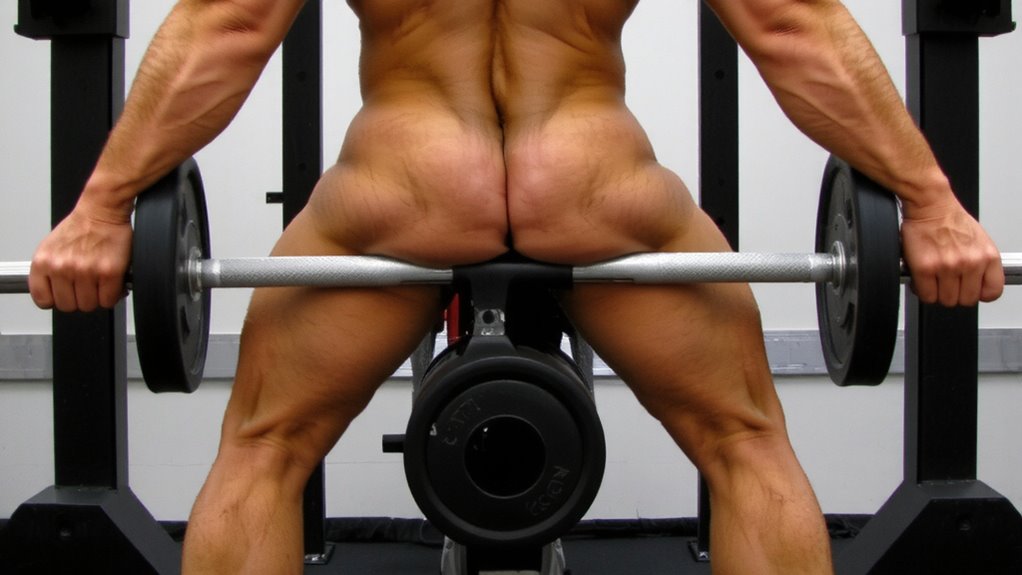
The posterior chain-your body’s powerhouse of glutes, hamstrings, and lower back-lights up during isometric mid-thigh pulls like few other exercises can. You’re not just holding tension-you’re forcing glute activation and hamstring engagement in a way that mimics real lifting mechanics without spinal compression. The static pull trains your posterior muscles to fire simultaneously, boosting neuromuscular coordination. Because you’re resisting an immovable bar, force production stays high while joint movement stays minimal-ideal for building strength safely. Studies show this kind of contraction increases muscle recruitment, especially in the glutes, where weakness often undermines lifting form. Unlike dynamic lifts, the isometric mid-thigh pull lets you target lagging areas with precision. You get measurable gains in posterior chain performance, which translates directly to better load management and lower back protection when you return to heavy lifting. It’s efficient, measurable, and highly specific.
Perform the Isometric Mid-Thigh Pull (Step by Step)
You’re already familiar with how powerfully the isometric mid-thigh pull engages your posterior chain, turning on glutes, hamstrings, and lower back without compressing your spine. To perform it, set up a barbell in a power rack at mid-thigh height. Stand with feet shoulder-width, grab the bar using preferred grip variations-overhand, mixed, or hook-and bend slightly at the hips and knees. Drive your feet into the floor, pull upward maximally against the immovable bar, and focus on full hip engagement at the top. Hold the contraction for 3–5 seconds, keeping your core braced and back neutral. Repeat for 3–5 sets. The exercise requires minimal gear but demands solid setup and body awareness. It’s low-risk if performed correctly, making it reliable for reinforcing safe lifting mechanics without joint strain.
Add These Pulls to Warm-Ups or Strength Days
While most warm-up routines focus on mobility or light cardio, adding isometric mid-thigh pulls can give you a more targeted activation of your posterior chain before heavy lifts. The right exercise timing guarantees your glutes, hamstrings, and spinal erectors engage efficiently, reducing reliance on your lower back during squats or deadlifts. Muscle priming through this isometric effort enhances neuromuscular readiness, improving force production and lifting mechanics. Perform 2–3 sets of 5-second pulls at 70–80% effort either in your warm-up or at the start of strength days. This isn’t just filler-it’s functional preparation that complements smart programming. Used consistently, it supports better movement patterns and lowers injury risk. You don’t need special gear, just a secure bar and solid footing. As recovery gains attention, smart prep like this becomes essential. It bridges the gap between passive warm-ups and explosive lifts, making it a practical upgrade to any serious routine.
5 Form Errors That Undermine the Mid-Thigh Pull
A common mistake during isometric mid-thigh pulls is letting the hips rise too early, which shifts tension away from the posterior chain and places unnecessary strain on the lower back. You’re likely compromising form if you lean too far forward-excessive lean reduces glute and hamstring activation while overloading the lumbar spine. Improper bracing is another issue; failing to engage your core evenly can lead to spinal compression, especially under high tension. Keep your chest up, spine neutral, and pull as if hinging from the hips, not the waist. The movement should feel tight and controlled, not jerky or collapsed at the lower back. Maintain foot pressure evenly across the midfoot and drive through the heels. These adjustments guarantee the exercise reinforces safe lifting mechanics instead of mimicking flawed ones. Proper technique turns mid-thigh pulls into a protective, strength-building staple-essential for lifting longevity and back health.
On a final note
You benefit from isometric mid-thigh pulls by reinforcing spinal stability and posterior chain activation without loading the spine. These pulls teach proper force transfer through the hips and glutes, reducing lower back strain during lifts. When performed correctly, they’re a low-risk, high-reward addition to warm-ups or strength sessions. Just guarantee solid form-feet flat, back neutral, drive through heels-to get the most out of the exercise.