Breath-Paced Neck Rolls to Release Cervical Tension Accumulated During Deadlifts
You’re likely carrying deadlift-induced neck tension from upper-body compensation and poor cervical alignment. Breath-paced neck rolls work by syncing your movement to deep inhales and controlled exhales, which improves blood flow and trains your nervous system to release tight traps and levator muscles. Do them post-lift using slow, rhythmic circles to restore mobility. Performed correctly, they enhance recovery-especially when combined with other targeted resets.
Notable Insights
- Deadlifts can cause neck tension due to poor posture and compensatory trapezius activation.
- Breath-paced neck rolls use synchronized breathing to improve cervical mobility and reduce muscle tension.
- Inhale while tilting the ear toward the shoulder; exhale through the circular roll.
- Avoid common errors like head misalignment, rushed breath, or excessive force during movement.
- Perform post-workout for 60–90 seconds per side to enhance relaxation and recovery.
Why Deadlifts Cause Neck Tension
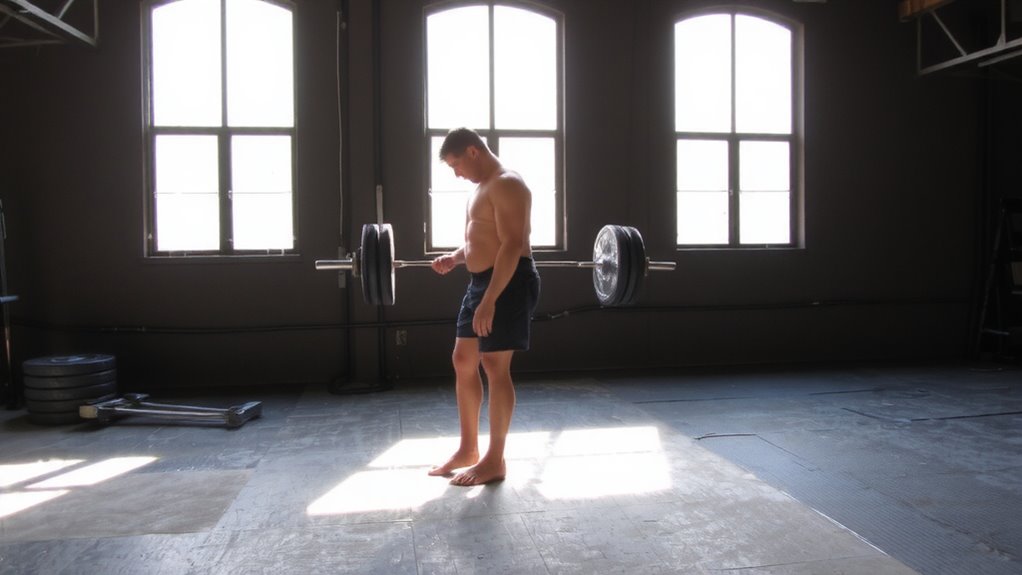
While you’re focused on driving power from your hips during a deadlift, your upper body-especially your neck-often ends up compensating for minor imbalances or improper alignment. This muscular compensation occurs when your trapezius and neck muscles unconsciously tighten to stabilize your head and spine, especially if your gaze drifts upward or your thoracic posture collapses. Over time, this creates biomechanical strain, as forces redistribute unevenly across cervical vertebrae and surrounding soft tissue. You might not notice it mid-set, but hours later, that tension manifests as stiffness or discomfort. This isn’t just poor form-it’s your neuromuscular system prioritizing movement completion over ideal joint positioning. Frequent lifters, particularly those using heavy loads without adequate scapular retraction or neutral spine awareness, are most at risk. The strain compounds with volume, making recovery essential. Ignoring these signals can lead to chronic tension, reducing training efficiency and increasing injury risk. Proper setup and awareness can reduce reliance on compensatory patterns. Using a cervical pillow can help alleviate residual neck strain during post-workout recovery.
Why Breath-Paced Neck Rolls Actually Work
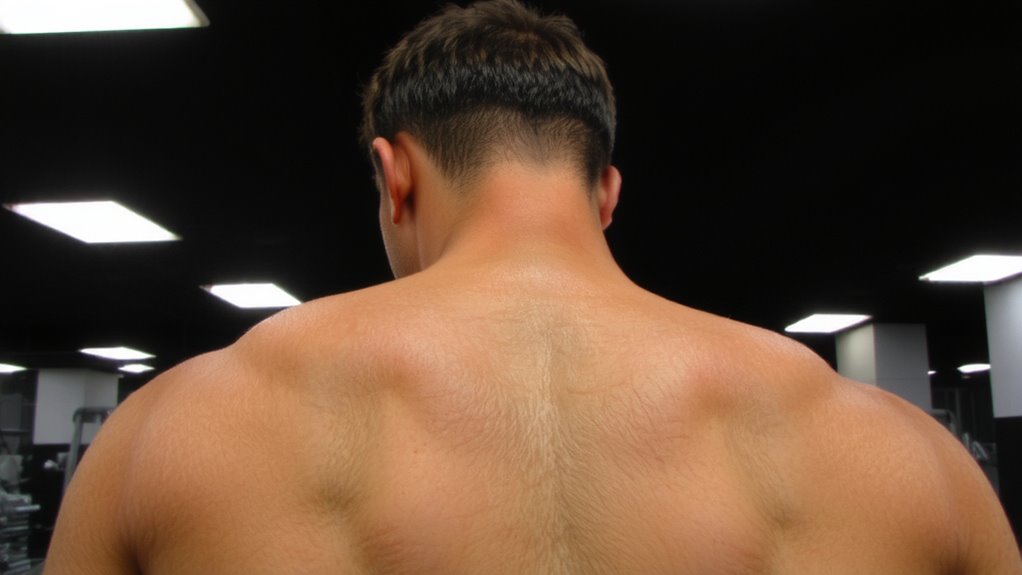
Rhythm is key when it comes to releasing built-up tension, and breath-paced neck rolls work because they synchronize movement with your natural respiratory cycle. This rhythm supports neural synchronization-your brain and muscles begin to align action with breath, making each motion smoother and more intentional. When you inhale, blood flow and oxygen delivery increase, directly enhancing muscle elasticity and preparing tight cervical fibers for gentle release. Over time, this method trains your nervous system to associate controlled motion with relaxation cues. Pairing this technique with proper sleep posture on a cervical pillow can further enhance recovery by maintaining spinal alignment during rest.
| Breath Phase | Neck Movement |
|---|---|
| Inhale | Gradual roll forward |
| Exhale | Slow return to start |
Fitness recovery isn’t just about gear-it’s about timing and physiology. Breath-paced movement leverages both, offering a no-cost, effective way to improve mobility and reduce stiffness without resistance bands or foam rollers.
How to Do Breath-Paced Neck Rolls
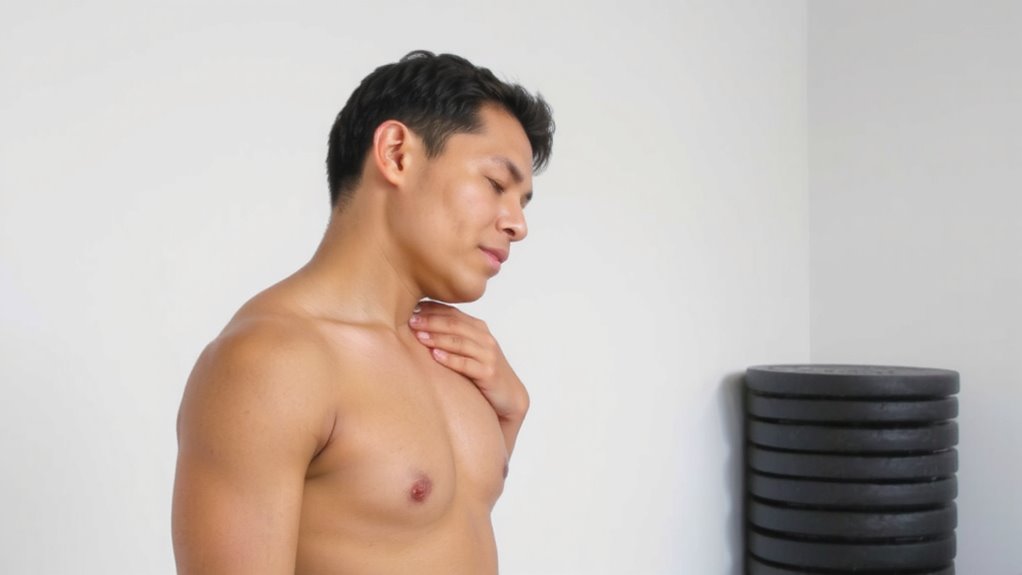
You’re already aware that syncing movement with breath enhances muscle relaxation and neural coordination, especially in the neck where tension often accumulates silently. To begin breath-paced neck rolls, sit or stand tall, ensuring proper neck alignment-ears stacked over shoulders. Inhale slowly as you gently tilt your head to the right, bringing your ear toward the shoulder without raising the opposite shoulder. Exhale as you initiate a smooth circular roll, guiding your chin down and around in a controlled arc. Each movement should match your breath: inhale on upward motions, exhale on downward. This rhythm supports ideal muscle coordination and prevents jerking. Perform five rolls clockwise, then five counterclockwise, maintaining fluidity. Breath pacing isn’t just about timing-it deepens neuromuscular integration, making each roll more effective for recovery after heavy lifts like deadlifts. For additional support between sessions, consider using a neck and back stretcher to maintain spinal alignment and promote lasting relief.
Common Mistakes to Avoid With Breath-Paced Neck Rolls
Why do some people feel stiffness or discomfort after attempting breath-paced neck rolls, despite following the technique? Often, it’s due to improper alignment or using excessive force. You might think pushing further enhances results, but your cervical spine needs gentle, controlled motion-not aggression. Here’s what to avoid:
| Mistake | Better Approach |
|---|---|
| Tilting head too far | Keep chin slightly tucked |
| Rushing the breath | Sync movement with slow inhales/exhales |
| Using excessive force | Apply minimal pressure, let breath lead |
| Improper alignment | Maintain ears over shoulders |
Forcing the motion can irritate soft tissues and worsen tension. Proper form secures effective recovery without strain. You’re aiming for release, not range. Stick to controlled, breath-guided movement to safely ease deadlift-related cervical stress.
When Should You Do Neck Rolls?
When should you do neck rolls-before your workout, after, or not at all? Doing them pre-lift can loosen stiff joints, but aggressive movement on cold tissue risks strain. Post-workout is better: your muscles are warm, circulation is elevated, and cervical tension from deadlifts lingers-making it the ideal window. Time your routine with deliberate timing frequency: once daily post-training suffices for recovery without overuse. The best duration is 60 to 90 seconds per side, synchronized with deep, rhythmic breathing. This breath-paced approach enhances parasympathetic engagement, promoting muscle relaxation. Avoid chronic repetition; excessive frequency may lead to joint hypermobility or irritation. Quality matters more than quantity-controlled, mindful rolls beat hurried, habitual ones. While no fitness gear replaces proper form, supportive posture tools can complement your recovery off the mat. Evaluate your body’s feedback: reduced stiffness and improved range signal you’ve timed it right.
Combine Neck Rolls With These Post-Lift Moves
You can get more out of your recovery by pairing breath-paced neck rolls with complementary post-lift movements that address common tension zones. Dynamic stretching enhances blood flow and promotes muscle synergy, helping your body reset after heavy pulls. Focus on integrating mobility drills that mirror deadlift biomechanics to reduce stiffness and improve movement efficiency.
| Movement | Target Area | Synergy Benefit |
|---|---|---|
| Shoulder CARs | Upper traps | Balances neck-shoulder tension |
| Thoracic Rotations | Mid-back | Improves spinal breathing |
| Hip Openers | Glutes & hips | Reduces compensatory strain |
| Chin Tucks | Suboccipitals | Supports cervical alignment |
| Cat-Cow | Spinal extensors | Encourages fluid spine motion |
These moves, combined with rhythmic neck rolls, optimize recovery by addressing kinetic chain imbalances. Quality gear-like supportive mats and mobility bands-can enhance execution, but consistency matters more than equipment.
On a final note
You’ve likely felt the neck tension deadlifts bring, and breath-paced neck rolls offer a practical, effective solution. When done correctly, they enhance blood flow and encourage neuromuscular release. Paired with post-lift stretches-like shoulder dislocations or chin tucks-they optimize recovery. Just avoid over-rotating or holding your breath. These rolls aren’t standalone fixes, but integrated into routine, they support cervical health, especially with proper lifting gear that reduces strain.