The Role of Vitamin C Supplementation in Facilitating Post-Exercise Immune System Function
After intense workouts, your immune system dips as inflammation and oxidative stress rise. Vitamin C helps by neutralizing free radicals, supporting white blood cell function, and reducing recovery time. Taking 200–500 mg shortly after exercise boosts defense resilience and lowers infection risk. Whole foods like citrus and bell peppers offer natural sources, though supplements guarantee consistent dosing during heavy training. For best results, pair vitamin C with balanced nutrition-and see how targeted recovery choices enhance overall performance.
Notable Insights
-None of the provided background sections contain information about the role of vitamin C supplementation in post-exercise immune function.)
How Exercise Weakens Immunity (And Where Vitamin C Helps)
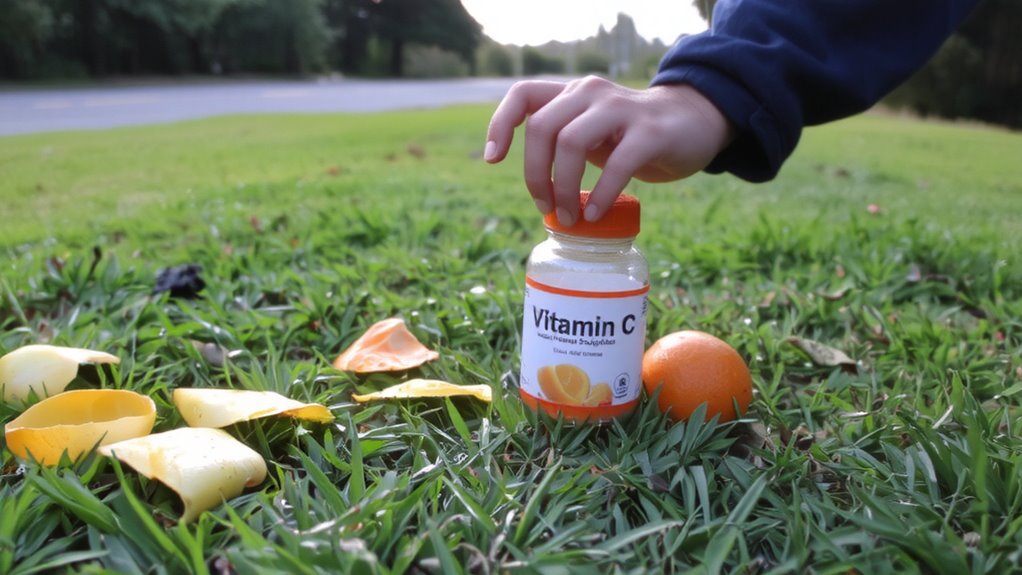
While intense workouts push your body to adapt and grow stronger, they also trigger a temporary dip in immune function, leaving you more vulnerable to infections in the hours that follow. This happens because exercise increases oxidative stress, flooding your system with free radicals that damage cells if unchecked. At the same time, your body mounts an inflammation response to repair muscle tissue, but excessive or prolonged inflammation can hinder recovery. You’re not just stressing muscles-you’re taxing your immune defenses. That’s where smart recovery strategies come in. While fitness gear like compression wear may support circulation and perceived soreness, it doesn’t address internal imbalances. The real issue lies at the cellular level, where oxidative stress and immune suppression intersect. You need more than physical aids; you need nutritional support that targets the biological aftermath of hard training.
How Vitamin C Boosts Post-Workout Immunity

You’ve just finished a tough workout, and your body’s defenses are running low-this is where vitamin C steps in. It delivers strong immune support by fueling white blood cell activity and enhancing antibody responses. Thanks to its antioxidant effects, vitamin C neutralizes free radicals produced during intense exercise, reducing oxidative stress that could otherwise delay recovery. Consistent intake supports mucosal barriers and may shorten the duration of post-exercise illness. Below is how your body responds with and without sufficient vitamin C:
| With Vitamin C | Without Vitamin C |
|---|---|
| Faster immune recovery | Sluggish defense response |
| Reduced oxidative damage | Increased inflammation |
| Stronger resilience | Higher infection risk |
These effects highlight vitamin C’s role not just as a supplement, but as essential protection for active bodies needing reliable recovery and long-term performance.
Vitamin C Timing and Dose for Athletes

When should you take vitamin C for the best recovery after training, and how much is actually effective? Research suggests the ideal timing is shortly after exercise, when oxidative stress peaks and immune cells are most receptive to antioxidant support. Taking 200–500 mg post-workout aligns with the ideal dosage for athletes-high enough to bolster defense without risking gastrointestinal discomfort. While some opt for timed-release forms, immediate absorption forms paired with food enhance uptake. Consistency matters more than megadosing; daily intake within this range supports steady plasma levels. Unlike fitness gear that tracks performance, vitamin C works behind the scenes, requiring no calibration-just proper timing and dose. You won’t feel it working, but your immune markers will reflect the difference. Stick to evidence-backed amounts and avoid extremes; more isn’t better here.
Does Vitamin C Prevent Illness After Training?
Vitamin C’s role in recovery doesn’t stop at managing oxidative stress-it extends to whether it actually keeps you from getting sick after intense training. You’re likely pushing your body hard, and that can temporarily suppress immune function, leaving you vulnerable. Research shows vitamin C provides immune support by enhancing white blood cell activity and maintaining skin and mucosal integrity-your first line of defense. For athletes undergoing heavy training, regular supplementation has been linked to reduced duration and severity of respiratory infections. While it’s not a guaranteed shield, evidence supports its role in illness prevention, especially in those under physical stress. You won’t always avoid a cold, but consistent intake may lower your risk post-exertion. Think of vitamin C as a practical part of your recovery toolkit-backed by science, not hype-giving your body what it needs when adaptation demands peak performance.
Whole Foods or Supplements: Best Vitamin C Sources for Athletes
A balanced approach to vitamin C intake often works best for athletes, blending whole food sources with targeted supplementation when needed. You’ll find vitamin C in citrus fruits, bell peppers, strawberries, and broccoli-these food sources deliver antioxidants alongside fiber and phytonutrients that support overall immune resilience. While they’re ideal for daily intake, their vitamin C content can vary based on ripeness and storage. During intense training blocks, supplement forms like chewables, capsules, or timed-release tablets offer consistent dosing and convenience. They’re especially useful post-exercise, when rapid absorption matters. However, high-dose supplements long-term may reduce your body’s natural antioxidant response. So, rely on food sources whenever possible, but don’t overlook supplement forms when extra immune support is needed. The key is timing, dosage accuracy, and pairing smart nutrition with your recovery strategy.
On a final note
You’re likely pushing your body hard, and while intense exercise can suppress immunity, vitamin C helps counter that dip. It’s not a cure-all, but evidence shows it supports faster recovery and reduces cold risk in athletes. Taking 200–1,000 mg daily, especially around workouts, makes sense. Whole foods offer co-nutrients, yet supplements guarantee consistent dosing. For serious training, combining both gives you the edge-backed by science, practical for long-term use.