Role of Massage Therapy Techniques in Promoting Central Nervous System Recovery
You’re not just unwinding-massage therapy actively aids central nervous system recovery by boosting neuroplasticity and calming neural inflammation. Techniques like myofascial release and Swedish massage improve circulation, reduce edema, and support nerve regeneration. Deep tissue work tackles somatic stress that hinders healing, while rhythmic touch stimulates vagal activity, shifting your body into repair mode. This isn’t passive relaxation-it’s targeted recovery. You’ll see how integrating these methods enhances rehabilitation outcomes and sustains long-term neurological function.
Notable Insights
- Massage therapy enhances neuroplasticity by stimulating neural pathways critical for brain and spinal cord recovery.
- Moderate pressure techniques like myofascial release improve fascial mobility and reduce mechanical stress on the central nervous system.
- Increased vagal activity from rhythmic massage promotes parasympathetic dominance, reducing CNS inflammation and supporting nerve regeneration.
- Improved circulation and lymphatic drainage accelerate removal of metabolic waste and deliver nutrients essential for neural repair.
- In neurological rehabilitation, massage reduces spasticity, modulates pain, and aids sensory reintegration for functional recovery.
How Massage Therapy Supports CNS Healing
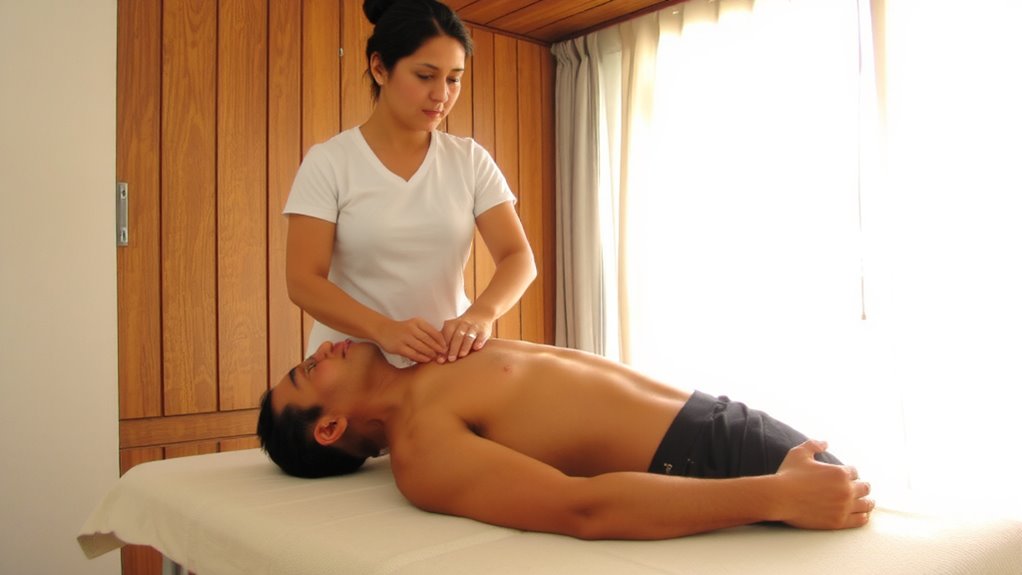
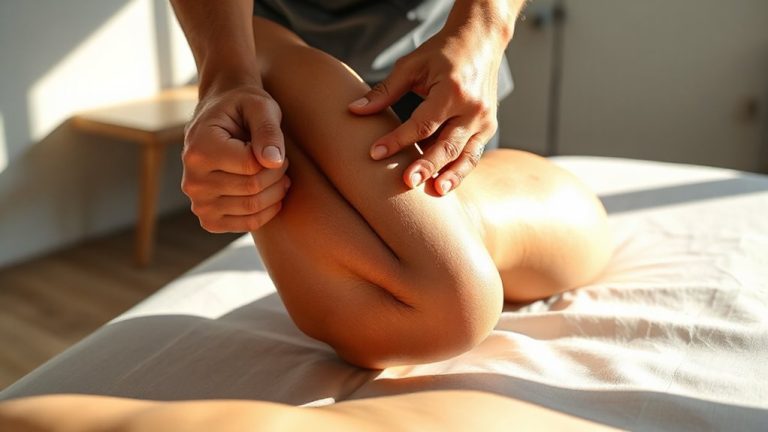
Recovery isn’t just about rest-it’s about active support for your nervous system, and massage therapy plays a key role in helping the central nervous system (CNS) rebound after intense physical stress. You’re not just loosening muscles; you’re promoting neuroplasticity enhancement, allowing your brain and spinal cord to reorganize and adapt post-exertion. Through consistent neural pathway stimulation, massage helps restore efficient communication between nerves, improving motor control and response time. This isn’t passive recovery-it’s targeted intervention. Studies show moderate pressure techniques, like Swedish or myofascial release, increase vagal activity, which calms the CNS. For fitness enthusiasts, integrating massage into recovery means better adaptation, sharper performance, and reduced neural fatigue. Unlike recovery gear that merely compresses or heats tissue, skilled massage directly influences neurological function. While tools have value, they can’t replicate the nuanced feedback of human touch in activating sensory receptors. When used strategically, massage isn’t a luxury-it’s a functional upgrade for CNS resilience and long-term fitness sustainability. High-quality massage guns can complement manual therapy by providing targeted muscle relief between sessions.
Reducing Inflammation and Improving Blood Flow
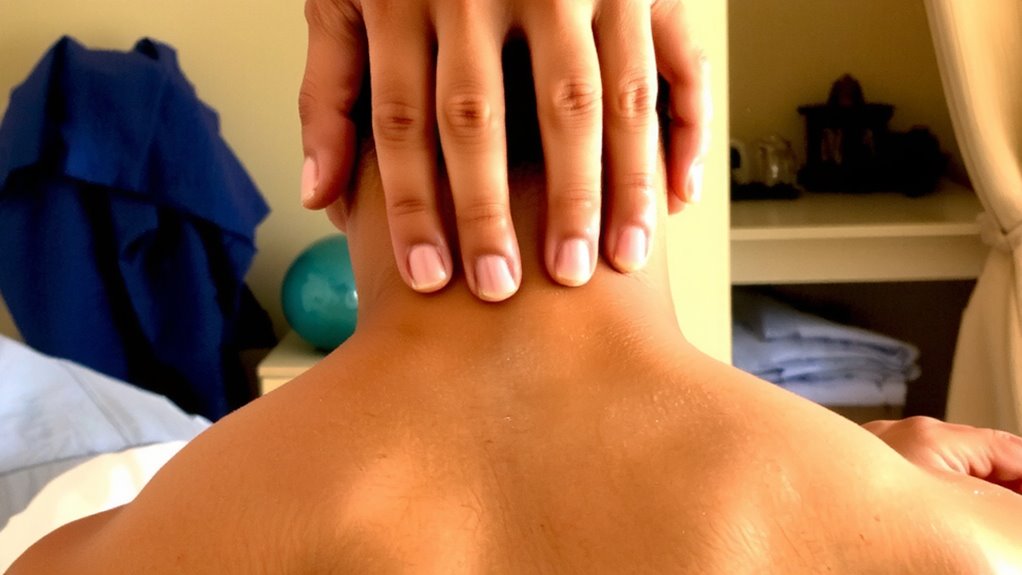
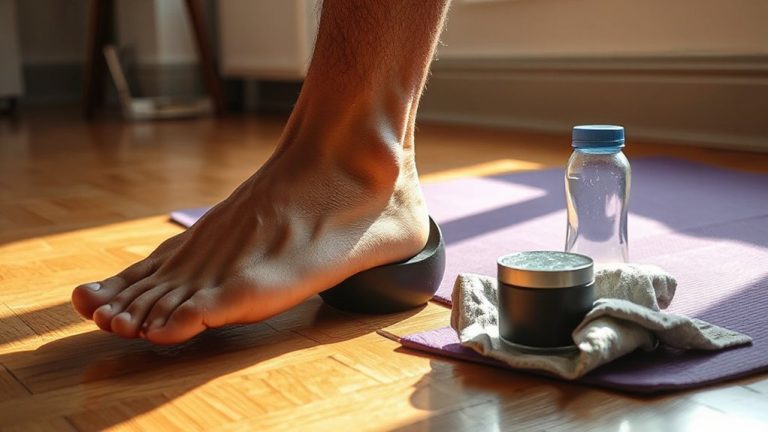
One key mechanism behind massage therapy’s effectiveness lies in its ability to reduce inflammation and enhance circulation-critical factors in post-exertion recovery. You experience less swelling and faster healing as blood flow delivers oxygen and nutrients to stressed tissues. This improved circulation also supports lymphatic drainage, helping your body remove metabolic waste more efficiently. By stimulating fluid movement, massage minimizes edema and creates a favorable environment for cellular regeneration. These physiological changes aren’t just soothing-they’re functional, accelerating tissue repair and reducing downtime after intense activity. Unlike passive recovery, massage actively engages your body’s natural healing processes, making it a smart complement to fitness regimens. While recovery tools like foam rollers or compression gear offer some benefits, they can’t replicate the targeted, adaptive pressure a skilled therapist applies to influence both circulation and inflammation. Percussion massagers offer a portable solution that delivers best percussion massagers performance for improved circulation and muscle recovery.
Swedish, Deep Tissue, and Myofascial Release for Nervous System Repair
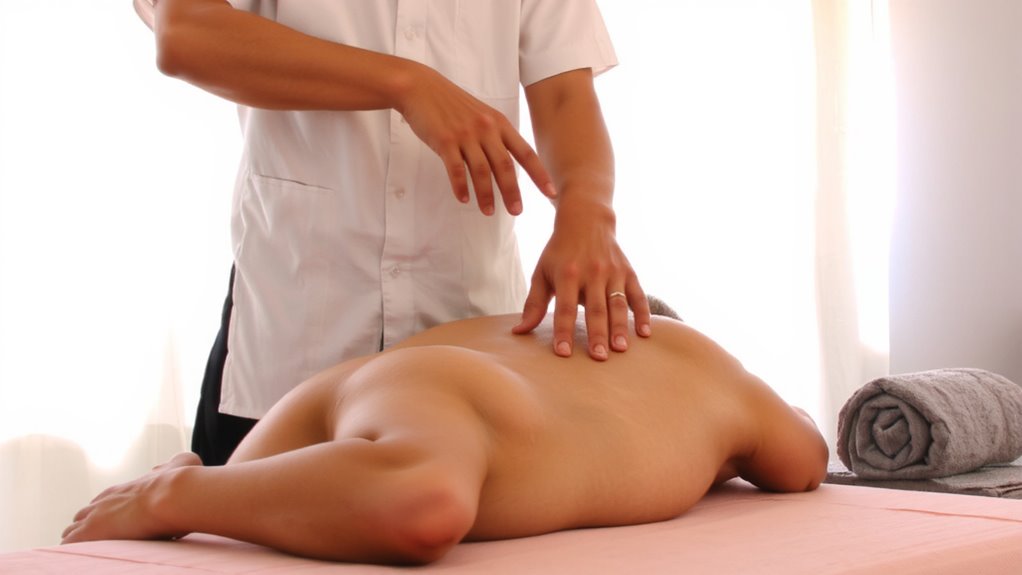
While each modality varies in pressure and technique, Swedish, deep tissue, and myofascial release all play distinct roles in supporting central nervous system (CNS) recovery by modulating nerve activity and reducing somatic stress signals. You’ll find Swedish massage effective for gentle muscle relaxation, easing nervous system overload. Deep tissue work targets chronic tension and trigger points, helping restore neurological feedback loops. Myofascial release eliminates restrictions in connective tissue, improving sensory signaling to the CNS. Using the right massage therapy tools can enhance the effectiveness of these techniques by providing consistent pressure and reducing therapist fatigue.
| Technique | Primary Benefit |
|---|---|
| Swedish | Enhances overall muscle relaxation |
| Deep Tissue | Breaks down trigger points |
| Myofascial Release | Restores fascial mobility and nerve glide |
| Swedish | Promotes circulation and nutrient delivery |
| Deep Tissue | Addresses deep-seated somatic dysfunctions |
You benefit most when these methods are applied strategically to reduce mechanical stress that hinders neural repair.
Activating the Parasympathetic Response for Recovery
When you’re aiming to speed up recovery, tapping into your body’s natural relaxation systems makes a real difference, and few methods are as effective-or as accessible-as stimulating the parasympathetic nervous system. You can trigger this response through mindful touch, where steady, rhythmic massage encourages vagal stimulation, directly influencing heart rate and digestion. This activation doesn’t just calm your nerves-it supports CNS repair by lowering stress-induced inflammation. Cortisol reduction is a key benefit, as chronically elevated levels impair neuronal healing. With regular sessions, you’re not just relaxing; you’re creating physiological conditions favorable for nerve regeneration. Unlike aggressive recovery tools that rely on compression or temperature extremes, this approach works with your body’s biofeedback, making it sustainable and low-risk. Evidence suggests even brief sessions enhance autonomic balance, improving sleep and mental clarity-critical factors in neurological recovery. It’s not flashy, but its measurable impact on nervous system regulation makes it a cornerstone practice.
Adding Massage to Neurological Rehab Programs
Because neurological rehab demands more than just targeted movement and medication, integrating massage therapy offers a biologically grounded way to support CNS recovery-something many programs overlook. You’ll find that consistent massage boosts neuroplasticity enhancement by stimulating neuronal connections and improving cerebral blood flow. It also aids sensory reintegration, helping your brain reinterpret touch, pressure, and body position after injury. When combined with rehab exercises, massage reduces muscle tone and spasm, creating a more responsive system. Below are key outcomes observed in patients who include massage in their neurological rehab:
| Benefit | Clinical Observation |
|---|---|
| Neuroplasticity enhancement | Increased cortical map reorganization |
| Sensory reintegration | Improved proprioception and touch response |
| Muscle relaxation | Reduced spasticity in affected limbs |
| Pain modulation | Lower reliance on analgesics |
These effects make massage not just complementary, but essential.
On a final note
You see how massage therapy aids CNS recovery by reducing inflammation and boosting blood flow. Techniques like Swedish, deep tissue, and myofascial release support nervous system repair. You activate the parasympathetic response, enhancing healing. When added to neurological rehab, massage improves functional outcomes. It’s not just relief-it’s restoration. Used wisely, it complements fitness recovery and pairs well with proper gear for peak performance and long-term nervous system health.