Maximizing Recovery Through Strategic Use of Cold Tubbing Sessions Post-Training
You’ll maximize recovery by submerging within 10–15 minutes post-training, when cold exposure blunts inflammation and slows cellular breakdown. Stick to temperatures between 50°F and 59°F for 10–15 minutes-longer or colder increases shock risk and may hinder adaptation. Use fresh ice, time your sessions, and clean the tub weekly to maintain hygiene. Pair each soak with light movement afterward to avoid stiffness. There’s more to optimize in your recovery protocol.
Notable Insights
- Submerge in cold water between 50°F and 59°F within 15 minutes post-workout for optimal recovery.
- Limit immersion to 10–15 minutes to reduce inflammation without impairing long-term muscle adaptation.
- Prioritize cold tubbing after intense resistance or endurance sessions to minimize muscle damage and soreness.
- Avoid cold exposure before training to prevent interference with performance and adaptation signaling.
- Follow each session with light movement to prevent stiffness and support circulation post-recovery.
When to Cold Tub for Best Results
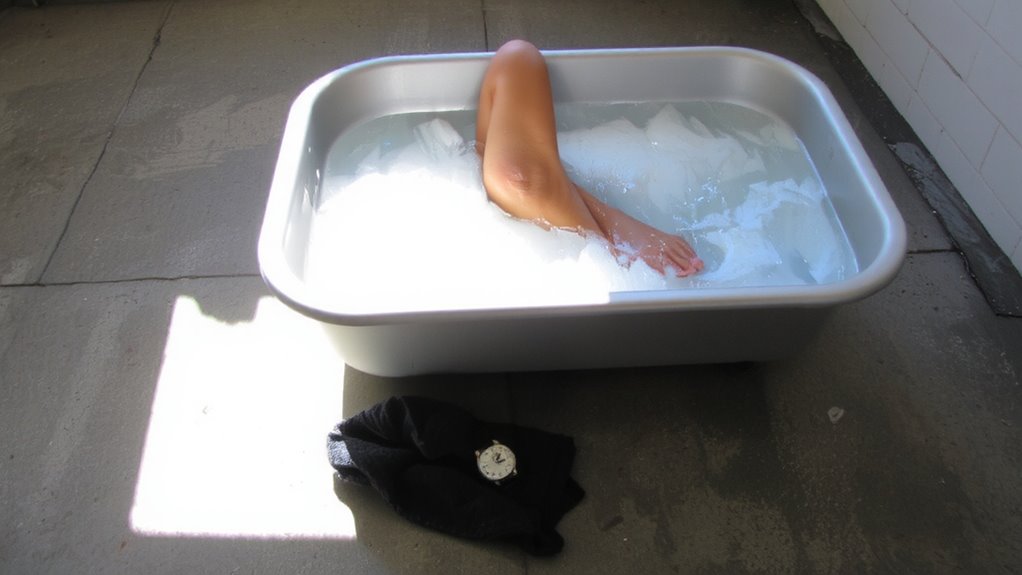
While timing your cold tub sessions right won’t guarantee results on its own, it can particularly boost your recovery when aligned with your workout schedule. For best timing, aim to submerge within 15 to 30 minutes post-exercise, especially after intense resistance or endurance training. This window supports recovery alignment by curbing acute inflammation and slowing cellular breakdown, giving your body a head start on repair. Cooling too soon before training may blunt adaptation signals, so post-workout remains ideal. If you train twice in one day, a brief cold soak between sessions helps reset neuromuscular fatigue without compromising long-term gains. Morning tubbing, unless following a night workout, lacks the same recovery alignment and offers more alertness than physiological repair. For consistent results, pair your cold immersion with sleep and nutrition-you’re not just managing temperature, but orchestrating recovery. Track your response over time; best timing isn’t universal but personal.
How Cold Should the Water Be: and How Long to Stay In?
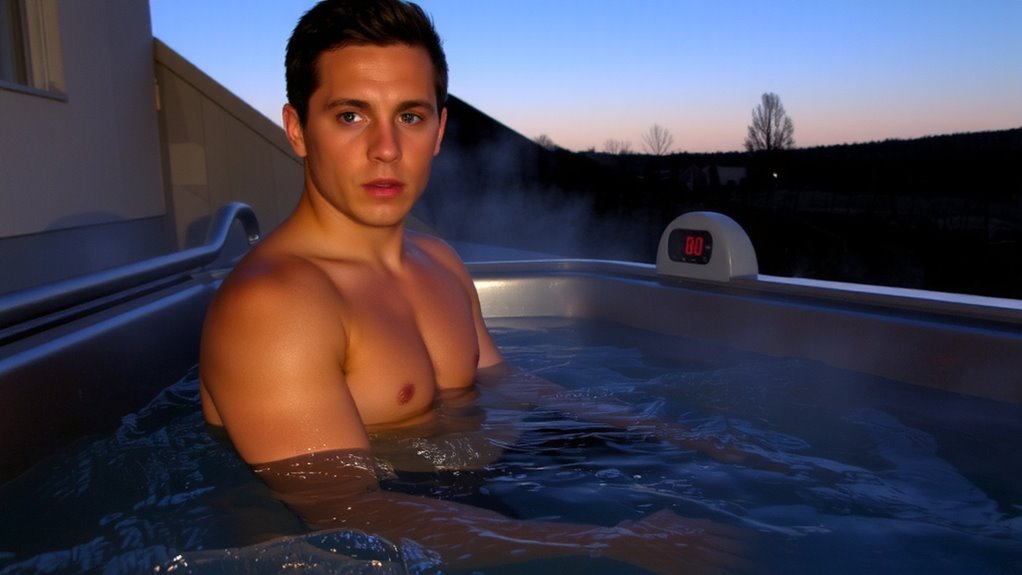
How cold is cold enough-and how long should you really stay in? For effective recovery, the ideal water temperature ranges between 50°F and 59°F (10°C–15°C). This range triggers vasoconstriction without risking tissue damage or excessive stress. If the water temperature dips below 50°F, you increase the risk of shock or hypothermia, especially with longer exposure. As for immersion duration, aim for 10 to 15 minutes. Staying in longer doesn’t enhance recovery and may impair long-term training adaptations. Studies show this sweet spot of water temperature and immersion duration effectively reduces muscle soreness and inflammation. Your body responds well to cold stress when it’s controlled and brief. Consistency matters too-maintaining stable water temperature throughout guarantees predictable results. Use a reliable thermometer and timer to monitor both variables. Done right, cold tubbing supports recovery without compromising performance.
How to Schedule Cold Tubbing Around Workouts
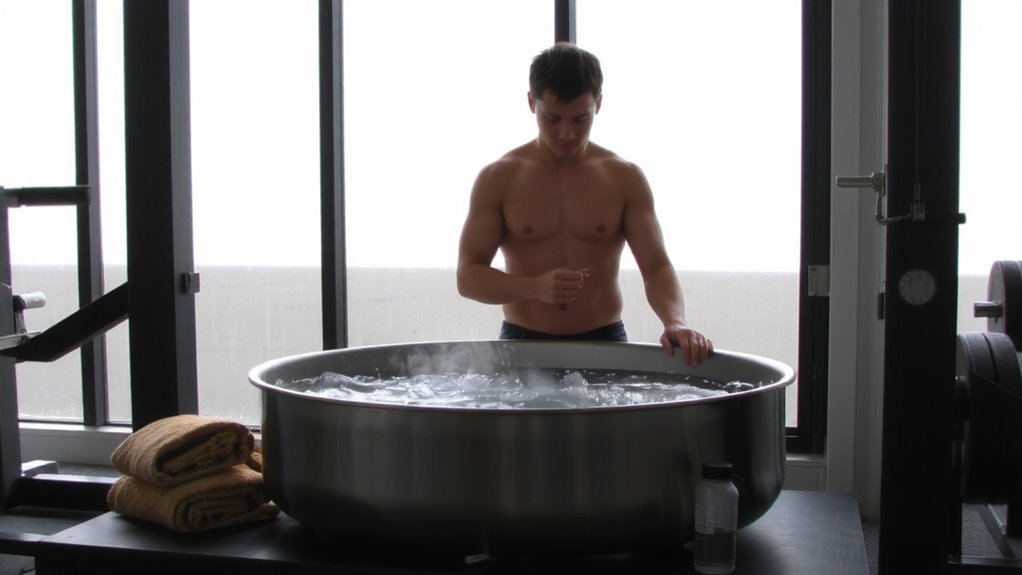
When should you plunge into that icy tub for the best recovery-right after lifting, the next morning, or not at all? Timing matters. For most athletes, post-workout immersion within 10–15 minutes maximizes benefits by reducing acute inflammation and promoting circulation. If your training is early, skip overnight soaks-your body needs natural recovery phases undisturbed. Daily use demands attention to water quality; stagnant or poorly filtered water risks skin irritation and infection. You’ve got to prioritize tub maintenance: clean filters weekly, test chemical levels, and drain regularly to prevent microbial buildup. Cold tubs aren’t plug-and-play forever-they need care to stay effective and safe. While immediate sessions post-exercise are ideal, overuse can blunt long-term adaptations. Balance is key. Think recovery, not avoidance. Let proper scheduling and hygiene support your gains without undermining them.
How Cold Tubbing Speeds Up Muscle Recovery
Muscle soreness after intense training isn’t just discomfort-it’s a sign of microtears and inflammation that slow your progress. Cold tubbing helps by triggering vasoconstriction, which limits blood flow to overworked muscles and supports inflammation reduction. This response minimizes swelling and tissue breakdown, letting you return to training with less stiffness. The cold also induces a temporary metabolic slowdown, decreasing cellular activity and limiting secondary damage in muscle fibers. You’re not just numbing pain-you’re actively managing recovery at a physiological level. When used correctly, cold immersion preserves muscle function over consecutive training days. While recovery gear like compression boots or cryo chambers offer alternatives, cold tubs remain cost-effective and widely accessible. Their simplicity doesn’t undermine their efficiency; water’s thermal conductivity guarantees consistent cooling across large muscle groups. For best results, keep sessions between 10–15 minutes at 50–59°F. Cold tubbing isn’t magic-it’s science-backed strategy.
Common Cold Tubbing Mistakes That Hurt Progress
Ever wonder why your recovery feels stalled despite regular cold tub sessions? Poor technique or oversight in key areas like ice quality and session timing can actually hinder progress. Using old, melted ice reduces water temperature consistency, diminishing therapeutic effects. Skipping a post-workout cooldown before immersion shocks the system, while staying in too long or too soon after training may restrict blood flow excessively. Below are common mistakes and their impact:
| Mistake | Effect on Recovery | Recommended Fix |
|---|---|---|
| Low ice quality | Inconsistent cold exposure | Use fresh ice, monitor temp |
| Wrong session timing | Reduced adaptation | Wait 10–15 min post-workout |
| Excessive duration | Impaired muscle adaptation | Limit to 10–15 minutes |
| No post-tub warm-down | Stiffness onset | Light movement after |
| Infrequent tub cleaning | Bacterial risk | Clean weekly with mild disinfectant |
Optimize both ice quality and session timing for best results.
On a final note
You’ll recover faster by timing cold tub sessions right after intense workouts, when inflammation peaks. Aim for 10–15 minutes in 50–59°F water to reduce soreness without hindering muscle adaptation. Done correctly, cold tubbing supports recovery; done poorly-too long or too cold-it delays it. Quality tubs maintain stable temperatures, but even the best gear fails if misused. Consistency, proper duration, and smart scheduling matter most for real results.