How Breathwork Can Reset the Nervous System After Intense Training or Competition
After intense training, your nervous system stays revved up, hurting recovery and focus. But slow, intentional breathwork-like diaphragmatic or resonant breathing-triggers vagus nerve activation, shifting you into parasympathetic dominance fast. This lowers cortisol, slows your heart rate, and boosts heart rate variability, signaling safety to your brain. Unlike passive rest or most recovery gear, breathwork actively recalibrates your physiology. It’s free, portable, and works within minutes-especially when timed right after exercise. You’ll soon see how small shifts in breathing create outsized gains in resilience.
Notable Insights
- Intense training overloads the nervous system, causing fatigue and impairing recovery without adequate rest.
- Slow, deep breathing activates the vagus nerve, triggering parasympathetic nervous system dominance and promoting relaxation.
- Long exhalations reduce cortisol and heart rate, signaling physiological safety after exercise-induced stress.
- Resonant frequency breathing at 5–7 breaths per minute optimizes heart rate variability and nervous system balance.
- Practicing breathwork post-exercise enhances recovery, mental clarity, and long-term nervous system resilience.
How Exercise Overloads Your Nervous System
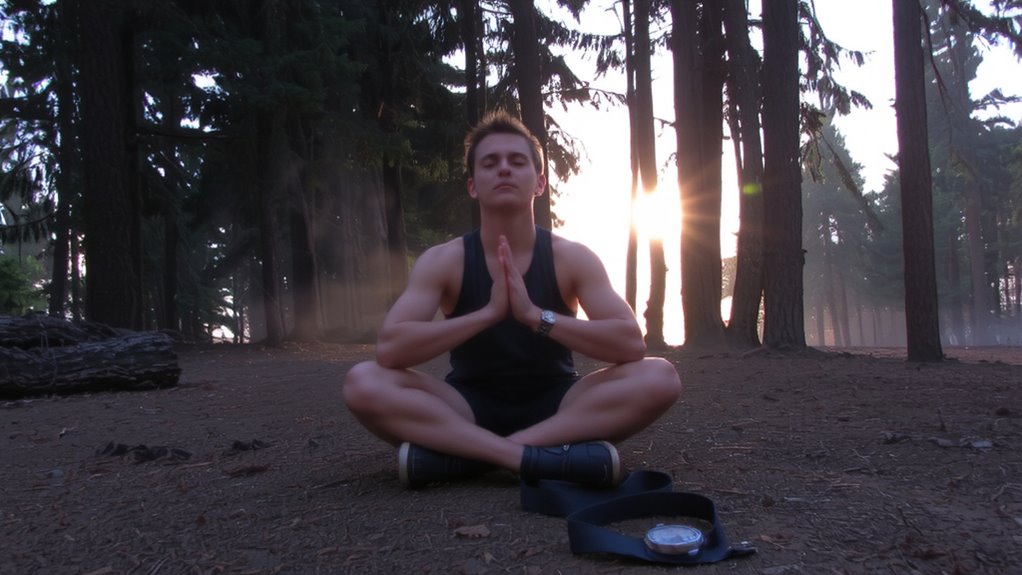
You’ve probably pushed yourself through a tough workout, chasing that post-exercise high, only to feel drained or on edge afterward-sometimes for days. That’s a sign your nervous system is struggling to recover. Intense or frequent training without adequate rest can lead to nervous system fatigue, where your body stays stuck in a heightened state, making it harder to relax, sleep, or focus. Over time, this imbalance hampers recovery and often leads to a performance plateau-despite more effort, progress stalls. Monitoring fatigue is essential; advanced fitness gear with heart rate variability tracking can help identify early signs. Ignoring these signals doesn’t just slow gains-it increases injury risk. Recovery isn’t passive; it’s a physiological necessity. Without deliberate strategies, even the most rigorous routines undermine themselves. Your nervous system needs to reset, not just rest, to sustain long-term performance and health.
How Breathwork Activates Recovery Mode
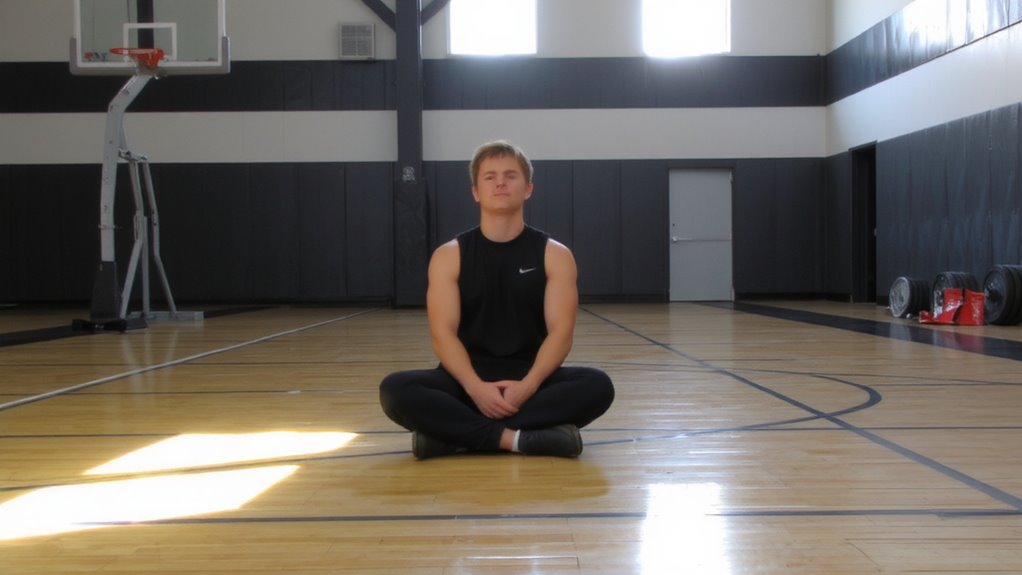
A workout’s intensity doesn’t end when you step off the treadmill or rack the weights-your nervous system keeps processing the demand long after. That’s when breathwork steps in, shifting your body into recovery mode. By slowing your inhales and lengthening your exhales, you trigger vagus nerve stimulation, which acts like a natural brake on your overactive system. This direct signal prompts parasympathetic activation, counterbalancing the stress-driven sympathetic response from training. You’re not just relaxing-you’re biochemically signaling safety, allowing heart rate and cortisol to drop. Compared to passive rest, intentional breathing accelerates recovery with precision. Devices like heart rate monitors can confirm the shift, showing increased heart rate variability within minutes. While foam rollers and compression gear support physical repair, breathwork uniquely targets nervous system reset from within. It’s low-tech, always accessible, and when applied consistently, becomes a cornerstone of smart recovery-especially when high-performance gear only solves part of the equation.
How Breathwork Calms Your Nervous System

While your nervous system is designed to respond to stress, it’s not meant to stay stuck in high alert-yet that’s exactly what happens when recovery is left to chance. You’ve pushed hard in training, and now your body needs to shift gears. Breathwork helps trigger parasympathetic activation, slowing your heart rate and signaling safety to your brain. This isn’t just relaxation-it’s physiological recalibration. By extending your exhales and pacing your breath, you directly influence the vagus nerve, a key player in calming your system. It’s a simple, no-cost tool, but more effective than many recovery gadgets on the market. Consistent practice brings mental clarity, helping you stay focused and present post-exertion. Unlike recovery boots or cryotherapy, breathwork requires no gear-just awareness and consistency. It’s accessible, immediate, and scientifically backed, making it a cornerstone of smart recovery. You don’t need equipment to reset; you just need to breathe-right.
4 Breathwork Techniques for Faster Recovery
Breathwork doesn’t just shift your nervous system out of survival mode-it can actively accelerate your body’s return to baseline when applied with intention. Diaphragmatic breathing, where you engage your belly instead of shallow chest breaths, increases oxygen delivery and signals relaxation. You’ll notice improved heart rate variability and reduced cortisol levels within minutes. For even faster recovery, aim for your resonant frequency-typically around 5–7 breaths per minute-where your heart, lungs, and nervous system sync. This rhythm optimizes vagal tone, enhancing recovery efficiency. Unlike passive rest, intentional breathwork is a measurable tool, comparable to cooldown protocols in effectiveness. While fitness gear like compression wear or recovery boots has its place, breathwork requires no equipment, costs nothing, and can be done anywhere. It’s not a substitute for tech-driven recovery, but it’s often more accessible and just as impactful when used correctly.
Best Times to Use Breathwork After Training
Since your nervous system stays activated post-exercise, especially after intense sessions, tapping into breathwork within the first 5–10 minutes of cooldown can sharpen recovery outcomes. This immediate window is ideal for signaling your body to shift from sympathetic to parasympathetic dominance, easing muscle tension and lowering cortisol. You’ll notice quicker mental reset and physical calm, which supports better sleep quality later. Doing breathwork consistently at this stage also complements your morning routine by maintaining nervous system resilience throughout the day. While fitness gear like heart rate monitors can help track recovery, intentional breathing requires no tools-just awareness. The performance benefit isn’t just physical; mental clarity improves, making it easier to stay consistent with training goals. Though timing matters, it’s not everything-what counts is doing it deliberately when your body needs regulation most.
Build a Daily Breathwork Habit
If you’ve ever struggled to stay consistent with recovery practices, building a daily breathwork habit might be the missing link in your fitness routine. Just five to ten minutes a day can foster mindful awareness, helping you tune into your body’s recovery needs. Unlike fitness gear that requires maintenance or space, breathwork only demands your attention-making it highly accessible. A consistent practice trains your nervous system to shift from stress to restoration, improving sleep and reducing soreness. Think of it as mental conditioning, much like strength training builds physical resilience. Over time, you’ll notice sharper focus, better emotional regulation, and smoother shifts between intense effort and recovery. The key isn’t complexity-it’s regularity. By integrating breathwork daily, you support long-term adaptation, enhance recovery efficiency, and cultivate a deeper connection between mind and body, all without extra equipment or time commitment.
On a final note
You’ve pushed your body hard, and now your nervous system needs to reset. Breathwork isn’t just calming-it’s a physiological tool that shifts you from stress to recovery mode. Techniques like box breathing and diaphragmatic breathing lower cortisol and boost parasympathetic activity. Used post-training or daily, they enhance recovery as effectively as any foam roller or compression gear. Smart, consistent breathwork is low-tech but high-impact-making it essential recovery gear you already carry.