Using Mindful Eating to Support Mental Recovery in High-Performance Athletes
You’re using food to cope with stress, not hunger, which undermines recovery and mental resilience. Mindful eating helps you recognize emotional triggers and supports gut-brain balance, lowering cortisol and improving mood. By pausing before meals and tracking your emotional state, you turn eating into a recovery ritual. These habits enhance nutrient absorption and psychological control. There’s more to how this practice reshapes recovery beyond the plate.
Notable Insights
- Mindful eating helps athletes distinguish emotional hunger from physical hunger, supporting mental clarity during recovery.
- Regular mindfulness practices reduce cortisol levels, enhancing emotional regulation and resilience under competitive stress.
- Eating every 3–4 hours with intention stabilizes blood sugar, improving mood and focus during high-performance training.
- Journaling before meals increases self-awareness, linking food choices to emotional states and mental recovery needs.
- Mindful breathing before meals activates the parasympathetic nervous system, improving digestion and nutrient absorption under stress.
How Stress Disrupts Athletes’ Eating and Mental Health

While you’re pushing your body to adapt to intense training, stress often works behind the scenes to disturb both your eating habits and mental well-being. You might notice emotional eating creeping in-reaching for food not out of hunger, but to cope with pressure, fatigue, or frustration. This pattern can undermine recovery and disrupt nutritional balance. Simultaneously, stress triggers physiological changes that contribute to digestive issues like bloating, cramping, or irregular bowel movements, impairing nutrient absorption. These gut-related problems aren’t just uncomfortable; they can reduce training effectiveness and delay recovery timelines. High-performance athletes often overlook how mental strain directly impacts digestive function and food behaviors. Ignoring this connection risks both physical output and mental resilience. Proper recovery isn’t only about rest or gear-it’s about recognizing how stress reshapes your relationship with food. Addressing emotional eating and digestive issues early supports better long-term performance and mental balance.
How Mindful Eating Supports Mental Recovery in Athletes
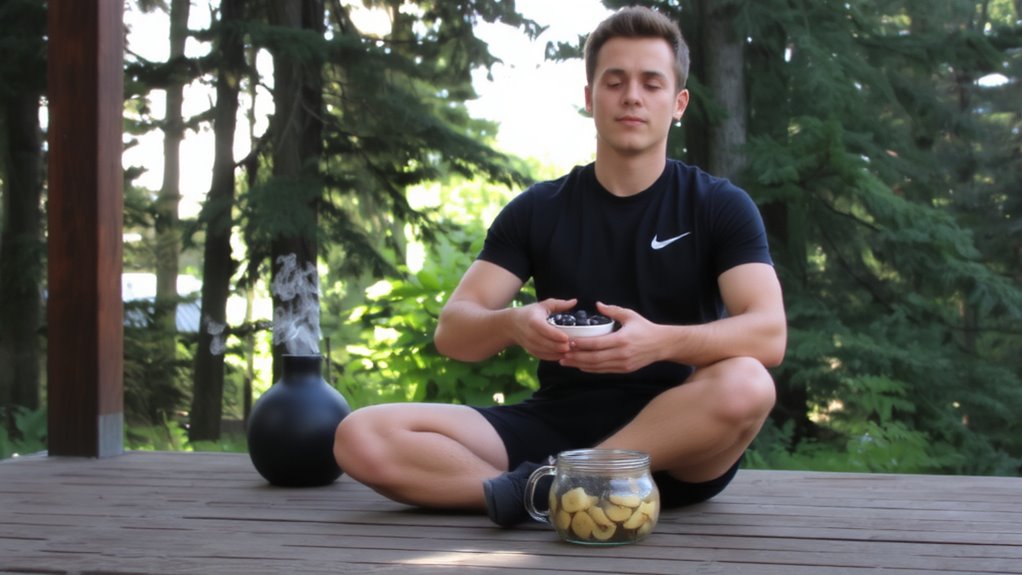
Pause for a moment and consider how your relationship with food might be shaping your mental recovery as much as your training plan. Mindful eating strengthens emotional awareness, helping you recognize when hunger, stress, or fatigue drive your food decisions. By slowing down and tuning into physical cues, you begin making intuitive choices that support both performance and psychological balance. This practice reduces impulsive eating, especially after intense training, and fosters a healthier mindset around fueling. Athletes who eat mindfully often report lower anxiety and improved mood regulation, essential for mental recovery. Unlike quick-fix nutrition trends, this approach emphasizes long-term self-regulation, aligning eating behaviors with actual physiological needs. When you consistently make space for presence during meals, you’re not just feeding your body-you’re reinforcing recovery from the inside out.
Daily Mindful Eating Habits for Athlete Recovery
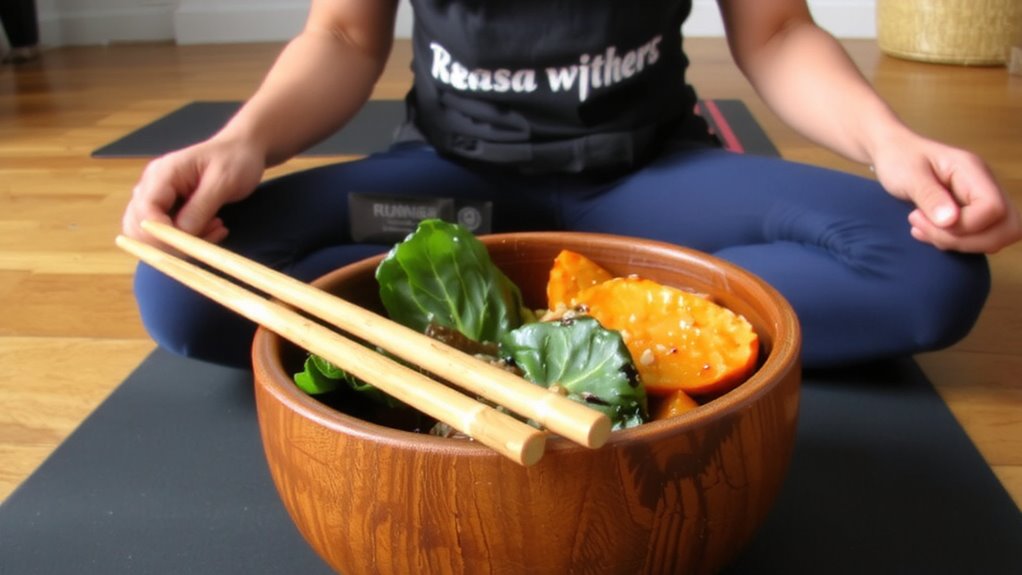
You’ve seen how tuning into your hunger and emotional triggers can reshape your mental recovery-now it’s time to build daily habits that turn awareness into action. Consistent meal timing stabilizes mood and energy, supporting both physical and mental recovery. Pair this with food journaling to track not just nutrients, but how meals affect your focus and emotional state. Over time, patterns emerge-maybe afternoon fatigue follows skipped breakfasts, or irritability spikes after processed lunches. Use these insights to refine your approach.
| Habit | Purpose | Performance Benefit |
|---|---|---|
| Eat every 3–4 hours | Regulates blood sugar | Sustained mental clarity |
| Journal before meals | Increases intentionality | Reduces emotional eating |
| Hydrate with meals | Supports digestion | Enhances nutrient uptake |
| Pause for 2 deep breaths | Triggers mindfulness | Improves meal satisfaction |
Food journaling doesn’t need to be tedious-brief notes work. Combined with smart meal timing, it’s a simple yet powerful tool.
What Science Says About Mindful Eating and Resilience
Because mental resilience plays a critical role in athletic recovery, researchers have increasingly focused on how mindful eating influences psychological adaptability under stress. You’re not just fueling your body-you’re shaping your brain’s response to pressure. Studies show that mindful eating supports emotional regulation by reducing impulsive reactions to food and mood. When you eat with awareness, you give your nervous system time to signal fullness and satisfaction, which lowers cortisol levels over time. That calm doesn’t just stay at the table-it carries into training and competition. Emerging evidence also links mindful eating to a healthier gut microbiome, which communicates directly with your brain via the gut-brain axis. A balanced microbiome is tied to reduced anxiety and improved mood, both key to resilience. While the gear you use-like recovery trackers or hydration tools-matters, so does how you approach meals. Mindful eating isn’t a supplement; it’s a behavioral tool backed by science to strengthen mental recovery from within.
Real Athlete Strategies: Turning Meals Into Mental Recovery Rituals
How do elite athletes transform something as routine as eating into a deliberate recovery practice? You treat meals as mental reset points, not just fuel stops. By aligning meal timing with training windows-like consuming protein-rich foods within 45 minutes post-workout-you optimize both physical and mental recovery. This consistency calms the nervous system, reinforcing a rhythm your brain learns to trust. Portion awareness plays a key role; overeating causes sluggishness, while undereating increases stress. Athletes use visual cues or mindful plating to stay balanced, avoiding the mental fog that disrupts focus. You’re not just feeding muscles-you’re signaling safety to your brain. Over time, this structured, present approach turns eating into a daily ritual of self-regulation, building psychological resilience as much as physical stamina. It’s precision recovery, using food as both data and discipline.
On a final note
You’re using mindful eating not just to fuel recovery, but to rebuild mental resilience after intense performance. It’s more than awareness-it’s a structured practice aligning nutrition with psychological healing. Studies confirm its role in reducing stress-induced eating and improving emotional regulation. When you treat meals as recovery rituals, you enhance both metabolic and mental restoration. This approach complements high-end fitness gear by optimizing internal recovery, proving that peak performance relies as much on mindfulness as it does on physical tools and training precision.