Strategies for Enhancing Immune System Function Through Exercise-Induced Stress Adaptation
You boost your immune system by embracing exercise-induced stress the right way. Moderate activity-like 30 to 60 minutes of brisk walking most days-enhances immune cell circulation without overloading your body. Mixing cardio and strength training reduces chronic inflammation and builds immune resilience, while timely recovery with protein, antioxidants, and tools like foam rollers helps restore balance. Don’t overlook sleep and stress control-these shape how well your body adapts. Ideal immune gains come from consistency, not extremes, and what you do after exercise matters just as much as the workout itself.
Notable Insights
- Moderate exercise lasting 30–60 minutes daily enhances immune surveillance and circulation of protective cells.
- Combining cardio and strength training reduces chronic inflammation and supports long-term immune resilience.
- Limiting high-intensity workouts prevents temporary immune suppression and minimizes overtraining risks.
- Post-exercise nutrition with protein and antioxidants aids recovery and reduces exercise-induced inflammation.
- Prioritizing sleep and stress management aligns circadian rhythms and supports immune cell regeneration after exercise.
How Exercise Strengthens the Immune System
While it might not seem obvious at first, the link between regular physical activity and a stronger immune system is both well-documented and biologically significant. You trigger beneficial immune modulation each time you exercise, especially when adjusting exercise intensity to match your fitness level. Moderate activity enhances circulation of immune cells, improving surveillance and pathogen response. High-intensity workouts, while effective, require proper recovery to avoid temporary suppression. That’s where fitness recovery tools-like foam rollers, compression gear, and quality sleep-come into play. They help regulate inflammation and restore balance. Your consistent use of appropriate fitness gear supports this process, making adaptation more efficient. Without such support, even well-intentioned routines can backfire. Utilizing the right best recovery bands can further accelerate muscle recovery and reduce inflammation post-exercise. Ultimately, it’s not just movement alone, but how you manage stress and regeneration that determines immune outcomes. You’re not just training your muscles-you’re training your immunity.
How Much Exercise Boosts Immunity
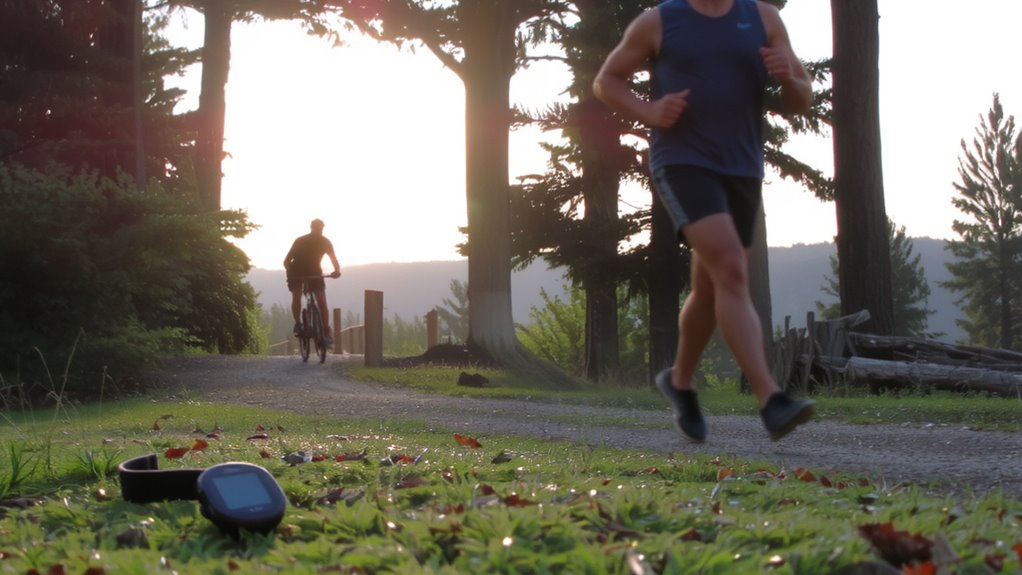
How much exercise does it really take to give your immunity a meaningful boost? Not as much as you might think-just 30 to 60 minutes of moderate activity most days can enhance immune surveillance. This ideal exercise duration aligns with public health guidelines and supports consistent adaptation without strain. You don’t need marathon sessions; brisk walks, light cycling, or bodyweight circuits work well. But be cautious-going too long or too hard increases overtraining risks, which can suppress immune function and raise inflammation. Extended, intense workouts without recovery may do more harm than good. The key is consistency and balance. Listening to your body helps maintain the sweet spot between effective stimulation and excessive stress. Recovery isn’t passive-it’s part of the process. While fitness gear like heart rate monitors can help track effort, the best tool is awareness. Moderate effort, regular timing, and smart recovery shape lasting immune resilience.
Mix Cardio and Strength for Immune Defense
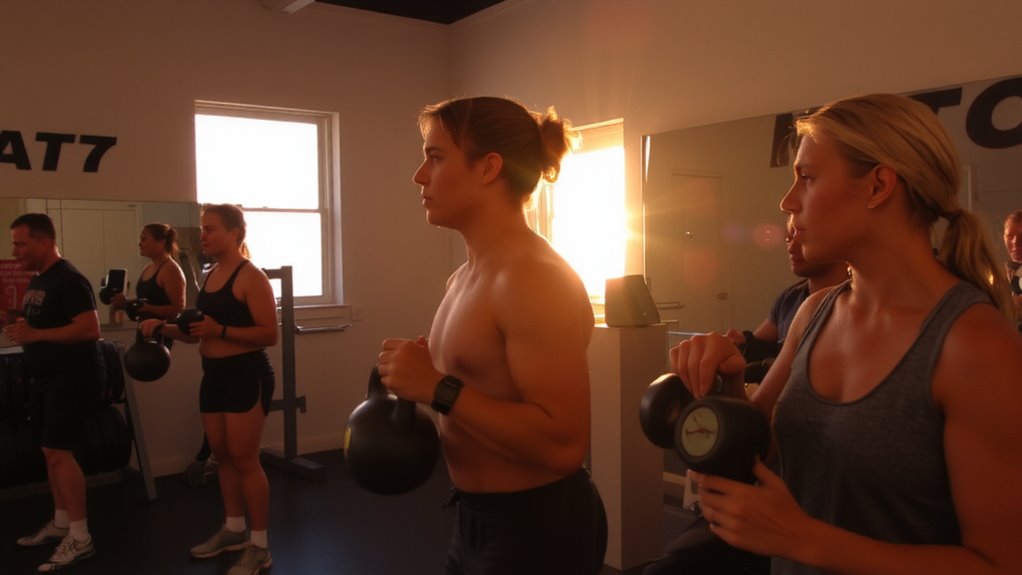
A balanced fitness routine acts as a cornerstone for robust immune defense, and combining cardio with strength training delivers a synergistic effect that neither can achieve alone. When you engage in both aerobic exercises-like brisk walking or cycling-and resistance training with weights or bodyweight, you trigger exercise synergy that enhances circulation, reduces chronic inflammation, and strengthens immune surveillance. This dual approach supports immune resilience by promoting more efficient pathogen clearance and regulating immune cell distribution. You’ll notice better endurance over time, along with improved muscle integrity, both of which contribute to sustained immune readiness. Equipment like adjustable dumbbells or a quality cardio machine can streamline your workouts, ensuring consistency. As long as intensity stays moderate and routines remain balanced, this combination actively conditions your immune system without excess strain-making it a practical, science-backed strategy anyone can adopt to stay protected year-round.
Recover Right to Protect Immunity
Why do some athletes bounce back quickly while others struggle with constant fatigue or frequent colds? The answer often lies in how you manage recovery timing and immune nutrition. After intense exercise, your body enters a temporary state of immune suppression, making smart recovery essential. You need to refuel within 30–60 minutes post-workout-this window maximizes glycogen restoration and reduces inflammation. Prioritize protein and antioxidants to support immune nutrition, such as vitamin C, zinc, and omega-3s. Compression gear may help circulation, but it’s no substitute for proper timing and diet. Foam rolling and hydration help too, but without aligned recovery timing, even the best gear falls short. Utilizing targeted myofascial release tools like best recovery balls for muscle relief can enhance muscle recovery and reduce soreness. Ultimately, tech aids are secondary-consistency in post-exercise nutrition and rest intervals determines long-term immune resilience. You can’t out-supplement poor recovery habits.
How Sleep and Stress Shape Exercise’s Immune Benefits
You’ve just refueled, stretched, and done everything right post-workout, but without solid sleep and controlled stress, those immune benefits from exercise start to unravel. Poor sleep disrupts your circadian rhythm, weakening immune regulation, while chronic stress elevates cortisol levels, suppressing immune cell activity. Exercise helps only when recovery supports adaptation.
| Factor | Effect on Immune Benefit |
|---|---|
| Aligned circadian rhythm | Enhances immune coordination and recovery |
| Elevated cortisol levels | Reduces lymphocyte function, increases inflammation |
| Consistent, quality sleep | Supports ideal cytokine production and cell repair |
When stress stays high or sleep is choppy, your body can’t shift into restorative modes. Even the best fitness gear won’t compensate for broken biology. You need both physical and neurological recovery-compression wear aids circulation, but only if sleep and stress management do their part. Balance these, and exercise becomes a true immune ally.
On a final note
You strengthen your immune system best when exercise stress is balanced with smart recovery. Overtraining suppresses immunity, but consistent, moderate activity enhances immune surveillance. Mixing cardio and strength training optimizes adaptation, while quality sleep and stress management amplify results. Recovery gear-like compression sleeves or foam rollers-may support circulation and muscle repair, though evidence varies. Choose gear with proven materials and ergonomic design, maintaining them properly to guarantee longevity and performance in your long-term fitness plan.