Cervical Mobility Drills With Isometric Side Bends for Neck Muscle Balance
You engage your neck safely with isometric side bends by pressing your hand gently against your head-no movement, just resistance. Use about 30% effort to strengthen the upper traps and levator scapulae without straining joints. Avoid common mistakes like leaning forward or holding your breath, which worsen imbalances. Done correctly, these drills improve muscle symmetry and cervical alignment. They fit easily into daily routines, especially after long sits or before physical demands on posture-consistency here reshapes long-term neck health.
Notable Insights
- Perform isometric neck side bends daily to promote balanced strength in the sternocleidomastoid and upper trapezius muscles.
- Apply gentle hand resistance to the head during side bends without allowing actual movement for safe, effective activation.
- Maintain a tall spine and relaxed jaw to ensure proper alignment and reduce cervical joint strain.
- Complete 15–20 second holds on each side, 2–3 rounds with 30 seconds rest, 4–5 times weekly for optimal muscle endurance.
- Integrate drills into morning or post-sedentary routines to improve joint lubrication, posture, and neuromuscular control.
How to Do Isometric Neck Side Bends Safely
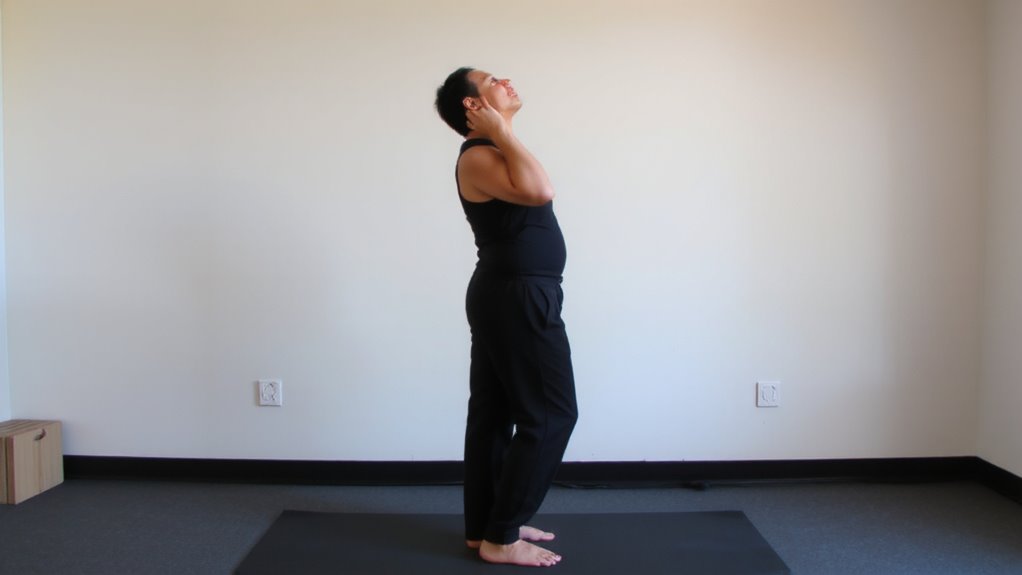
While building strength and stability in the neck requires careful attention to form, isometric neck side bends can be a smart addition to your recovery routine when done correctly. You gently press your hand against the side of your head, resisting motion while engaging the upper trapezius and levator scapulae. This builds endurance without joint strain, supporting neck alignment and encouraging muscle symmetry. Keep your spine tall, jaw relaxed, and avoid leaning forward-proper posture guarantees targeted activation and minimizes compensation. Perform each side evenly to prevent imbalances; consistent resistance, around 30% of max effort, yields better results over time. Ideal for post-workout or rehabilitation, these drills pair well with soft foam rollers and posture-correcting chairs that reinforce neutral positioning. When incorporated thoughtfully, isometric side bends enhance cervical control, reduce asymmetrical strain, and prepare your neck for more dynamic mobility work down the line-all with minimal equipment and low injury risk. Using a neck decompression device can further support cervical alignment and complement these exercises by relieving disc pressure between sessions.
Fix These 5 Neck Exercise Mistakes Immediately

You’ve already built a foundation with isometric neck side bends, using controlled resistance to strengthen the upper trapezius and levator scapulae without stressing the joints. But if you’re pushing too hard or moving incorrectly, you’re risking neck strain and worsening muscle asymmetry. First, avoid jerky motions-smooth, slow effort guarantees balanced activation. Second, don’t neglect both sides; skipping left or right reps promotes imbalance. Third, never hunch your shoulders during the drill-they should stay down and relaxed. Fourth, using excessive resistance, especially with bands or hands, overloads the cervical spine. Finally, holding your breath increases tension. These mistakes undercut the drill’s benefits and compromise recovery. Correct form guarantees symmetrical strength, joint safety, and neuromuscular control. Fixing them isn’t optional-it’s essential for sustainable neck health and peak performance in mobility work. Choosing proper support like a best cervical pillow can further enhance recovery by maintaining spinal alignment during rest.
How These Drills Fix Posture and Reduce Pain
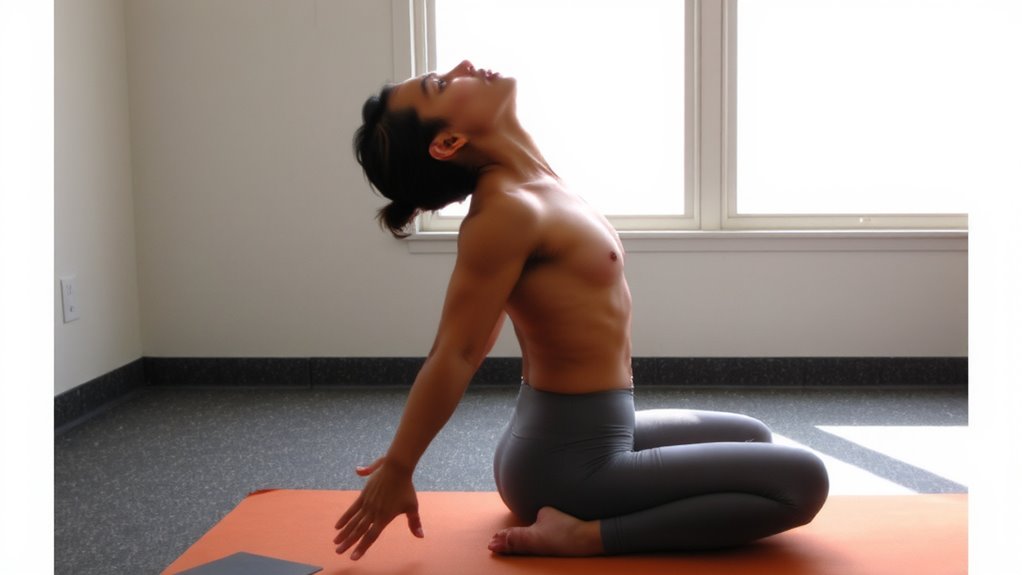
Since poor cervical alignment often stems from muscular imbalances and prolonged joint stiffness, incorporating targeted mobility drills can actively correct postural deviations by restoring range of motion and promoting symmetrical strength. You’ll notice improvements in muscle symmetry as these drills engage underused neck stabilizers while calming overactive, tight muscles. Proper form guarantees joint centration, reducing compressive forces on cervical vertebrae. Over time, consistent practice enhances nerve alignment, which may alleviate referred pain and tingling in the shoulders or arms. These drills don’t just loosen stiff tissues-they retrain movement patterns compromised by sitting and forward head posture. You’re not just chasing flexibility; you’re rebuilding neuromuscular control. Think of it as maintenance for spinal health, where precision beats intensity. Unlike aggressive stretches or unguided exercises, these drills emphasize controlled loading, which supports long-term joint integrity and reduces the risk of re-injury. Pairing these drills with proper sleep ergonomics, such as using a best cervical pillow, can further support neck alignment and enhance recovery.
Build Stronger Sides of Your Neck (No Equipment Needed)
Strengthening the sides of your neck doesn’t require cables or pulleys-just your body and consistent effort. Building neck strength this way improves muscle symmetry, which supports posture and reduces imbalances from daily asymmetrical movements. Isometric side bends are effective because they engage the sternocleidomastoid and upper trapezius without equipment.
| Exercise | Duration (sec) |
|---|---|
| Left-side hold | 15–20 |
| Right-side hold | 15–20 |
| Repeat rounds | 2–3 |
| Rest between | 30 |
| Weekly frequency | 4–5 |
Perform these drills seated or standing, pressing your hand gently against your temple-don’t move your head. Resistance builds tension, stimulating strength gains. This method’s simplicity guarantees adherence, and its low risk supports long-term use. Achieving balanced muscle symmetry enhances joint stability and contributes to overall neck strength. No special gear is needed, eliminating barriers to entry while delivering measurable improvements in structural balance and resilience over time.
When to Do Neck Mobility Drills for Best Results
When should you perform neck mobility drills to maximize their benefits? For ideal timing benefits, do them daily-preferably in the morning or after long periods of inactivity. These drills prep your cervical spine for movement, counteracting stiffness from poor posture or desk work. You’ll see the best results with consistent practice, even if sessions last just 5–7 minutes. Incorporating them into a morning routine enhances joint lubrication and neuromuscular readiness, while evening sessions can ease tension built up through the day. Avoid rushing through movements; quality trumps speed. Pair drills with breath control to improve tissue response. Though fitness recovery tools like foam rollers or massage guns may help, they don’t replace active mobility work. Stick with a disciplined schedule, and you’ll notice improved range of motion, reduced discomfort, and better neck muscle balance over time.
On a final note
You’re building smarter neck strength and mobility with these isometric side bends, and that matters for long-term posture and injury prevention. They’re low-risk, require no gear, and fit easily into daily routines. When done consistently and with proper form, they enhance muscular balance and support spinal alignment. Recovery gains compound when paired with mindful movement, making this a practical addition to any fitness regimen focused on resilience and function.