Using White Noise Machines to Stabilize Sleep Architecture and Reduce Nighttime Cortisol Spikes in Traveling Athletes
You lose sleep when traveling because jet lag disrupts your circadian rhythm, reducing deep sleep and spiking nighttime cortisol. White noise machines counter this by masking disruptive sounds and stabilizing your sleep environment, especially in hotels. Devices like the NovaBreeze S or TravelZen Pro offer portability, long battery life, and consistent sound output that supports neural alignment. This steady auditory input lowers stress responses and improves sleep efficiency. For athletes, combining white noise with fixed sleep schedules enhances recovery-there’s more to optimizing performance through sound than meets the ear.
Notable Insights
- Travel across time zones disrupts circadian rhythms, impairing sleep quality and increasing nighttime cortisol levels in athletes.
- White noise machines mask disruptive sounds, improving sleep stability and reducing arousal during sleep in unfamiliar environments.
- Consistent white noise exposure supports parasympathetic activation, lowering nighttime cortisol spikes and promoting recovery.
- Portable white noise devices with long battery life and durable designs enhance sleep continuity during frequent athlete travel.
- Using white noise within a structured sleep routine helps realign circadian rhythms and increases deep sleep duration and quality.
Why Athletes Lose Sleep When Traveling
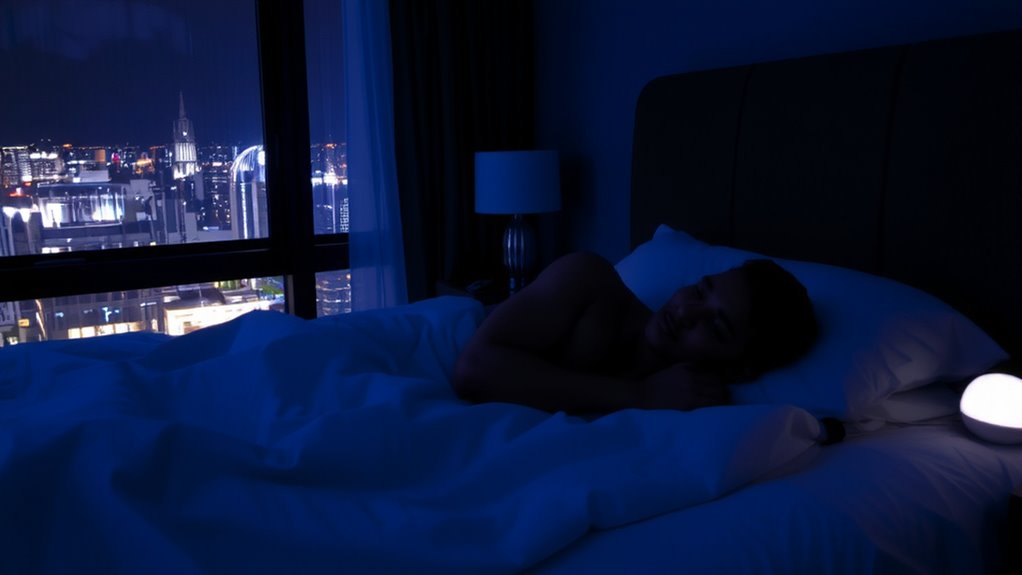
How do you maintain peak performance when your body’s clock is fighting against you? Travel throws your sleep schedule into chaos, especially when crossing time zones. You’re dealing with jet lag, a real barrier to recovery and focus. Your body’s internal rhythm-its circadian rhythm-gets thrown off, leading to circadian disruption. That means trouble falling asleep, waking too early, or spending less time in deep, restorative sleep. For athletes, this isn’t just uncomfortable; it slows muscle recovery, weakens immune response, and increases nighttime cortisol spikes. Even one night in a new environment affects sleep architecture. Your body stays on high alert, reducing sleep efficiency. Without proper rest, your physical performance drops. Recovery gadgets like sleep trackers and smart beds help monitor the damage, but they can’t fix the root cause. True sleep stabilization starts with resetting your rhythm-not just masking symptoms.
How White Noise Shields Sleep During Travel
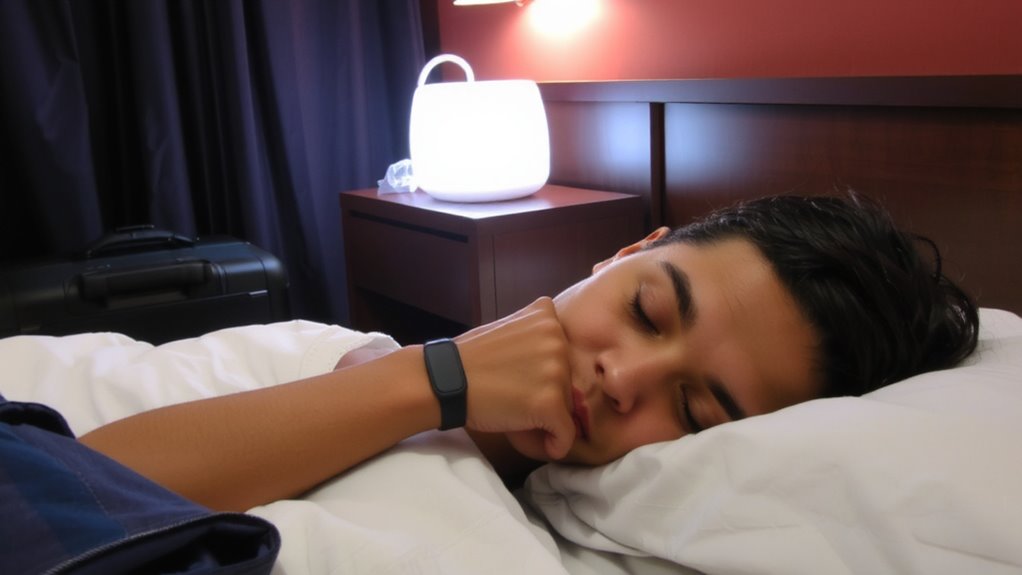
While your body struggles to adapt to unfamiliar environments, a consistent audio backdrop can act as an anchor for your sleep routine, and that’s where white noise machines come in. These devices use sound masking to block disruptive noises-like snoring roommates or street traffic-giving your brain a stable auditory signal. That stability supports brain entrainment, aligning your neural activity with a steady rhythm conducive to deep sleep. Unlike apps or phone speakers, dedicated machines offer calibrated frequency output and no interruptions. Here’s how key features compare:
| Feature | Phone App | White Noise Machine |
|---|---|---|
| Sound Masking Quality | Moderate | High |
| Battery Life | 4–6 hrs | 10–30 hrs |
| Portability | High | Medium-High |
| Frequency Consistency | Variable | Stable |
| Brain Entrainment Support | Limited | Optimized |
Travel-ready and reliable, they’re a smart gear choice for maintaining recovery sleep.
White Noise Vs. Cortisol: Calming the Body on the Road
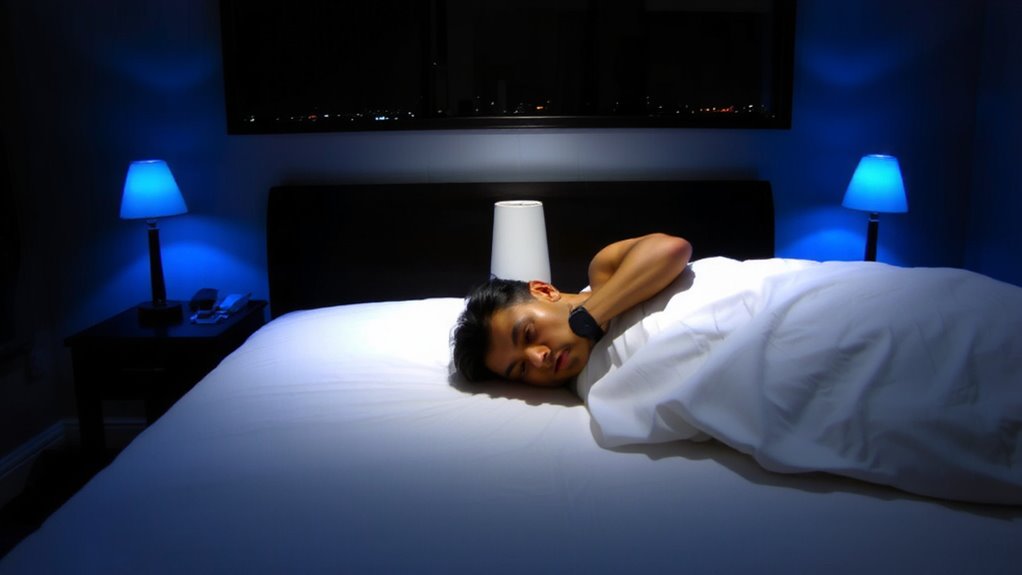
When you’re racing across time zones or stuck in a noisy hotel, your body often responds with elevated cortisol, the stress hormone that can derail recovery by keeping your nervous system on high alert. That constant buzz from traffic or hallway noise triggers your stress response, disrupting sleep phases and altering brain chemistry critical for muscle repair and alertness. But white noise acts like a buffer, drowning out erratic sounds and signaling your brain that it’s safe to relax. Studies show consistent white noise exposure lowers nighttime cortisol spikes by promoting parasympathetic dominance-the “rest and digest” state essential for recovery. It doesn’t eliminate stress, but it stabilizes your auditory environment, which your brain interprets as reduced threat. This shift helps maintain healthier brain chemistry over time, especially during extended travel. For athletes, whose recovery hinges on sleep quality, managing the stress response this way isn’t just helpful-it’s strategic. White noise becomes a tool, not a luxury.
Pick a White Noise Machine for Life on the Move
You’ve seen how white noise can keep cortisol in check and protect your sleep during travel, giving your nervous system the upper hand in recovery. When you’re on the road, your gear needs to match your demands-especially your white noise machine. A solid pick combines reliable performance with convenience. Look for models with a portable design and long battery life so you’re covered from layovers to late check-ins. These features guarantee consistent use, critical for maintaining sleep routines. Here’s how top models stack up:
| Model | Portable Design | Battery Life |
|---|---|---|
| MiniSound Go | Compact, travel pouch | 8 hours |
| SleepTune Lite | Ultra-light, clip-on | 10 hours |
| TravelZen Pro | Foldable, silicone case | 6 hours |
| NovaBreeze S | Pocket-sized | 12 hours |
| AirHush Mini | Keychain-ready | 7 hours |
Prioritize durability, size, and power efficiency for life in transit.
Use White Noise in Hotels and Shared Spaces
How do you maintain deep, restorative sleep when the walls are thin and the room next door is hosting a midnight debate? You use white noise for sound masking. In hotels and shared spaces, ambient disruptions-hallway chatter, flushing toilets, HVAC rumble-fragment sleep architecture. A compact white noise machine floods these intrusions with consistent auditory input, creating a buffer that enhances privacy enhancement. It doesn’t block sound; it masks it, raising the threshold for what wakes you. For traveling athletes, this means fewer cortisol spikes and steadier sleep cycles. Look for devices with omnidirectional speakers and adjustable frequency ranges to match room size. These features guarantee even coverage, critical in unpredictable environments. Solid-state models with no moving parts last longer and require less maintenance. When portability meets performance, sound masking becomes a non-negotiable part of recovery gear. You’re not just managing noise-you’re reclaiming control.
Boost Recovery by Combining White Noise With Sleep Habits
White noise machines do more than mask disruptive sounds-they anchor a broader recovery strategy when paired with proven sleep habits. You’re not just blocking noise; you’re building sleep consistency through routine anch relations, a key factor in optimizing recovery. When you use white noise nightly, it becomes a cue that signals your brain to wind down, reinforcing circadian rhythms. This habit, combined with fixed bed and wake times, stabilizes sleep architecture, increasing restorative deep sleep phases vital after intense training. Devices with consistent frequency output (typically 65–70 dB across 2,000–6,000 Hz) perform best in maintaining auditory masking without irritation. Over time, this synergy between environmental control and behavior enhances sleep quality more than either approach alone. It’s not just about the machine-it’s how you integrate it into a disciplined recovery protocol. The real benefit comes from repetition and precision, turning sleep into a reliable performance tool.
Pro Athletes’ Top White Noise Tips for Better Rest
A pro athlete’s recovery routine often hinges on the details that others overlook, and their approach to white noise is no exception. You’ll find many pros use high-fidelity white noise machines set to consistent 65–70 dB output, just loud enough to mask disruptive sounds without straining the ears. These devices stabilize sleep quality by maintaining uninterrupted sleep architecture, especially in noisy hotels or unfamiliar environments. They often pair them with blackout routines and consistent bedtimes to deepen rest. Travel-induced mental fatigue drops noticeably when your brain isn’t jolting awake from sudden noises. Athletes report sharper focus and faster physical recovery when they prioritize this simple addition. Unlike apps, dedicated machines offer uninterrupted playback and better sound calibration. You don’t need extra features-just reliable, steady noise. Regular cleaning and firmware updates keep units performing at peak levels. Ultimately, integrating white noise isn’t flashy, but its impact on recovery is both measurable and essential.
On a final note
You’re likely losing sleep during travel, but white noise machines offer real advantages by stabilizing sleep architecture and dampening nighttime cortisol spikes. Portable models with consistent frequency output perform well in noisy hotels. When combined with solid sleep hygiene, they support recovery. Their compact design and ease of use make them practical gear. Evidence suggests they’re more than placebo-they’re a smart addition to any athlete’s recovery toolkit. Choose wisely, use consistently.