The Impact of Heat Stress on Fitness Recovery: Understanding the Risks and Mitigation Strategies
Heat stress slows your recovery by impairing protein synthesis and prolonging inflammation, leaving muscles sore longer. Without proper cooling and hydration, your body struggles to reset, increasing fatigue and recovery time. Even the best performance gear can’t fully offset internal heat strain. You need smart cooldowns, electrolyte balance, and strategic nutrition to recover effectively. Ignoring these factors risks ongoing strain-knowing what to do next could make all the difference.
Notable Insights
- Heat stress impairs muscle recovery by disrupting protein synthesis and prolonging inflammation.
- Inadequate hydration during heat exposure reduces thermoregulation and increases cardiovascular strain.
- Persistent dizziness, elevated heart rate, or cool, clammy skin indicate incomplete heat recovery.
- Immediate cooling strategies like shade, hydration, and ice baths enhance post-exercise recovery.
- Proper timing, hydration, and nutrient-rich foods support recovery after heat training.
How Heat Slows Muscle Recovery
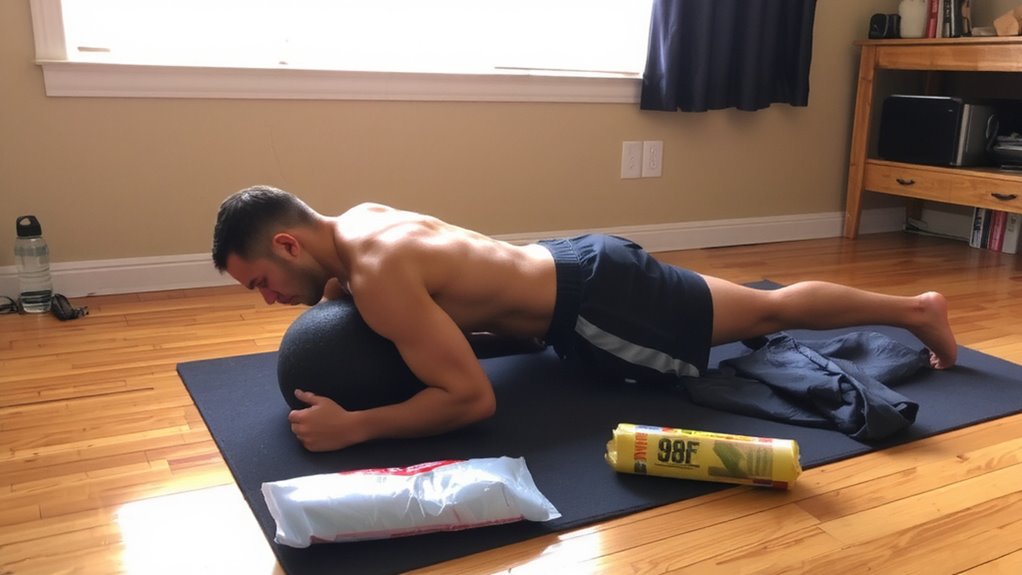
While your body relies on efficient cooling to repair strained muscles, excessive heat can interfere with recovery by disrupting normal physiological processes. You might not realize it, but elevated core temperatures impair protein synthesis, the critical mechanism your muscles depend on to rebuild after intense workouts. When heat lingers, it prolongs muscle inflammation instead of allowing it to resolve, which delays healing and increases soreness. This means your usual post-exercise routine-stretching, rest, even performance gear designed for recovery-won’t work as effectively if your body remains overheated. Even advanced recovery wear that promotes circulation can’t fully compensate for internal heat stress. Without proper thermal regulation, your recovery window extends, undermining training gains. Smart recovery isn’t just about what gear you use-it’s about managing your environment. Letting your body cool properly guarantees inflammation subsides and protein synthesis functions at peak efficiency, so you bounce back stronger, faster.
Why Hydration Is Critical for Heat Recovery
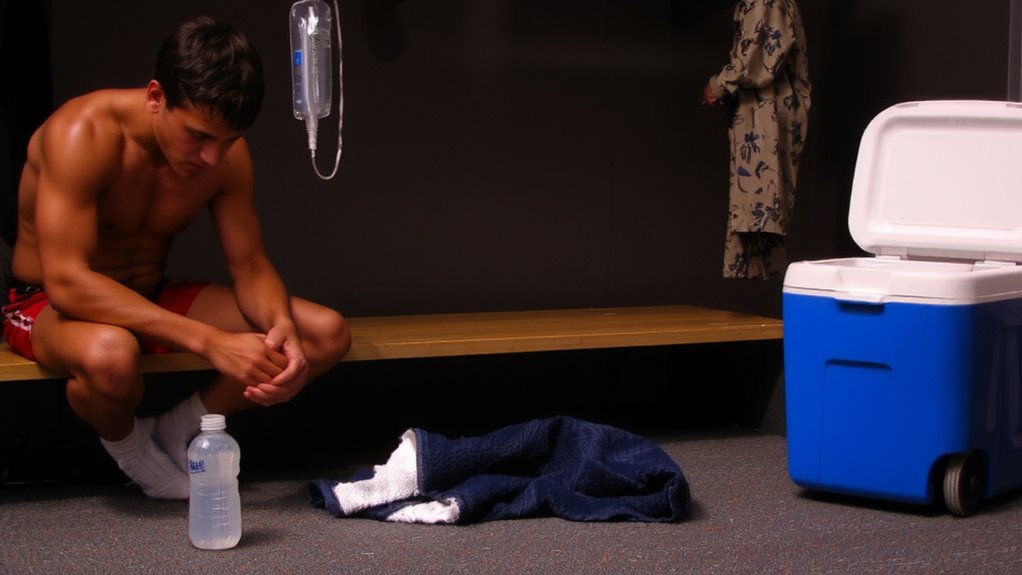
Staying properly hydrated isn’t just about quenching thirst-it’s a foundational part of how your body handles heat stress and recovers from intense physical effort. When you sweat heavily, you lose fluids and essential electrolytes, increasing your risk of electrolyte imbalance, which can impair muscle function and delay recovery. Without enough water, your body struggles with thermoregulation failure, making it harder to cool down and return to baseline after exercise. This strains your cardiovascular system and reduces your recovery efficiency. You need consistent fluid intake before, during, and after activity-not just when you feel thirsty. Drinking water is important, but replenishing sodium, potassium, and magnesium is often necessary too, especially during prolonged or repeated exposure to heat. Ignoring hydration undermines fitness gear performance, no matter how advanced, because your body’s internal systems are the real foundation of recovery.
Signs You’re Not Recovering From Heat Stress

How do you know when your body’s not bouncing back after heat exposure? You might still feel dizzy, nauseous, or overly fatigued hours later-clear heat exhaustion symptoms that suggest recovery’s lagging. Your heart rate stays elevated at rest, a key sign of lingering cardiovascular strain indicators. You’re probably not sweating as much, or your sweat feels cool and clammy, which means your body’s struggling to regulate temperature. Maybe you’re irritable or confused, or your muscles remain sore far longer than usual. These aren’t just discomforts-they’re red flags your system hasn’t reset. Ignoring them risks deeper strain, especially if you’re logging frequent workouts in hot conditions. Recovery isn’t just about rest; it’s about physiological balance. If these signs persist beyond a few hours, your body’s clearly signaling incomplete recovery, demanding more than just time-it needs support, like proper cooling, electrolyte replenishment, and possibly reassessment of your gear’s breathability and fit.
How to Cool Down After a Hot Workout
Why do some athletes bounce back quickly after a scorching run while others struggle just to normalize their breathing? The difference often lies in how effectively you manage post-workout cooling. After intense heat exposure, your body needs rapid thermoregulation to kickstart recovery. Immediate shade resting helps-you’re reducing external heat load while letting your core temperature drop naturally. Pair that with hydration and light stretching for ideal results. For serious recovery, many turn to ice baths, which constrict blood vessels and flush out metabolic waste, though they’re not always necessary for moderate efforts. While fitness gear like moisture-wicking apparel aids comfort, it won’t replace smart cooldown practices. Prioritize shade resting first, then consider ice baths if you’ve pushed your limits. These methods aren’t just about comfort-they’re proven ways to support physiological recovery and prepare your body for the next challenge.
When to Work Out in Extreme Heat (Without Burning Out)
Choosing the right time to train in extreme heat can make or break your recovery, even if you’ve nailed your cooldown routine. Early morning workouts let you harness lower temperatures and conserve energy, which supports better performance and less thermal strain. Pair this with smart gear-lightweight, moisture-wicking fabrics-and you’re setting up for effective heat adaptation. Evening cooldown routines are just as critical, helping your body shift post-exertion while temperatures are still elevated.
| Time of Day | Pros | Cons |
|---|---|---|
| Early morning | Lower temps, reduced UV, better recovery | May limit hydration access initially |
| Midday | Peak daylight, consistent energy | High heat stress, dehydration risk |
| Late afternoon | Higher body temp efficiency | Heat accumulation, longer recovery |
| Evening | Cooler after peak heat, mental relaxation | Needs strong cooldown routines |
| Night | Lowest ambient temperature | Poor visibility, safety concerns |
Choose wisely to avoid burnout.
How Poor Sleep Sabotages Heat Recovery
Ever wonder why your recovery seems to crumble despite nailing your post-workout cooldown or wearing high-performance, moisture-wicking gear? The culprit might be your sleep quality. When you skimp on rest, especially after exercising in the heat, your body struggles to regulate temperature and repair tissues. Poor sleep disrupts the release of key recovery hormones like growth hormone and cortisol, both critical for muscle repair and immune function. Even if your fitness gear manages sweat efficiently, it can’t compensate for internal imbalances caused by sleep deprivation. Your body needs deep, uninterrupted sleep to restore homeostasis after heat stress. Without it, inflammation increases and performance declines. You might feel recovered, but physiologically, you’re behind. Prioritizing consistent, high-quality sleep isn’t just supportive-it’s essential for effective heat recovery. Skimp on it, and even the smartest training and best apparel won’t save you.
Eat These 5 Foods to Recover Faster in Hot Weather
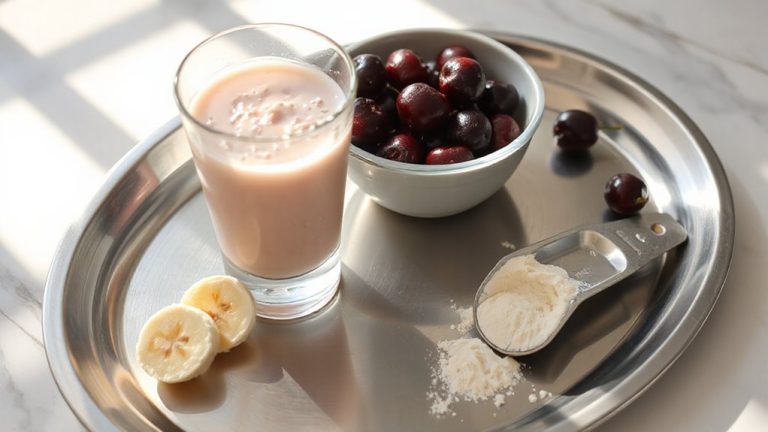
You’re probably already paying attention to your sleep, knowing how much it affects your body’s ability to bounce back after heat exposure, but what you eat plays just as strong a role in recovery. Rebuilding electrolyte balance post-exercise is critical, especially in hot weather when sweat depletes sodium, potassium, and magnesium. Proper nutrient timing-consuming key foods within 30 to 60 minutes after activity-boosts replenishment and muscle repair. Prioritize water-rich fruits like watermelon, which offers hydration and L-citrulline to ease fatigue. Bananas deliver potassium and fast-acting carbs. Yogurt provides protein and probiotics, supporting digestion under heat stress. Coconut water naturally restores electrolytes without artificial additives. Finally, lean turkey offers high-quality protein and sodium to aid fluid retention. Together, these foods optimize recovery by combining hydration, essential minerals, and macronutrients when your body needs them most.
On a final note
You’re more vulnerable to delayed recovery in heat, even with proper fitness gear. Elevated core temperatures slow muscle repair and increase dehydration risks, undermining your progress. Cooling down properly, staying hydrated, and prioritizing sleep are non-negotiable. Nutrient-rich foods aid physiological balance, while breathable, moisture-wicking clothing helps regulate body temperature. Ignoring recovery signs risks overtraining. Smart, science-backed habits-not just hard work-define effective, sustainable fitness in hot conditions.