Role of Stretching Techniques in Reducing Delayed Onset Muscle Soreness
You probably won’t reduce delayed onset muscle soreness (DOMS) much with stretching, despite its popularity. Static stretches before or after workouts don’t prevent or notably ease DOMS, according to research. While they support flexibility and feel soothing, they don’t boost blood flow like active recovery or foam rolling. Dynamic warmups prepare your muscles better pre-exercise. If you’re serious about recovery, other methods outperform stretching-there’s more to explore on what actually works.
Notable Insights
- Stretching provides minimal relief from DOMS once muscle soreness has developed.
- Pre-workout static stretching does not prevent DOMS or reduce post-exercise soreness.
- Post-workout stretching offers limited benefits in accelerating DOMS recovery.
- Dynamic warmups are more effective than static stretching for reducing later soreness.
- Stretching combined with foam rolling and active recovery enhances perceived relief from DOMS.
What Is Delayed Onset Muscle Soreness (DOMS)?
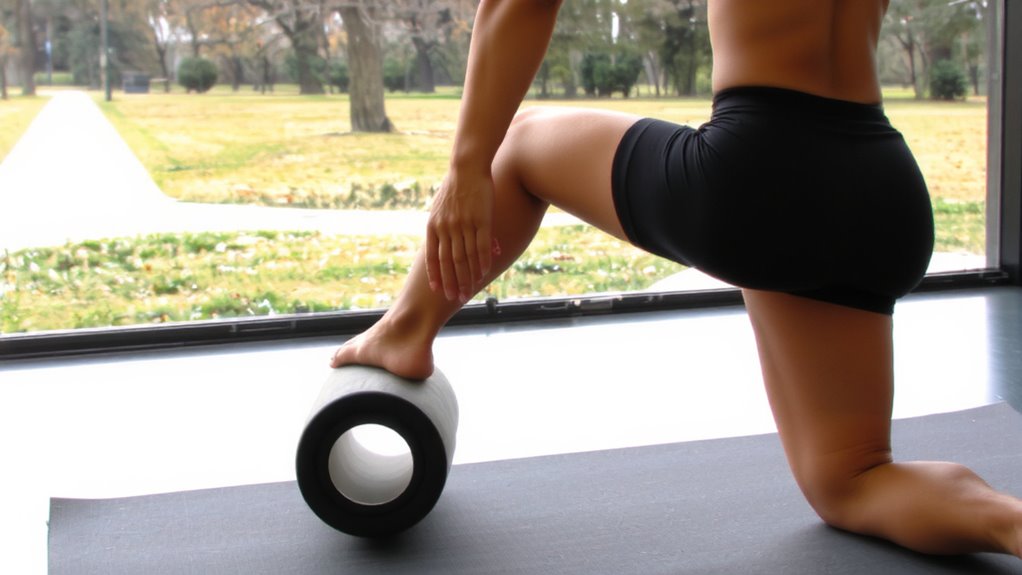
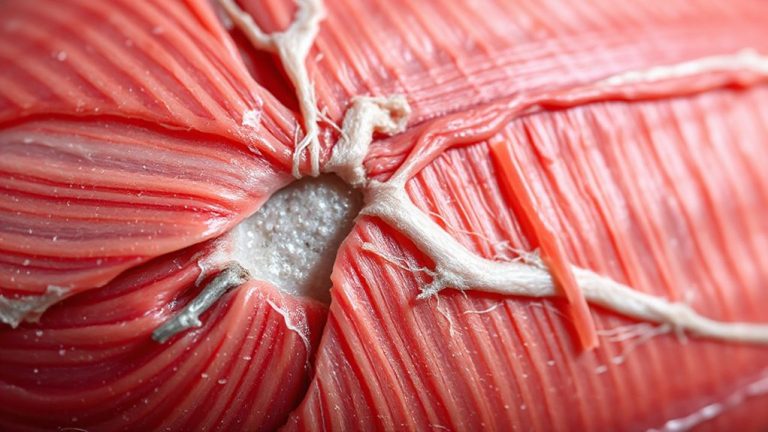
Why do your muscles feel like they’ve been through a war two days after a killer workout? That’s Delayed Onset Muscle Soreness (DOMS), a common response to unaccustomed or high exercise intensity. Microscopic muscle damage occurs during eccentric contractions, triggering inflammation and soreness peaking 24–72 hours post-exercise. You’ll notice stiffness, tenderness, and temporary strength loss-all signs of muscle fatigue as your body adapts. DOMS isn’t a measure of workout quality, but it often follows routines that push your usual limits. While mild DOMS supports adaptation, excessive soreness may hinder performance and recovery timelines. Active recovery and proper gear-like compression wear-can mitigate severity by supporting circulation and muscle stability. Though not dangerous, ignoring DOMS signals can lead to overtraining. Balancing exercise intensity with recovery tools helps maintain consistency-the real key to long-term fitness progress.
Does Stretching Reduce DOMS? Here’s What Science Says
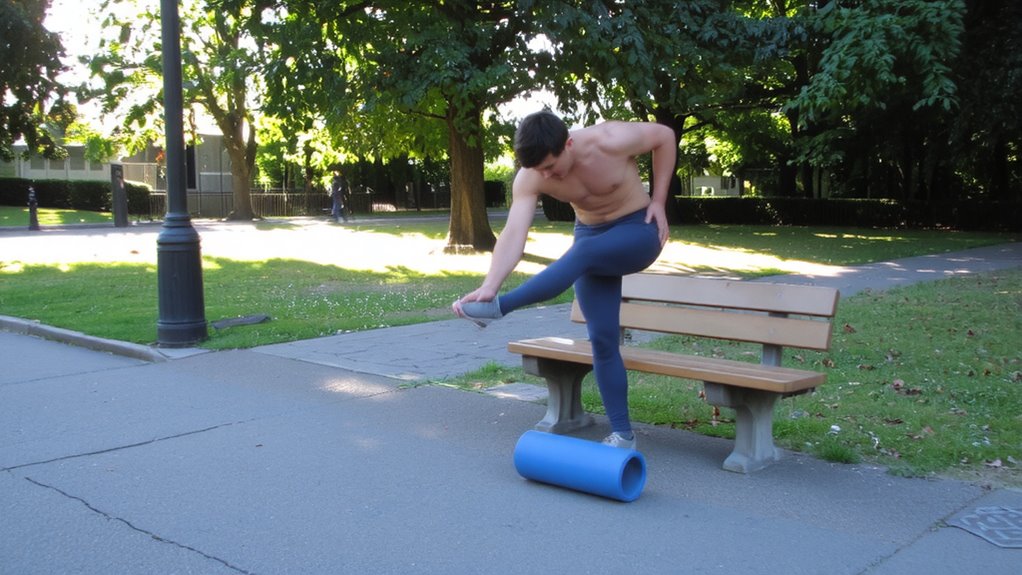
How effective is stretching when it comes to easing the ache of sore muscles after a tough session? Research shows stretching offers minimal relief from DOMS once soreness sets in. While it improves flexibility and feels soothing, studies indicate it doesn’t markedly reduce soreness intensity or speed up recovery. You’re better off turning to foam rolling, which applies targeted pressure to ease muscle tension and may slightly improve blood flow. Pair that with active recovery-like light cycling or walking-to promote circulation without overloading tired muscles. Stretching alone won’t cut it, but combined with these methods, it contributes to a more effective recovery routine. Fitness recovery isn’t just about one tool; it’s how you use them together. Foam rollers vary in density, so choose based on your tolerance, and maintain consistency. The gear helps, but execution matters most. For those considering foam rolling, selecting the right best foam rollers can enhance comfort and effectiveness during recovery sessions.
Pre-Workout Stretching: Can It Prevent Muscle Soreness?
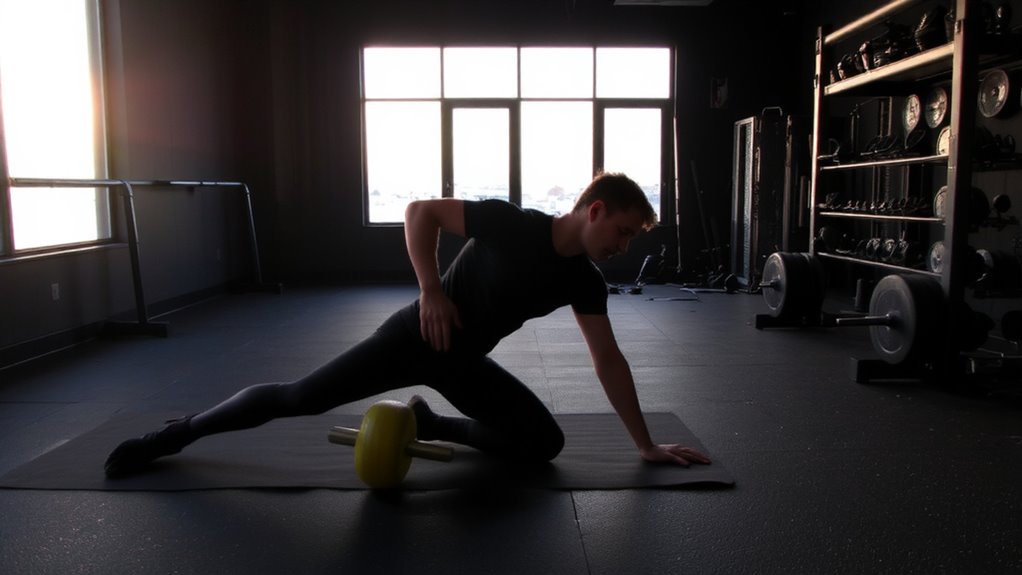
Could pre-workout stretching actually shield you from the stiffness that follows intense exercise? While traditional flexibility training like static stretching has limited impact on preventing DOMS, a proper dynamic warmup may help. Dynamic movements prime your muscles and nervous system, increasing blood flow and range of motion before activity. Unlike static holds, this approach mimics exercise demands, making it a smarter choice pre-training.
| Stretch Type | Best For Pre-Workout? |
|---|---|
| Static Stretching | No |
| Dynamic Warmup | Yes |
| Flexibility Training | Limited benefit |
Dynamic warmups enhance performance and may slightly reduce later soreness by preparing tissues for load. Though not a magic fix, they’re more effective than passive stretching. For fitness recovery, gear like foam rollers or compression wear can complement routines, but smart warmups remain foundational.
Post-Workout Stretching: Effective for DOMS Recovery?
You just warmed up with dynamic movements to prime your body for exercise, but now the real question comes after the workout-does taking time to stretch afterward help with DOMS recovery? Research shows post-workout stretching offers minimal direct relief from soreness, though it may improve flexibility and promote relaxation. Unlike active recovery-like light cycling or walking-stretching doesn’t markedly boost blood flow to clear metabolic waste. However, when combined with muscle hydration strategies, such as proper fluid intake and electrolyte balance, it supports overall tissue health. Static stretches held for 15–30 seconds can complement cooldown routines, but they shouldn’t replace proven recovery methods. Fitness gear like foam rollers may enhance the effect by aiding myofascial release. While stretching alone won’t speed DOMS recovery much, integrating it into a broader recovery plan helps maintain mobility and readiness for your next session.
Other Proven Ways to Reduce DOMS When Stretching Falls Short
What if stretching barely moves the needle on your muscle soreness? You’re not alone-many find that static holds don’t fully ease DOMS. That’s where foam rolling comes in. Applying deep pressure with a foam roller helps disrupt tight fascia and boosts blood flow, offering noticeable relief within minutes of use. It’s a cost-effective, portable option you can use daily, though high-density rollers may be too intense for beginners. For deeper work, massage therapy provides targeted intervention, especially with techniques like myofascial release. Licensed therapists adapt pressure and method to your recovery needs, making it more personalized than self-rolling. While massage therapy costs more and requires scheduling, its effects often last longer. Combined, both tools complement stretching by addressing muscular adhesions and microtrauma stretching alone won’t fix. Adding vibrating foam rollers can enhance the effectiveness of self-myofascial release by combining oscillation with deep pressure.
On a final note
You’re likely stretching to ease DOMS, but evidence shows it offers minimal relief. While pre- and post-workout stretching improves flexibility and feels good, studies don’t support it as a reliable soreness reducer. Instead, active recovery, proper hydration, and sleep play larger roles. Compression gear may help slightly by improving circulation. For real recovery gains, prioritize proven methods over stretching alone. Your routine should blend effective recovery tools, not rely on stretch as a fix-all.